

Key Takeaways
- Cutting one teaspoon of salt from your diet per day could lower your systolic blood pressure by 6 points after one week.
- This reduction is comparable to that achieved with blood pressure-lowering medications.
- Following a long-term low-sodium diet can help lower blood pressure.
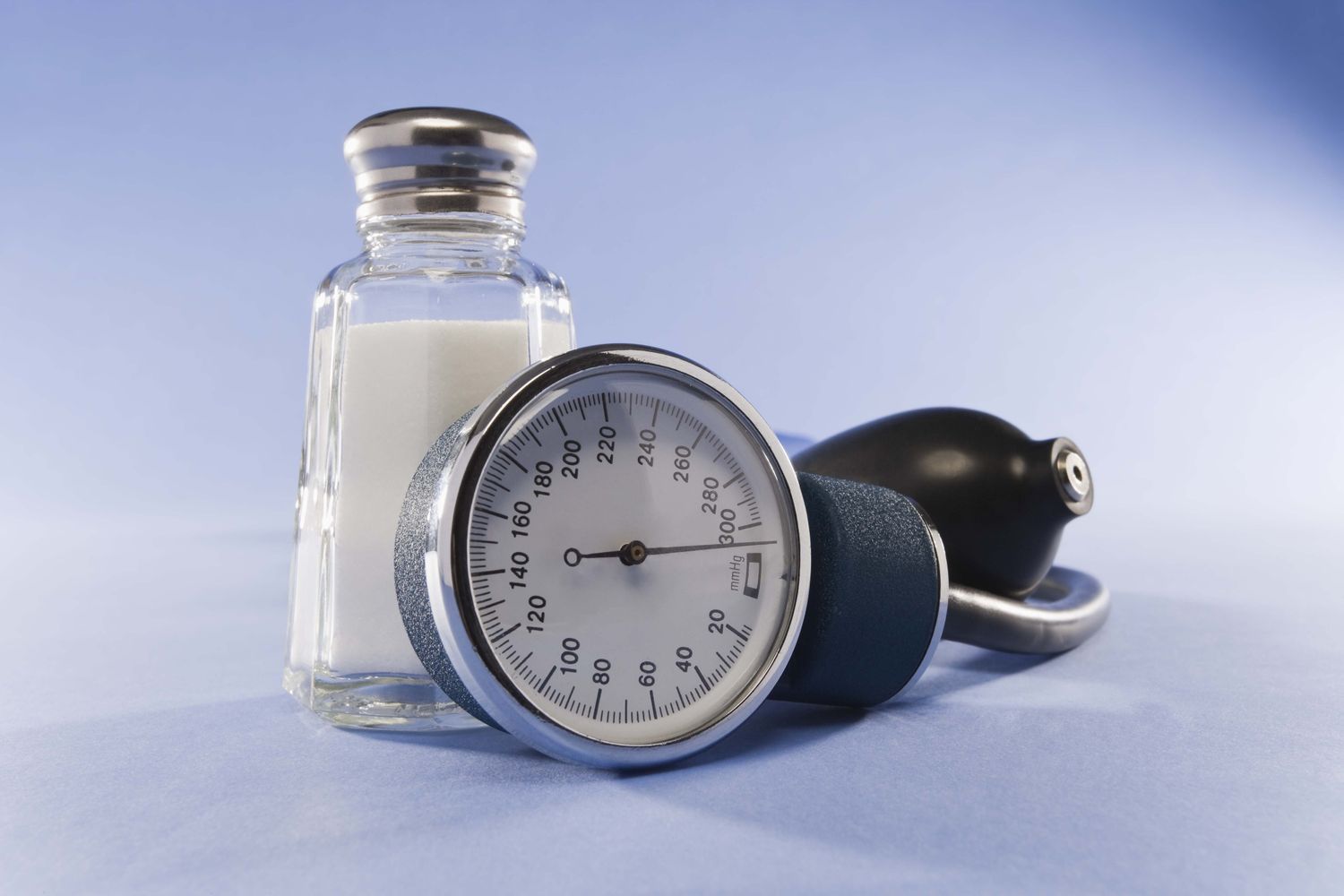
Think twice before grabbing the salt shaker at your next meal if you have high blood pressure (hypertension). You may already know that salt isn’t good for your blood pressure, but did you know that cutting it out of your diet for just one week can significantly lower it?
Cutting Salt For a Week Lowers Blood Pressure
Cutting your salt intake for just one week may lower your blood pressure to a similar degree as common blood pressure medications. (But that doesn’t mean you should stop taking blood pressure medication unless directed by a healthcare provider.)
In one 2023 study, older adults were asked to eat a low-sodium diet, which equated to 500 milligrams (mg) of sodium per day for a week. For context, the average American consumes approximately 3,500 mg (about 1 ¾ teaspoons) of sodium every day.
Compared to their usual diet, the low-sodium diet resulted in a decline in systolic blood pressure of 6 millimeters of mercury (mmHg) or “points.” Systolic blood pressure is the top number of a blood pressure reading, which represents the pressure in your arteries when your heart beats.
To put that into perspective, that’s about the same decline in blood pressure that you’d experience with hydrochlorothiazide (e.g., Esidrix or Microzide), a common first-line blood pressure medication.
This decline was consistent for all groups, including people with:
- Normal blood pressure
- Untreated high blood pressure
- High blood pressure who were taking medication to lower it
In short, this study showed that you can lower your blood pressure in just one week by eating less salt.
How Salt Raises Blood Pressure
Table salt (sodium chloride) is made up of approximately 40% sodium and 60% chloride. The sodium in salt is responsible for its effect on blood pressure.
Sodium is an essential mineral that attracts water. If you consume too much sodium, your body will retain water. When this occurs, your blood volume increases, which puts more pressure on your blood vessel walls and therefore increases your blood pressure.
How Much Sodium Should You Eat?
You need to consume some sodium every day for your body to function properly, but not the 3,500 mg most Americans consume. Instead, adults should aim to limit their sodium intake to 2,300 mg daily, with an ideal target of less than 1,500 mg for healthy blood pressure. A healthcare provider may recommend that you consume less if you have high blood pressure.
How to Eat Less Sodium
Cutting back on salt in your diet for one week could lower your blood pressure. However, if you start eating salt again, your blood pressure will go back up. You must continue a low-sodium diet to sustain the blood pressure-lowering effects.
Keep in mind that cutting out sodium can be tricky. Table salt certainly contributes to daily sodium intake, but processed foods like deli meats, breads, frozen meals, and canned soups also contribute significant amounts of sodium.
Here are some tips for lowering your salt intake:
- Focus on eating whole foods, such as fresh fruits, vegetables, whole grains, and lean meats, rather than processed or fast foods, as they contain less sodium.
- Make meals at home, so you can better control how much salt goes into them.
- Consider replacing salt with a sodium-free alternative.
- Start reading nutrition labels, and choose low-sodium (or no-sodium) alternatives.
- Eat fewer preserved or processed foods, which tend to be high in sodium.
- Rinse canned foods, like tuna or beans, that contain sodium.
- Use herbs to add more flavor in place of salt.
Do your best to stick to your low-sodium diet for longer than a week. You may notice that your taste buds adjust, and food that tasted bland at first becomes more flavorful.
Other Lifestyle Strategies to Lower Blood Pressure
Your healthcare provider will discuss options available to you if you have high blood pressure. Medications are often recommended to lower blood pressure quickly and effectively.
Talk to a healthcare provider about the various treatment options for high blood pressure. Depending on your blood pressure level, they may prescribe medication and recommend reducing your sodium intake.
Medication and diet changes aren’t the only way to help lower high blood pressure. The following lifestyle changes can support a healthy blood pressure, too:
- Eating a balanced diet with plenty of fruits and vegetables
- Getting regular exercise
- Limiting or cutting out alcohol
- Quitting smoking
- Managing your stress levels
- Maintaining a healthy body weight
It can feel frightening to learn that you have high blood pressure. Maintaining a blood pressure of less than 120/80 mmHg can help reduce your chances of stroke, heart disease, and other cardiovascular complications.
Taking your blood pressure medication as prescribed and adopting healthy lifestyle strategies can help you get your blood pressure back on track and live a healthy life.
:max_bytes(150000):strip_icc()/headshotverwell-1334973c32f9429493c7979e6384b8ff.jpg)