

Key Takeaways
- Coconut water may lower BP in people with hypertension, but more research is needed.
- Be mindful of minerals in coconut water, such as potassium and sodium, particularly if you have a medical condition or take medications that may make your body less able to filter them.
- Research is limited, but coconut water has been studied for BP at a dose of 150 mL (about 5 ounces) daily.
Coconut water is a tropical drink marketed to boost energy and replenish electrolytes after exercise. Here’s what to know about its impact on blood pressure.
What Coconut Water Does to Your Blood Pressure
Coconut water might help control blood pressure (BP), but insufficient evidence exists to recommend it routinely.
- Animal studies: Research suggests coconut water acts like a diuretic (water pill), increasing urination and lowering BP. The results were purportedly comparable to Lasix (furosemide), without disrupting electrolyte balance.
- Human data: Only a few small studies have considered coconut water’s effects on BP in people with high blood pressure (hypertension).
- Small trial: One study with 30 adults showed that drinking young coconut water daily for a week lowered both systolic (top number) and diastolic (bottom number) BP. However, the study had methodological flaws, so the results may or may not actually translate into benefits for everyone.
- Older study: Another small trial in 28 people found a greater drop in systolic BP among those who drank coconut water compared with regular water or another tropical drink called mauby.
- Need for research: Large-scale clinical trials are needed to determine if coconut water truly impacts BP.
What Is Coconut Water?
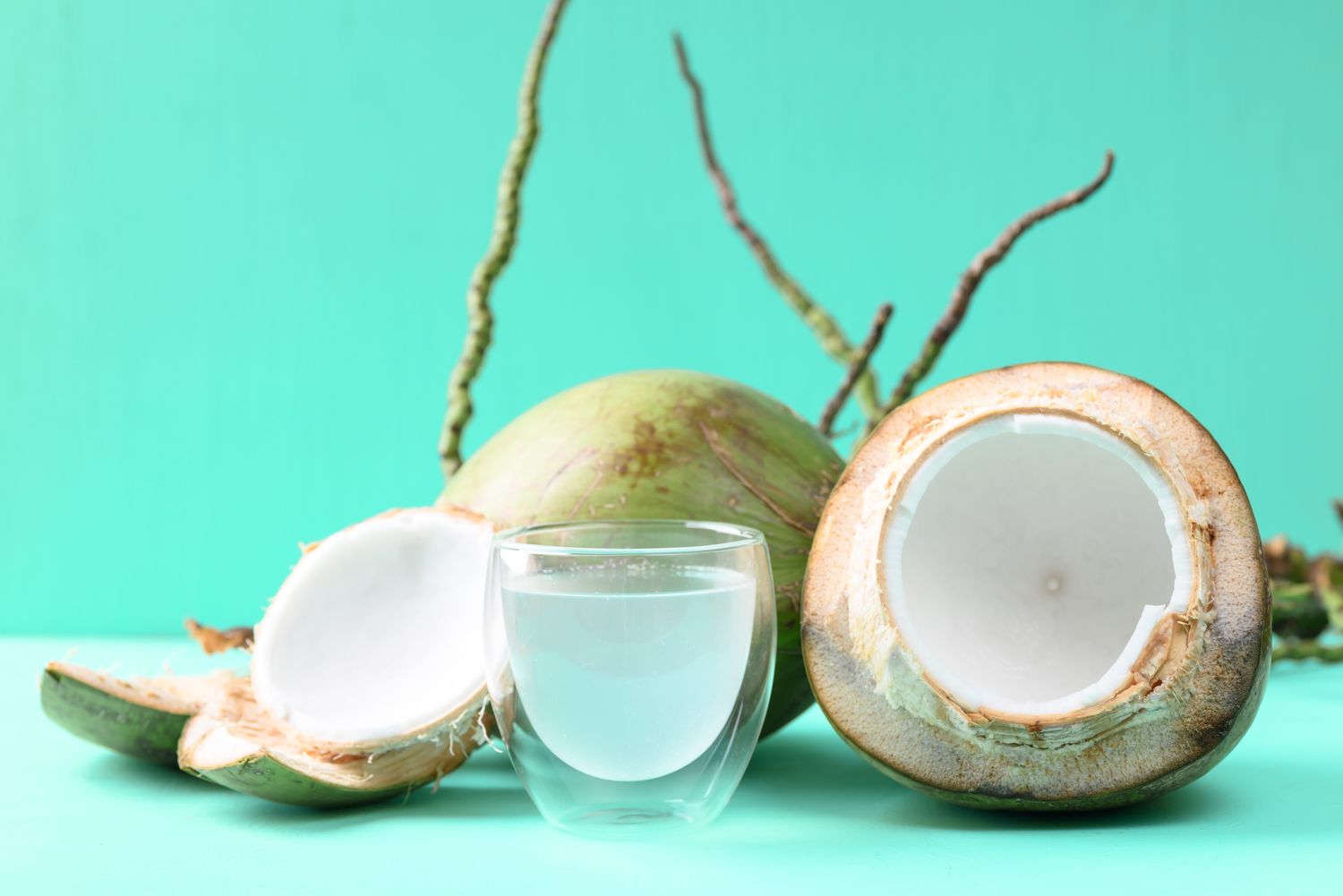
Coconut water, the clear liquid part of the tropical fruit coconut, is a popular natural beverage with a slightly sweet taste.
Coconut water is 95% water, plus the following components:
- Carbohydrates (sugars)
- Vitamins
- Minerals
- Amino acids, including lysine and glutamic acid
- Phenolic acids, including salicylic acid
Per the U.S. Department of Agriculture, one cup of coconut water contains the following macronutrients, listed along with the percent daily value (DV) for adults:
| Macronutrients in One Cup of Coconut Water | ||
|---|---|---|
| Macronutrients | Amount | % Daily Value (DV) |
| Calories | 45.6 kcal | – |
| Natural sugars | 6.26 grams (g) | – |
| Fiber | 2.64 g | 9% |
| Carbohydrates | 8.9 g | 3% |
| Protein | 1.73 g | 3% |
| Fat (Total) | 0.48 g | <1% |
| Saturated Fat | 0.42 g | 2% |
| Top Minerals in One Cup of Coconut Water | ||
|---|---|---|
| Top Minerals | Amount | % DV |
| Manganese | 0.341 milligrams (mg) | 15% |
| Magnesium | 60 mg | 19% |
| Potassium | 600 mg | 13% |
| Copper | 0.096 mg | 11% |
| Sodium | 252 mg | 11% |
| Top Vitamins in One Cup of Coconut Water | ||
|---|---|---|
| Top Vitamins | Amount | % DV |
| Riboflavin (B2) | 0.137 mg | 13% |
| Vitamin C | 5.76 mg | 6% |
| Thiamin (B1) | 0.072 mg | 6% |
| Vitamin B6 | 0.077 mg | 5% |
What Else Can Coconut Water Do for You?
In addition to potential effects on BP, coconut water is commonly used for hydration during exercise or after severe dehydration due to diarrhea.
Studies performed in animals and lab studies have evaluated coconut water for the following:
- Antioxidant
- Anti-inflammatory
- Kidney protection
- Heart protection
- Wound healing
These findings are preliminary; further study is needed to confirm these results.
How Much Coconut Water Should You Drink?
A small clinical trial used 150 milliliters (mL)—around 5 ounces—of coconut water each morning for a week for BP.
Studies have used the following dosages for other conditions:
- 2 liters (L) per day for four days for kidney stones
- 300 mL twice a day for two weeks to increase potassium levels
- 2.2 L per day to replenish fluids after exercise
- 400 mL daily for eight weeks for ulcerative colitis
Is Coconut Water Safe for Everyone?
Coconut water in normal amounts is safe for most people. However, some things to keep in mind if you decide to drink it include:
- Allergy: Avoid coconut water if you’re allergic to coconuts or any of their parts (components).
- Side effects: Coconut water contains more potassium than other sports rehydration drinks on the market. Though it’s rare, drinking large amounts of coconut water can cause high potassium levels (hyperkalemia). Serious symptoms of hyperkalemia include muscle weakness, heart problems, and paralysis.
- Medication interactions: Coconut water interacts with medicines that increase potassium levels. These include some diuretics and BP medicines in the angiotensin-converting enzyme (ACE) inhibitor class.
- Precautions: Healthy kidneys can filter out any extra potassium you ingest through urine. However, people with chronic kidney disease and other specific conditions—such as type 1 diabetes, liver disease, and congestive heart failure—may be more likely to have potassium build up in their bodies. Discuss coconut water with a healthcare provider if you have any of these conditions before drinking it.
- Shelf-life: Once opened, coconut water doesn’t keep its nutritional benefits for long and can quickly become contaminated by bacteria. Check the product label to determine if your coconut water needs refrigeration and when to throw it out.
:max_bytes(150000):strip_icc()/meganhs11-0550977a84f84b89966cf1799ce2bfb1.jpeg)