

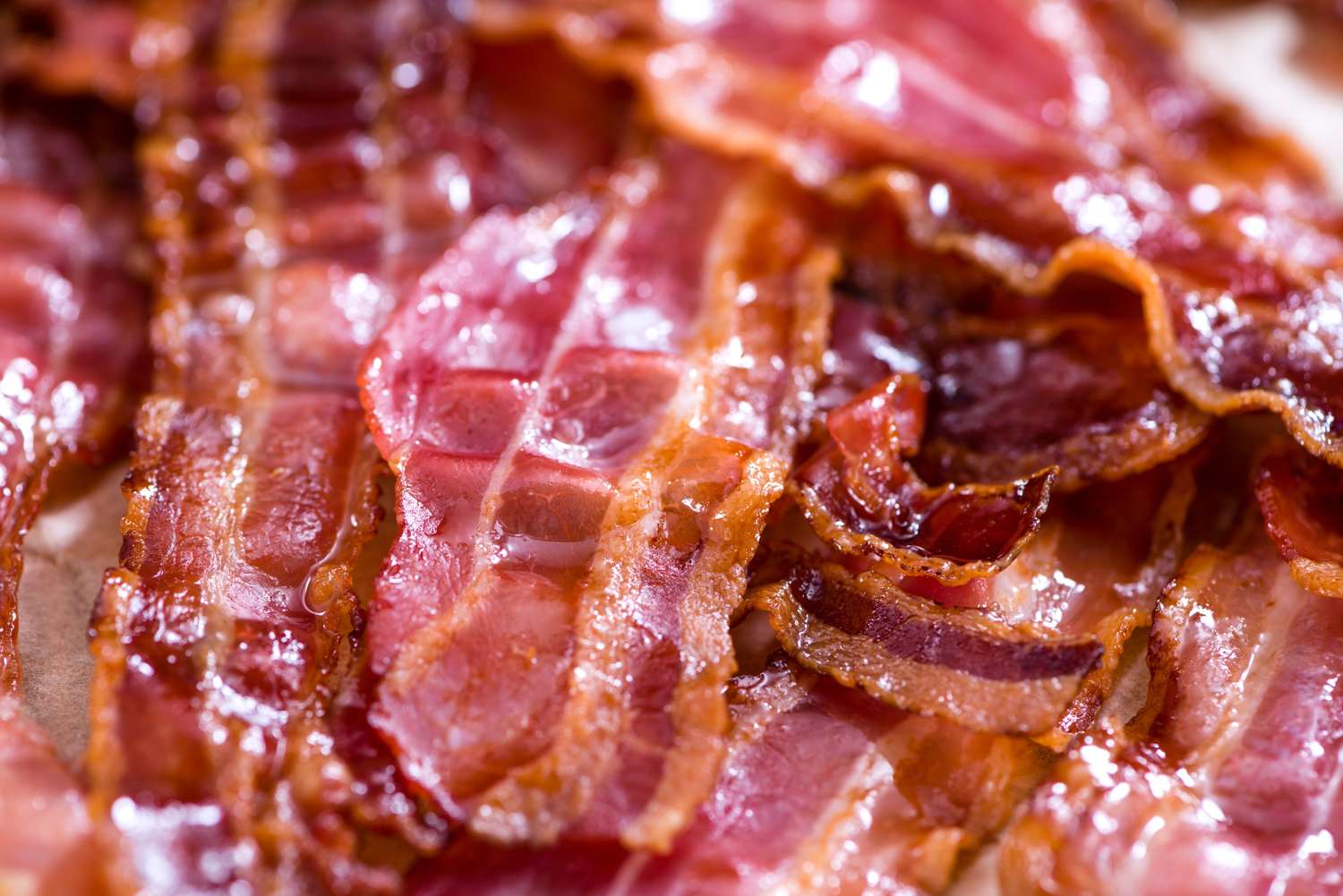
When you eat bacon regularly, its high sodium, preservatives, and saturated fat content can strain your blood vessels and make your heart work harder. The result can contribute to several noticeable health consequences, including an increase in blood pressure.
1. The High Sodium Content Can Raise Your Blood Pressure
- Bacon, like other cured meats, contributes heavily to your sodium load because of the significant amount of salt used in curing.
- Excess sodium is strongly linked to higher blood pressure, with 15% to 25% of the salt/sodium in a typical American diet coming from processed and packaged foods, such as bacon, rather than from table salt.
- Sodium causes your body to retain more water, which increases the volume of blood moving through your arteries, places extra pressure on your blood vessel walls, and raises your blood pressure.
2. Eating Bacon Regularly Can Trigger Immediate Changes in Blood Pressure
- Research indicates that consuming excessive amounts of salt at once can quickly impair the ability of blood vessels to dilate, or widen.
- Impaired blood vessel dilation can occur as early as 30 minutes after eating salty foods, leading to an immediate increase in blood pressure.
- Eating a high-salt meal leads to vasoconstriction (narrowing of blood vessels), which requires more force to push blood through, thereby increasing blood pressure.
3. Regular Bacon Consumption Can Impact Blood Pressure in the Long Term
- A review of research showed that processed meat intake was associated with a 12% increased risk of hypertension per 50-gram unit of consumption, indicating a dose-response relationship in which the risk of high blood pressure increases with higher consumption of processed meats, such as bacon.
- Eating bacon and other processed meats regularly can increase your chances of developing long-term, sustained hypertension (high blood pressure), a condition that increases your risk for a heart attack, stroke, artery damage, and other complications.
4. Preservatives in Bacon May Affect Vascular Function
- While naturally occurring nitrites and nitrates in certain foods can help reduce blood pressure, the nitrites and nitrates added to bacon to preserve color and flavor and prevent bacterial growth are linked to an increased risk of high blood pressure.
- High-heat cooking converts added nitrates and nitrites into nitrosamines, which are linked to damage to the endothelium (blood vessel lining), a condition that interferes with blood vessel dilation.
- Nitrites in bacon and other processed meats are linked to an increased risk of high blood pressure due to a synergistic effect involving nitrosamines, high sodium, and other meat compounds.
- Research indicates that higher nitrite and nitrate intake from processed meats like bacon contributes to an increase in diastolic blood pressure (the bottom/lower number of a blood pressure reading that measures the pressure your blood is pushing against your arteries between heartbeats).
5. Bacon’s High Saturated Fat Content Can Promote Arterial Damage
- While bacon contains some heart-healthy fats, such as oleic acid, its significant saturated fat content and high sodium levels work together to promote the harmful build-up of LDL cholesterol and arterial stiffening, which contribute to higher blood pressure.
- Diets high in saturated fats are less effective at supporting blood pressure control compared with diets lower in saturated fat and higher in unsaturated fats.
- Increasing your intake of saturated fat by eating bacon regularly can cause atherosclerosis (plaque to build up in your artery walls), narrowing and weakening them, which forces your heart to work harder to pump blood.
- Consuming bacon and other foods high in saturated fat regularly can trigger inflammation in the artery walls, leading to constricted arteries, increased blood flow resistance, and higher blood pressure.
6. Regular Bacon Consumption May Contribute to Weight Gain
- While the nutritional value of bacon can vary by slice thickness and cooking process, most bacon is high in calories and saturated fat, factors that can contribute to weight gain, a significant risk factor for high blood pressure.
- Research indicates that up to 78% of cases of primary hypertension (hypertension without another known cause) can be attributed to obesity.
- Having extra weight disrupts your metabolic and hormonal balance, increases the physical workload on your heart, and changes blood vessel and kidney function, all of which contribute to high blood pressure.
- The Dietary Guidelines for Americans (2020-2025) suggest that most people can consume foods higher in saturated fat or sodium without health risks, provided they are consumed in moderation and as part of an overall healthy eating pattern.
:max_bytes(150000):strip_icc()/IMG_09172-9ca0040fa5e74df0b5aac42d8125d477.jpeg)