

Key Takeaways
- Research on nettle tea’s effect on blood sugar is limited and mostly based on animal or lab studies.
- Nutrients in nettle leaves are diluted in tea, reducing their potential health benefits.
- Nettle tea may interact with medications, including those for diabetes and high blood pressure.
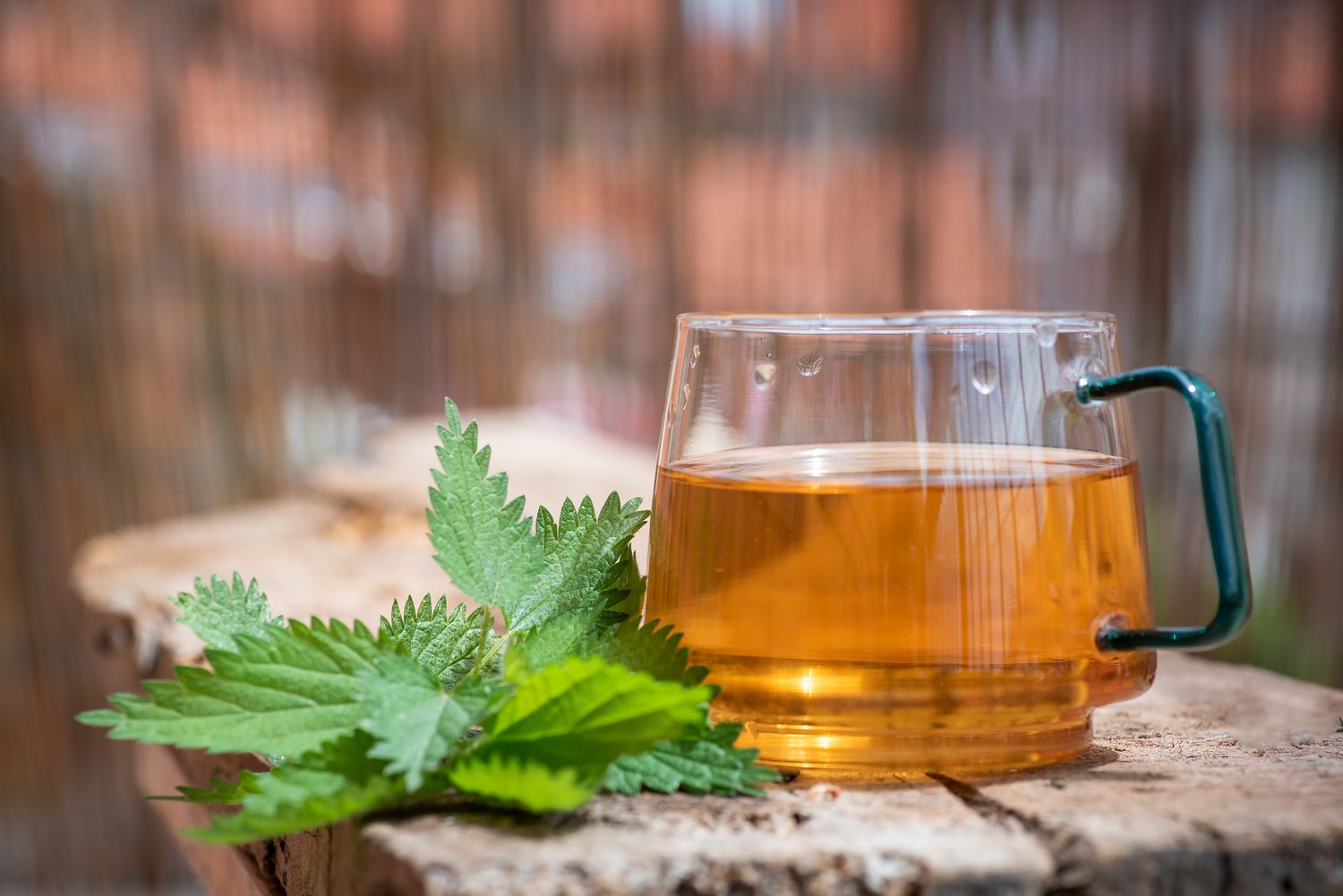
Stinging nettle is an herb used in traditional medicine to treat eczema and joint pain. Its leaves are rich in fiber, minerals, vitamins, and antioxidants. Some wellness enthusiasts swear by nettle tea for its nutritional properties and its potential to regulate blood sugar.
Although nettle leaves are high in minerals such as calcium and magnesium, the nutrients are diluted in tea, which is mostly water.
Some studies show that nettle might help reduce blood sugar, but they’re mostly conducted with lab cells or animals, not humans. The limited research makes it hard to tell whether nettle tea has real benefits in regulating blood sugar.
Many of the human studies have broadly focused on using nettle for metabolic syndrome, but they were small or had limitations and biases that affected the usefulness of the findings.
Nettle tea is generally safe for most people, but drinking it regularly might interact with certain medications, such as:
- Diabetes medications: Nettle might have additive effects on your diabetes medications, such as insulin.
- Blood pressure medications: Nettle may enhance blood pressure drugs like Zestril (lisinopril).
- Diuretics (water pills): Nettle may already act as a diuretic.
If you’re on prescription medications, consult with your healthcare provider about whether nettle tea is safe for you.
:max_bytes(150000):strip_icc()/norman-dd595cddde654266bd40199db77e316f.jpg)