

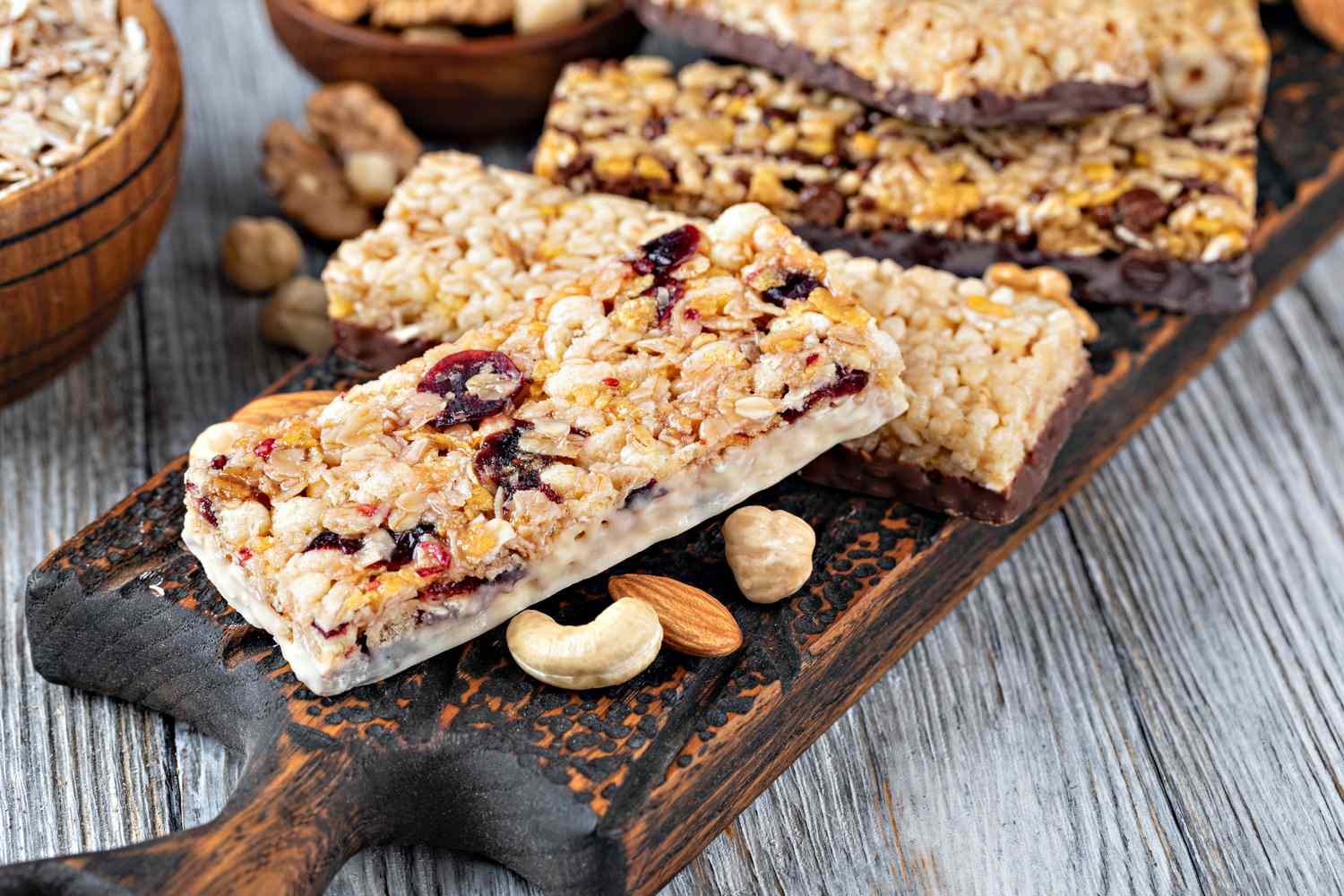
Key Takeaways
- All granola bars will raise your blood sugar, but to different degrees.
- Those with more sugar and refined carbohydrates will cause your blood sugar levels to spike more quickly.
- Granola bars with lower sugar and higher fiber, protein, and fat may cause a more gentle, sustained rise in blood sugar.
Overall, granola bars will raise your blood sugar, but the degree to which they do depends on each brand (or recipe’s) unique ingredients. Those containing more sugar and carbohydrates will spike your blood sugar more than those higher in protein and fiber.
Carbs and Sugar in Granola Bars Raise Blood Sugar
Your blood sugar reflects the amount of glucose that’s currently circulating in your blood. Having low or high blood sugar can make you feel unwell, and even be a medical emergency (especially for people with diabetes).
When you eat a granola bar, your body breaks down its carbohydrates into glucose, which then enters your bloodstream. However, a few things can affect how fast it does this:
- Refined carbohydrates, such as sugar or processed flours, break down rapidly and can cause blood sugar spikes.
- Fiber, which occurs naturally in unrefined oats, barley, and other ingredients used in granola bars, can slow down the absorption of carbohydrates, resulting in a reduced impact on blood sugar levels.
- Protein and fat from ingredients like nuts and seeds can also slow down carbohydrate absorption and stabilize your blood sugar later on.
Granola Bars Glycemic Index
The glycemic index (GI) measures the rate at which a food raises blood sugar levels. It runs on a scale of 1 to 100, with foods closer to 100 raising your blood sugar faster.
There are seemingly countless options of granola bars in stores, and the GI varies from brand to brand. Popular brands, like Chewy and Nature Valley, are estimated to have a high GI, due to their high sugar and refined carbohydrates, meaning they will probably raise your blood sugar quickly.
Homemade granola bars that are less processed and sugary are likely to have a lower GI. Ingredients like barley flakes and peanuts offer fiber and protein that help lower the overall GI.
Granola Bars Nutrition
Most commercially available granola bars contain a significant amount of sugar and other refined carbohydrates, which can raise blood sugar levels. However, fiber, fat, and protein can slow down the absorption of carbs.
Consider the nutrition facts for the following popular granola bars.
| Nutrients | Nature Valley Yogurt Coated Granola Bar | Quaker Chewy Granola Bar | KIND Fruit & Nut Bar | Quest Bar Mixed Berry |
|---|---|---|---|---|
| Calories | 140 | 98 | 210 | 200 |
| Carbohydrates | 26 g | 19 g | 14 g | 22 g |
| Sugar | 14 g | 7 g | 5 g | 2 g |
| Fiber | 1.5 g | 1 g | 3 g | 18 g |
| Protein | 2 g | 1 g | 6 g | 20 g |
| Fat | 4 g | 2 g | 16 g | 8 g |
The sugar in granola bars can vary significantly. The same is true of other nutrients that affect blood sugar: some granola bars contain virtually no protein or fiber, whereas others have plenty.
If you want a granola bar that has a milder effect on your blood sugar levels, look for options that are lower in sugar and higher in fiber, fat, and protein.
Can You Eat Granola Bars With Diabetes?
Having diabetes makes it more difficult for your body to regulate blood sugar. People with diabetes can eat granola bars, but they may want to opt for a diabetes-friendly version that contains low or no sugar and has a higher fiber and protein content.
Eating a granola bar can also help combat mild low blood sugar. However, if your blood sugar is lower than 70 milligrams per deciliter (mg/dL), it’s recommended to opt for a food or drink with less fiber (e.g., juice or glucose tablets), so that your body can use the sugar more quickly and bring your blood sugar back up to a healthy level.
:max_bytes(150000):strip_icc()/headshotverwell-1334973c32f9429493c7979e6384b8ff.jpg)