

Key Takeaways
- Your body’s response to liquid calories involves the impact of fundamental differences in the way drinks are processed compared to solid foods.
- When liquid calories become your primary source of nutrition, your body experiences reduced satiety responses, unhealthy blood sugar fluctuations, and a higher risk of type 2 diabetes.
- For optimal metabolic health, follow a diet that focuses on healthy foods as your primary source of daily calories rather than drinks.
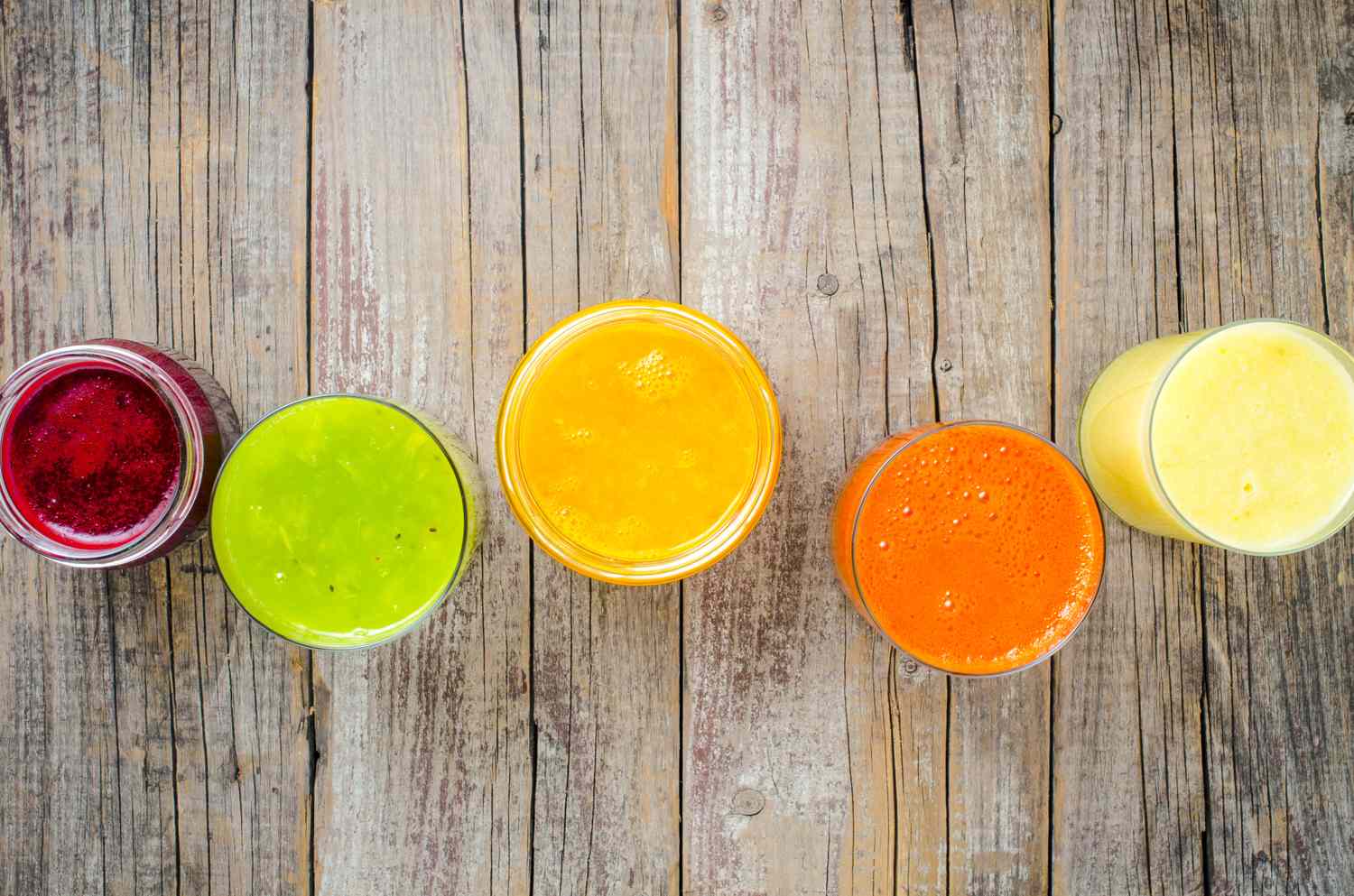
While getting most of your calories from drinks can be convenient and provide immediate satisfaction, it can adversely affect your physiology and long-term health. Consuming too many liquid calories, especially sugar-dense juices, sports drinks, and specialty coffees, can increase your risk of health problems such as high sugar intake, poor nutrition, and heart disease.
Liquid Calories May Not Fill You Up
One of the most significant problems with liquid calories is the way they contribute to poor satiety (the feeling of fullness that tells your brain to stop eating):
- Liquids tend to move through your stomach faster. They fail to trigger fullness (satiety) hormones as effectively as solid foods because they have a slower gastric emptying rate.
- Long sensory exposure to food during meals is linked with lower food intake. Unlike solid foods, which require chewing and take time to consume, liquid calories are consumed faster and bypass many of the physical cues that typically signal fullness.
- Even if you consume a high-calorie shake or smoothie, your body may not register it as a “real” meal, leaving you feeling hungry. As a result of incomplete satiety, people often fail to reduce their intake of other foods after consuming calories in liquid form.
Increased Risk of Weight Gain and Obesity
Consuming most of your calories from calorie-dense drinks is strongly linked with higher body weight and an increased risk of obesity due to the following mechanisms:
- Research indicates that your body doesn’t compensate for liquid calories, leaving you more likely to eat normally while also consuming additional energy from drinks. This overconsumption contributes to fat accumulation and a higher body mass index (BMI).
- In addition to its harmful systemic effects, consuming alcoholic beverages is linked with the loss of dietary restraint and overconsumption of calories. Alcohol also inhibits fat oxidation, the natural mechanism by which your body breaks down fat.
Metabolic Consequences: Blood Sugar and Insulin Effects
Your body experiences the following potentially severe metabolic consequences when beverages, especially those with added sugar, account for most of your daily calories:
- Liquid calories, especially from sugar-sweetened beverages, can cause rapid increases in blood glucose. Unlike solid foods that often contain fiber and fat to slow digestion, sugary drinks are rapidly absorbed, leading to spikes in blood sugar. This can contribute to insulin resistance and a higher risk of type 2 diabetes over time.
- A growing body of evidence also links regular intake of high-calorie drinks with a higher risk of type 2 diabetes independent of weight gain, compared with people who rarely consume these types of beverages.
Higher Cardiovascular and Long-Term Disease Risk
High consumption of calorie-rich beverages is linked to a greater risk of cardiovascular and other health problems in the following ways:
- Long-term observational research links both sugar-sweetened and artificially sweetened beverage intake with higher risks of cardiovascular disease. It also increases your risk of hypertension (high blood pressure) and dyslipidemia (unhealthy cholesterol levels), which are factors of metabolic syndrome (a group of abnormalities associated with cardiovascular disease and type 2 diabetes).
- Habitual consumption of sugar-sweetened beverages is linked with a greater proportion of fat around your internal organs (visceral adipose tissue) relative to fat just under your skin (subcutaneous adipose tissue) in adults. Compared with total body fat, a higher visceral-to-subcutaneous fat ratio is an independent predictor of all-cause mortality.
Protein Drinks: How Drink Content Matters
Replacing your meals with protein-dense shakes may have a different impact than carbohydrate-rich beverages in the following ways:
- Research indicates that protein shakes containing whey proteins support satiety because they trigger specific hormones that control appetite, unlike sugary drinks that can leave you feeling hungry.
- Protein drinks can help preserve or increase lean body mass (muscle) and support glycemic regulation. When combined with resistance exercise, high-intensity interval training (HIIT), and a hypocaloric diet in older adults, consuming a whey protein drink was beneficial for preserving muscle mass and maintaining glycemic control during weight loss.
:max_bytes(150000):strip_icc()/IMG_09172-9ca0040fa5e74df0b5aac42d8125d477.jpeg)