

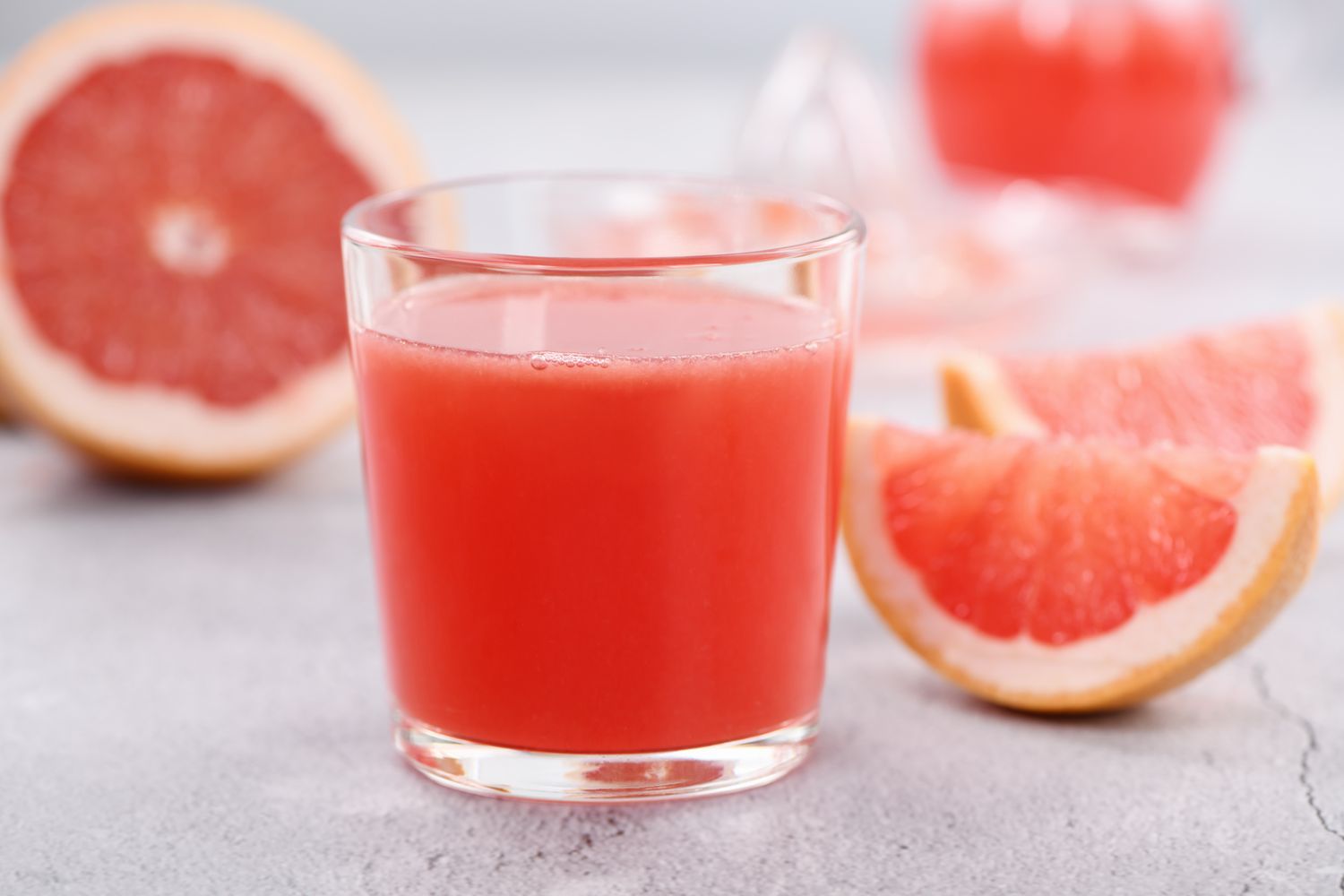
Drinking fruit juice in moderation can boost nutrients and help with hydration, but it may also spike blood sugar and raise your risk for cavities. To sip smarter, choose 100% fruit juice with pulp and skip the sugary blends.
Drinking 100% Fruit Juice Offers Some Health Benefits
Your Nutrient Intake Improves
Some research linked consuming 100% fruit juice with better diet quality and nutrient intake in children and adults. In one study, juice drinkers reported taking in more vitamins and minerals than people who didn’t. These nutrients included:
- Calcium
- Magnesium
- Potassium
- Vitamin C
- Vitamin D
Research also suggests that replacing 100% fruit juice with whole fruits didn’t significantly affect overall nutrient intake except dietary fiber.
Your Hydration Levels Are Supported
While water should generally be your primary source of hydration, drinking fruit juice occasionally is another option. Experts suggest that 100% fruit juice can serve as a water alternative that contains essential nutrients, contributing to your hydration levels. However, be mindful of the calorie intake in your preferred juice.
You Risk of Chronic Disease May Decrease
Drinking 100% fruit juice in moderation may help prevent certain chronic diseases, especially if it’s made from citrus fruits, which are rich in antioxidants and protect cells from disease-causing damage.
Most experts consider an occasional serving (1 cup) of 100% fruit juice as counting toward your daily fruit intake requirement, though guidelines note that at least half of that amount should come from whole fruits.
Drawbacks of Drinking Juice Every Day
Your Blood Sugar Levels Might Spike
Consuming fruit juice daily may also trigger a spike in blood sugar, which can lead to other types of health issues, including diabetes. Juices, even 100% fruit juice, tend to be higher in sugar, which hits the bloodstream quickly.
Juice also lacks the fiber that whole fruits contain, which helps manage blood sugar levels. To help mitigate this, consider drinking juice after you’ve eaten rather than consuming it on an empty stomach.
Your Calorie Intake Could Increase
It’s possible that your daily caloric intake could increase if you regularly drink fruit juice. Similar to sugary soft drinks, some research suggests that drinking a cup of 100% fruit juice daily can lead to weight gain. The study found a half-pound weight gain over three years in nearly 50,000 postmenopausal women.
Researchers believe that fruit juice’s low fiber and high sugar content may trigger appetite through increased blood sugar levels.
Your Risk of Cavities May Be Higher
Consuming extra sugar via fruit juice could increase the risk of developing cavities or tooth decay. Research shows that plaque-causing bacteria in your mouth feed off simple carbohydrates, like those in sugary foods and drinks. Regularly drinking juices with sugar may contribute to cavities, particularly if you aren’t eating a nutritious diet.
For this reason, dental experts recommend limiting fruit juice in young children and toddlers.
Your Type 2 Diabetes Risk May Increase
Although more evidence is needed to understand the connection, there may be a link between fruit juice and type 2 diabetes. One study found that drinking a daily serving of fruit juice slightly raised the risk of type 2 diabetes in adults. However, there wasn’t a risk with similar sugar intake from food sources.
In other research, drinking 100% fruit juices and sugary drinks daily during childhood and adolescence was connected to a higher risk of developing type 2 diabetes in young boys, but not in girls.
A Word From Verywell
Choose fruit juices that are 100% juice with pulp, and ideally drink them with a meal or snack rather than by themselves to minimize blood sugar spikes.
:max_bytes(150000):strip_icc()/JamieJohnson-f43453e215fd408f8601ed8b4d3cdc1a.png)
Tips for Including Juice in Your Diet
A particular juice’s potential benefits and downsides depend on the type you select. Some tips to keep in mind when adding 100% fruit juice to your diet include:
- Look for 100% fruit juice with the least amount of added sugars and calories on the label
- Choose a juice with pulp, which helps increase the juice’s fiber content
- Be mindful of other ingredients, as varieties like tomato juice typically contain less sugar but can be high in sodium
- Consider the potential side effects of different juices, as tart cherry juice can trigger drowsiness, while citrus juices may impact tooth enamel
:max_bytes(150000):strip_icc()/IMG_5047-9727550a95404c49a7515e66930004ef.JPG)