

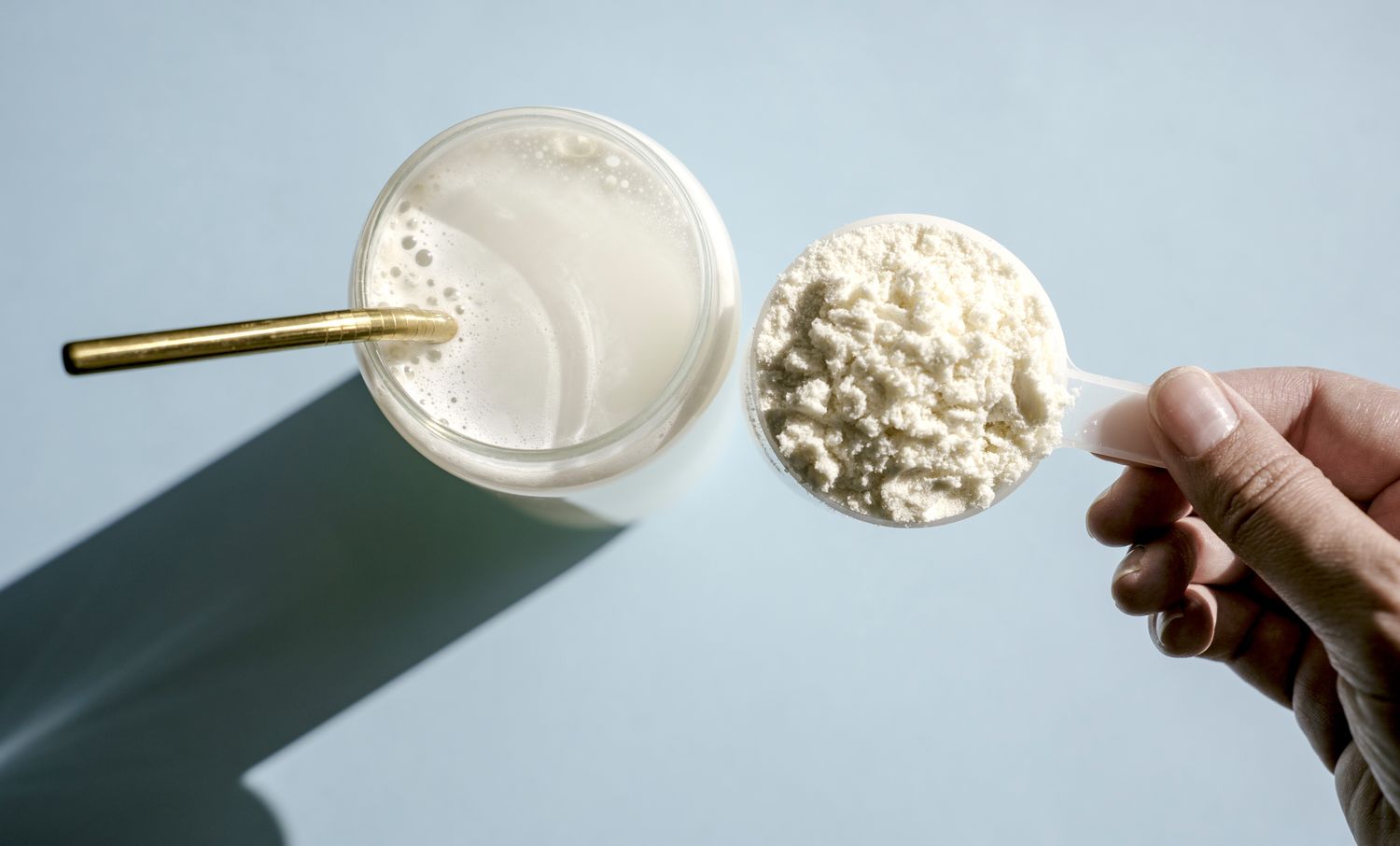
Protein shakes are widely available and often marketed as convenient meal alternatives, which may leave you wondering whether you can have protein shakes instead of meals. Replacing meals with protein shakes can affect your body in different ways, depending on the shake’s nutrient content and how it compares to your usual eating pattern.
1. You May Consume More Protein
Most commercial protein shakes provide 20 to 30 grams of protein per serving. Depending on what your meals typically include, a shake may deliver more protein than some solid foods. For example, a 3.5-ounce portion of cooked chicken breast has 31 grams of protein, and a cup of cooked penne pasta offers 6 grams of protein.
That said, you can meet your protein needs without shakes by eating a variety of protein-containing foods throughout the day. Mixing and matching protein sources at meals can help support adequate intake.
2. You’ll Support Muscle Mass
Protein shakes provide a quick, easy way to consume protein, making it easier to increase overall protein intake. Protein helps build and preserve muscle by supplying amino acids and stimulating muscle protein synthesis, especially when coupled with strength training. As a result, drinking protein shakes may alter muscle and lean body mass.
3. You May Miss Out on Other Key Nutrients
When a protein shake replaces a meal, it’s important to consider which nutrients may be missing. While protein shakes deliver protein, they often fall short of other essential vitamins, minerals, and nutrients, such as fiber, that are typically found in balanced meals made with whole foods.
4. Your Calorie Intake May Change
Your calorie intake may increase, decrease, or stay the same, depending on how a protein shake compares to the meal it replaces.
If the protein shake contains fewer calories than your typical meal and you don’t compensate later, then total daily calories will likely decrease, potentially leading to weight loss. Studies using meal-replacement shakes report lower overall energy intake and greater weight loss than food-based diets.
Research yields mixed results when protein shakes are used as snacks or meal preloads. Some evidence suggests it results in eating less at a subsequent meal, while other research shows a net increase in total energy intake throughout the day.
5. You May Not Feel Full
Solid foods reduce hunger and increase the feeling of fullness (satiety) more than liquids do. Liquids and solid foods affect the hormones involved in appetite regulation differently, though more research is needed.
Still, evidence is conflicting on whether eating a meal versus drinking a shake affects food intake later in the day. Some research indicates that meal composition—such as its protein, fat, and carbohydrate content—may more significantly influence food intake than the form of the food itself.
Can You Have Protein Shakes Instead of Meals?
It depends. Whether you can have a protein shake instead of a meal depends on your individual needs and circumstances. Consider the following:
- Most protein shakes are not meal replacements. Unless otherwise directed by a healthcare provider, use protein shakes as a supplement, not as a meal replacement.
- If a protein shake doesn’t leave you feeling full or satisfied, a balanced meal may be a better option.
- If you use protein shakes to boost your protein intake, consider the composition of your meals. Follow the balanced plate principle: make half of your plate non-starchy vegetables, one fourth protein, and one fourth whole-grain carbohydrates. This model supports satiety and ensures adequate protein and nutrient intake.
- For people who regularly skip meals, a protein shake may be a convenient way to enhance nutrition and support functional health, particularly among older adults.
- Protein shakes may be appropriate for individuals who have difficulty chewing, provided they have been medically cleared to use protein shakes as meal replacements.
In most cases, protein shakes work best as a supplement rather than a routine replacement for whole meals.
:max_bytes(150000):strip_icc()/AmyBrownsteinMSRDN-db78b6b8ad074434b19ec5f9ca0a4313.jpg)