

Key Takeaways
- Soy milk is a versatile and nutritious plant-based option with health benefits that include potential improvements in cholesterol levels, a reduced risk of high blood pressure, controlled inflammation, support for weight management, and relief from menopausal symptoms.
- Individuals with soy allergies should avoid soy products.
- For infants, the use of soy milk should be discussed with a healthcare provider.
Soy milk benefits may include aiding in the reduction of high blood pressure, lowering cholesterol, combating inflammation, and more. However, while soy milk is a nourishing choice for many, it may not be suitable for everyone.
1. Lower Inflammation
Soy contains isoflavones, plant-based compounds with a structure similar to the sex hormone estrogen. Isoflavones also have antioxidant properties.
Isoflavones in soy, such as genistein, also act as antioxidants by scavenging free radicals (molecules that can damage DNA and cause cancer) and reducing inflammation triggers. Isoflavones in soy milk play a vital role in protecting your body from inflammation and its associated health risks.
2. Improved Cholesterol
Soy milk has been linked to potential improvements in cholesterol levels due to its high content of soy protein and isoflavones:
3. Reduced High Blood Pressure
A 2021 review of multiple studies examined the impact of soy on blood pressure. Soy may reduce blood pressure due to its isoflavones. Isoflavones help enhance the functioning of blood vessels, promoting their relaxation and ultimately contributing to lowering blood pressure.
4. Better Weight Maintenance
Soy may support weight maintenance through several mechanisms:
- It’s a rich source of protein, which can promote a feeling of fullness and reduce overall calorie intake, aiding in weight control.
- Consuming soy protein may also improve insulin resistance, which is when the body does not respond to insulin to take in blood sugar as it should.
- Soy foods often replace less healthy options in the diet, reducing the consumption of high-calorie, high-fat foods.
5. Reduced Menopause Symptoms
Soy may help alleviate menopausal symptoms due to its rich content of isoflavones, which are natural plant compounds with estrogen-like properties. These isoflavones, particularly genistein and daidzein, can bind to estrogen receptors in the body.
This may help balance hormonal fluctuations during menopause and prevent menopausal symptoms, including:
- Fatigue
- Depression and mood symptoms
- Hot flashes
- Bone loss
6. Improved Heart Health
Research suggests that including soy-rich foods, including tofu and soy milk, in your diet may offer unexpected benefits for heart health:
- Isoflavones have been linked to a reduced risk of heart disease, particularly among younger women and postmenopausal people not taking hormones.
- One study, which examined data from 200,000 individuals, revealed that consuming at least one serving of tofu a week was associated with an 18% lower risk of heart disease compared to those who rarely ate tofu.
- While these findings are promising, experts emphasize that overall diet quality, exercise, family history, and lifestyle habits also play crucial roles in heart health, making isoflavone and soy-rich foods a healthy component of a balanced diet rather than a magic bullet for preventing heart disease.
7. Provides Nutrients
Soy milk has a wide range of nutritional benefits, some of which include:
- Source of high-quality plant-based protein, providing essential amino acids for muscle and tissue health
- Naturally low in saturated fats and cholesterol, making it heart-healthy
- Fortified with vitamins and minerals, such as calcium and vitamin D
- Good source of potassium, which supports heart and muscle function
- Naturally lactose-free
- Contains isoflavones
One cup of soy milk contains the following nutrients:
- Calories: 105 kilocalories (kcal)
- Protein: 6.34 grams (g)
- Fat: 3.5 g
- Carbohydrates: 12 g
- Total dietary fiber: 0.488 g
- Total sugars: 8.91 g
- Calcium: 300 milligrams (mg)
- Iron: 1.02 mg
- Magnesium 36.6 mg
- Potassium: 298 mg
- Sodium: 115 mg
Is it good to drink soy milk every day?
Unless you have a soy allergy, drinking soy milk daily in moderation is generally considered safe. Consuming one to two servings of soy foods per day aligns with the American Institute for Cancer Research’s recommendations.
What Are the Drawbacks of Soy Milk?
With the exception of individuals with soy allergies, soy is generally regarded as a safe dietary choice. In addition, while research has shown the safety of short-term use of soy protein supplements and isoflavone-rich soy extracts, the long-term safety remains uncertain.
Drawbacks and groups who may want to limit or avoid soy milk include:
- Digestive side effects: Constipation and diarrhea can occur.
- Breast cancer survivors: Current evidence suggests that soy foods are safe for women with a history of breast cancer or those at risk. Still, the safety of soy isoflavone supplements for this group remains uncertain.
- Pregnancy and lactation: Consuming too much soy during pregnancy may pose risks due to potential harm to the fetus from soy’s estrogen-like compounds. The safety of higher soy consumption while breastfeeding still needs to be understood. Talk to a healthcare provider to see if soy milk is safe during pregnancy and breastfeeding.
- Soy allergy: Soy allergies can cause a range of symptoms, from mild hives to severe anaphylaxis.
- Thyroid issues: Some studies suggest that excessive consumption of soy products, like soy milk, might affect thyroid function, particularly in individuals with iodine deficiency or preexisting thyroid disorders.
- People with Crohn’s disease and ulcerative colitis: Some research suggests that carrageenan (which is often added to soy milk) changes the intestinal microflora (community of microbes), and when inflammation was already present in people with these conditions, carrageenan increased inflammatory markers.
- Infants: While soy-based infant formulas are available and appropriate for some babies, it’s important to consult a pediatrician or other healthcare provider before introducing soy-based products to an infant’s diet. They can guide you on whether soy formula suits your child’s specific needs.
Soy milk often includes carrageenan, a plant-based additive that improves the milk’s texture and expands its shelf life. While some studies have suggested that carrageenan may cause inflammation in the gut, further research is needed to confirm this definitively, and the additive is generally considered safe in moderation.
If you have any concerns, contact a healthcare provider or a registered dietitian to determine the most appropriate dietary choices for your individual needs.
How Soy Milk Compare to Other Milks
Soy milk is often used to replace dairy milk. Here’s how it compares to both dairy options and other plant-based milks.
| How Milks Compare per Serving | ||||||
|---|---|---|---|---|---|---|
| Milk | Protein | Calories | Total Fat | Fiber | Calcium | Sugar |
| Soy | 6.34 g | 105 | 3.5 g | 0.49 g | 300 mg | 8.91 g |
| 2% Cow | 8.5 g | 125 | 4.7 g | 0 g | 314 mg | 12 g |
| Oat | 2 g | 120 | 6.88 g | 1.88 g | 370 mg | 5.8 g |
| Almond | 1 g | 40 | 2.5 g | 2.5 g | 482 mg | 2 g |
How to Add Soy Milk to Your Diet
Many people incorporate soy milk as a substitute for dairy milk. Here are some common uses for the milk:
- Cereal
- Coffee
- Baked goods
- Smoothies
- Curries
- Pancakes
- Drink it plain
How to Make Soy Milk at Home
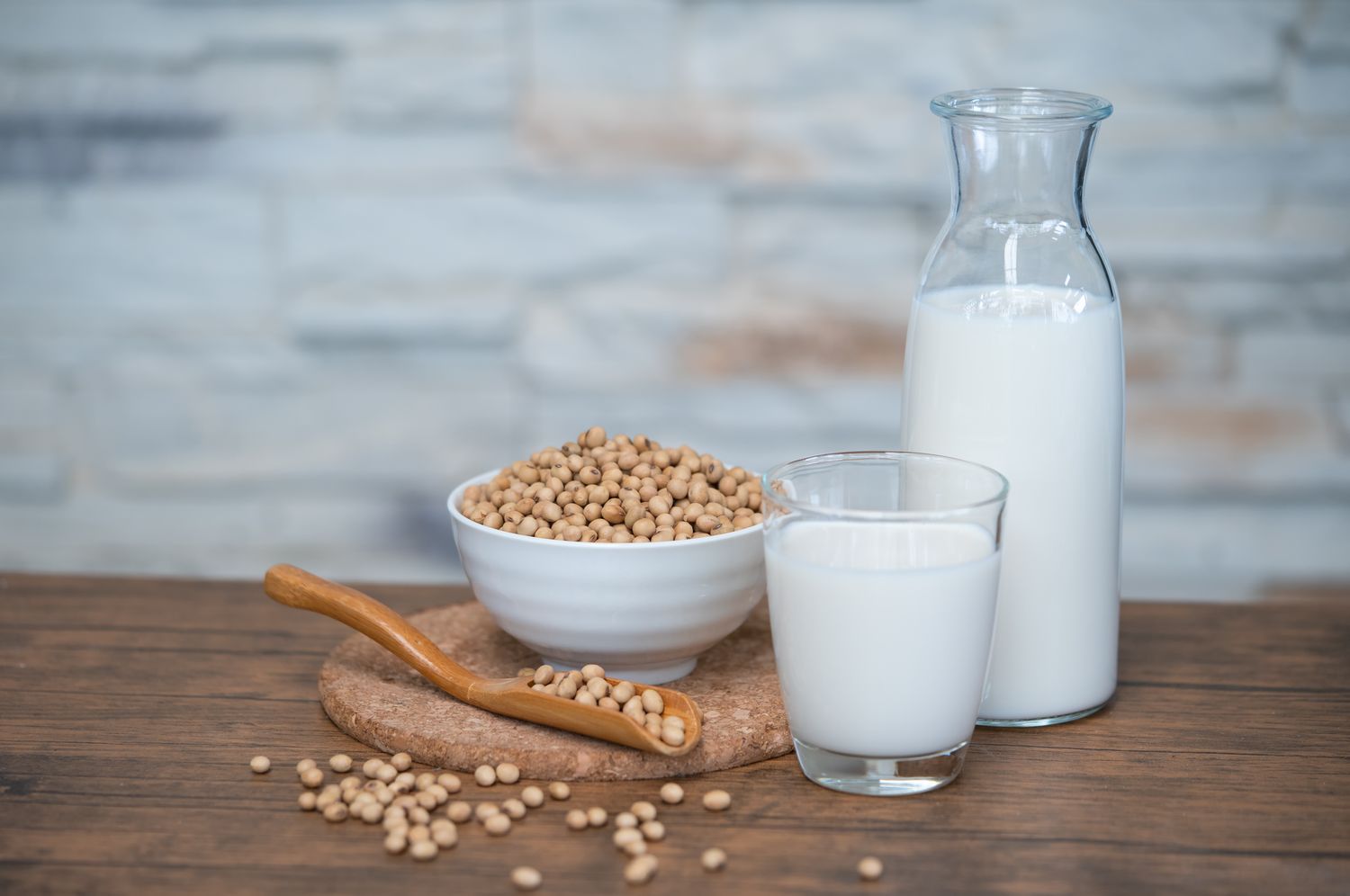
To make soy milk at home, begin with either regular or germinated soybeans. The process involves cleaning, soaking, and mixing the soybeans with water (at a 9-to-1 ratio, meaning 9 parts water for 1 part soybeans).
:max_bytes(150000):strip_icc()/Pe_Photographic_elements_photo_4004_65-03e93e03913047838bfa0ca549c75c8d.jpg)