

:max_bytes(150000):strip_icc():format(jpeg)/bean-sprouts-11857713-6e366b4a0260415690901af84d2aa7ae.jpg)
Key Takeaways
- Bean sprouts are full of nutrients like vitamins C and K, iron, and calcium, which help support your heart, bones, and immune system.
- Eating more fiber from bean sprouts can lower cholesterol, protect your heart, and strengthen your immune system.
- Mung bean sprouts help keep your heart healthy by regulating blood pressure, cholesterol, and triglyceride levels.
Nutrient-rich bean sprouts support heart health, boost digestion, and help maintain balanced blood sugar levels with their impressive mix of vitamins, minerals, and fiber. Incorporating these sprouts into your meals can not only enhance your nutrition but also contribute to lowering the risks of common health issues like heart disease and cancer.
Santiago Urquijo / Getty Images
1. You’ll Boost Your Fiber Intake
Bean sprouts are a healthy, crunchy way to add fiber to your meals, which is important for your body.
Studies show that eating more fiber can:
- Lower bad (LDL) cholesterol
- Protect your heart
- Lower the risk of cancer and diabetes
- Keep your gut healthy
- Strengthen your immune system
- Reduce inflammation
- Help protect your brain as you age
Most adults need about 14 grams of fiber for every 1,000 calories they eat, but many people don’t get even half that amount.
If you add too much fiber too quickly, it can cause gas or bloating. Bean sprouts are a gentle way to start adding fiber without overdoing it.
2. You’ll Get Heart-Healthy Nutrients
Mung bean sprouts support heart health by helping regulate blood pressure, cholesterol, and triglyceride (blood fat) levels.
They contain several important nutrients that promote cardiovascular wellness:
- Vitamin K helps reduce the risk of cardiovascular disease by preventing fat and cholesterol buildup in artery walls. One serving of mung bean sprouts provides about 29% of the daily recommended amount.
- Potassium balances sodium levels and helps maintain healthy blood pressure.
- Magnesium supports normal muscle and nerve function, including the heart, and helps regulate blood pressure.
- Iron is essential for carrying oxygen in the blood and supporting overall heart function.
Sprinkling mung bean sprouts on your meals is an easy way to work in heart-healthy nutrients without much effort.
3. Your Immune System Will Be Fortified
Mung bean sprouts are rich in natural compounds that support a balanced immune system, like:
They activate immune cells called macrophages, which act like the body’s first responders—finding germs and sending out signals to rally other immune cells to join the fight.
Lab and animal studies show that mung bean sprouts can both fight infections and help prevent chronic illness. They’re a valuable addition to the diet, especially for those dealing with inflammation or at higher risk of infections.
4. You May Have Less Chronic Disease
The same plant compounds in bean sprouts that support your immune system also act as antioxidants. These molecules neutralize free radicals, the unstable molecules that can damage cells.
Free radicals are linked to many chronic and degenerative diseases, including:
- Cancer
- Diabetes
- Metabolic disorders, like obesity and abnormal cholesterol
- Atherosclerosis (plaque buildup and hardening of arteries)
- Cardiovascular (heart) disease
- Alzheimer’s disease
- Parkinson’s disease
- Multiple sclerosis
- Depression
- Rheumatoid arthritis
Including bean sprouts in your diet may help protect your cells from free radical damage and reduce the risk of these chronic conditions.
5. Your Mood May Improve
Bean sprouts contain natural compounds like GABA, melatonin, and inositol—each of which can help the brain and body feel calmer:
- GABA (gamma-aminobutyric acid) is a chemical that helps calm the brain. It acts like a brake for your nervous system, slowing down nerve activity when you’re feeling anxious or overwhelmed. Many people with depression or anxiety have low GABA levels, and adding more through food may help.
- Melatonin helps regulate sleep. Since poor sleep often makes stress and anxiety worse, the boost in melatonin from sprouted beans can support better rest and recovery.
- Inositol supports how your body handles insulin, but it also plays a role in mood balance. It may help with symptoms of anxiety and depression when it’s low in the brain.
Sprouting increases the amount of all three compounds, making bean sprouts a simple, natural way to support your mental health.
6. You’ll Reduce Blood Sugar Spikes
Bean sprouts are naturally low on the glycemic index (GI), meaning they don’t cause sharp spikes in blood sugar after eating. They’re rich in resistant starch, amylose, and fiber—carbohydrates that digest slowly. This slower digestion helps keep blood sugar steady and improves how the body responds to insulin.
Research on mung beans and their sprouts shows they can lower blood sugar, especially in people with elevated levels. Animal studies have found that mung bean sprouts reduce blood sugar and improve insulin function. They also help lower cholesterol and triglycerides, which are often high in people with diabetes.
7. You’ll Help Strengthen Your Bones
Bean sprouts have important nutrients like vitamin K, magnesium, and folate that help build and repair bones. They also contain antioxidants that reduce inflammation, which keeps bones strong over time.
Soybean sprouts, in particular, are rich in natural plant compounds called phytoestrogens. These act like estrogen, a hormone that helps keep bones healthy and strong. When estrogen levels drop—such as during menopause—bones can weaken. Eating soybean sprouts may help protect bones and reduce symptoms linked to low estrogen.
How to Use Bean Sprouts
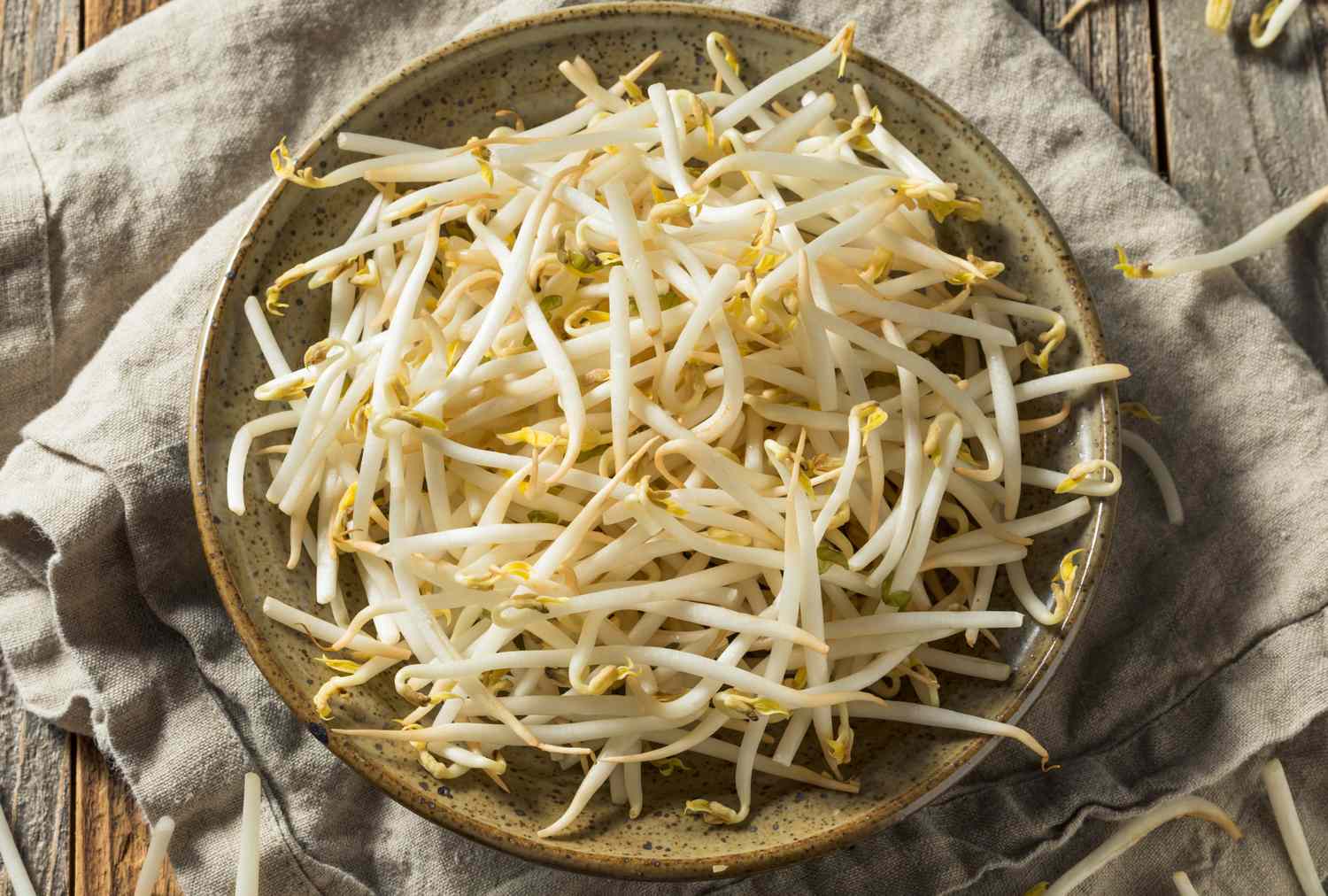
Bean sprouts from types like alfalfa, chickpeas, lentils, soybeans, and others are packed with nutrients. They have a tender, crisp texture and a slightly sweet, nutty flavor. You can enjoy them in stir-fries, salads, soups, stews, and sandwiches to add flavor, color, and crunch.
Steaming, boiling, or lightly frying sprouts can enhance their taste. Cooking also may make nutrients easier for your body to absorb.
Food Safety Note
Sprouts have been linked to outbreaks of foodborne illness because they can carry harmful bacteria like E. coli, Listeria, and Salmonella. The warm, humid conditions needed for sprouting also encourage bacterial growth. Growing sprouts at home or choosing organic doesn’t guarantee safety.
Fresh sprouts spoil quickly and must be kept refrigerated below 40°F. To reduce the risk of illness:
- Buy sprouts that are properly refrigerated.
- Avoid sprouts that are slimy or have a musty smell.
- Rinse sprouts well before use.
- Wash hands, surfaces, and utensils after handling raw sprouts to prevent cross-contamination.
- Cook sprouts when possible.
- Choose canned sprouts as a safer option.
People at higher risk may need to avoid raw sprouts. Children, older adults, pregnant individuals, and those with weakened immune systems may need to seek medical advice before using sprouts.
What Makes Bean Sprouts So Nutritious?
Bean sprouts are more than 90% water, but they still provide a surprising amount of nutrients for how few calories they contain.
Just 1 cup of raw mung bean sprouts contains only 31 calories (about 2% of your daily value) and still delivers a solid dose of key nutrients, including:
- Protein: 3.16 grams (g)
- Fiber: 1.6 g
- Vitamin C: 13.7 milligrams (mg)
- Vitamin K: 33 micrograms (mcg)
- Iron: 0.946 mg
- Magnesium: 21.8 mg
- Potassium: 155 mg
- Calcium: 13.5 mg
- Copper: 0.171 mg
- Fat: 0.187 g
- Sodium: 6.24 mg
Different sprouts offer different perks. For instance, lentil and soybean sprouts have more protein than mung bean sprouts, while mung bean sprouts contain more fiber and sugar than alfalfa, lentil, or soybean sprouts.
No matter the type, sprouts are a smart, nutrient-dense way to add texture, crunch, and health benefits to your plate.