

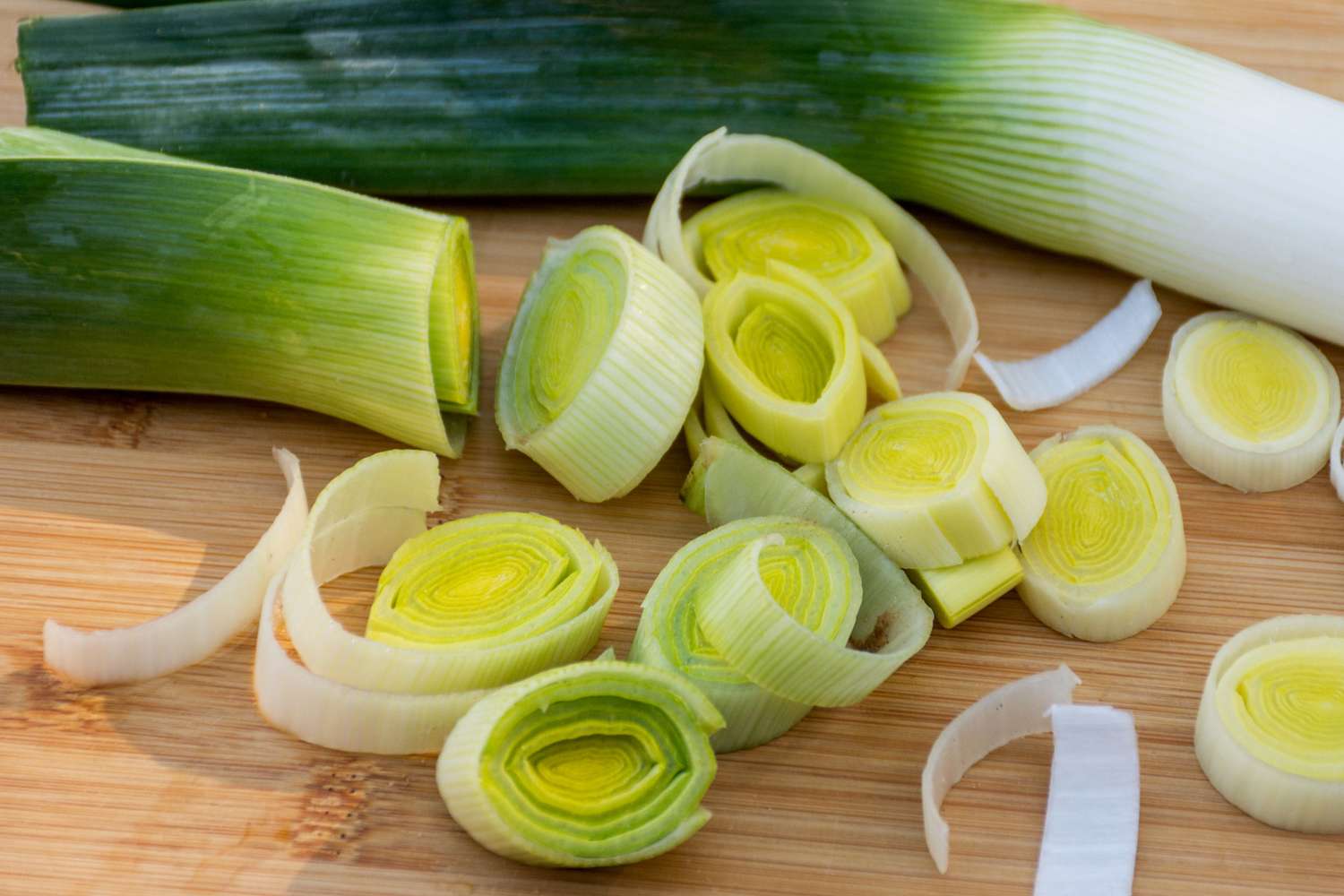
Leeks are a sweet, garlicky vegetable and are part of the allium family, along with garlic and onions. Rich in antioxidants, they support overall health and wellness—offering potential protection against cancer and protecting heart and bone health, among other benefits.
1. You Get a Boost of Antioxidants
Leeks are rich in antioxidants, including polyphenols, flavonoids, and sulfur compounds. These compounds help counter oxidative stress caused by free radicals—unstable molecules that damage cells and contribute to chronic disease.
Leeks also provide kaempferol for heart and cancer protection, as well as allicin for antimicrobial, cholesterol-lowering, and anticancer benefits.
2. You May Have Reduced Cancer Risk
Leeks may lower cancer risk. Two main compounds—kaempferol and allicin—are associated with reduced cancer risk. Lab and animal studies indicate that these compounds may help by reducing inflammation, targeting cancer cells, and preventing their spread.
Additional research in humans suggests that high consumption of allium vegetables may reduce the risk of gastric and colorectal cancer. However, further research is needed.
3. You Get Enhanced Heart Health and Reduced Inflammation
Research has linked alliums to a reduced risk of heart disease and stroke. Specifically, leeks have been shown to help lower inflammation and support cardiovascular health.
Their natural compounds may also help regulate blood pressure, reduce cholesterol levels, and decrease the risk of blood clots, all of which contribute to overall cardiovascular health.
4.Your Bone Strength Is Supported
Leeks are rich in vitamin K, a key nutrient for bone health. Vitamin K activates proteins that bind calcium to the bone matrix, helping maintain density and resilience.
Adequate intake may lower the risk of osteoporosis and age-related bone loss, making leeks a smart addition to a balanced diet.
5. You Get Key Antioxidants for Healthy Eyes
Leeks are a source of the antioxidants lutein and zeaxanthin, with one cooked leek providing about 1.15 milligrams (mg).
While the recommended daily intake is higher—approximately 10 mg of lutein and 2 mg of zeaxanthin—these compounds help protect against cataracts and age-related macular degeneration (AMD), two significant causes of vision loss in older adults.
6. You Enjoy Digestive Benefits
Leeks may support healthy digestion thanks to providing soluble fiber and natural prebiotics. These nourish beneficial gut bacteria and help maintain digestive balance.
7. They Can Assist Weight Management
Leeks are low in calories and can be part of a weight management program. The water and fiber in leaks can help you feel full, reducing the likelihood of overeating. Leeks are also rich in soluble fiber, which can reduce hunger and appetite.
8. You Get Their Nutrient Content
Leeks are packed with essential vitamins, minerals, and antioxidants. They provide provitamin A carotenoids, which the body converts into vitamin A—a nutrient vital for immune defense, healthy vision, cell communication, and reproduction.
They’re also rich in vitamin C, supporting immune health, tissue repair, iron absorption, and cellular function. In addition, leeks provide vitamin K1, which plays a key role in blood clotting and supports heart health.
A serving of cooked leeks (approximately 124 grams, or one leek) provides:
- Calories: 38.4
- Protein: 1 gram
- Fiber: 1.24 gram
- Calcium: 37.2 milligrams
- Magnesium: 17.4 milligrams
- Phosphorus: 21.1 milligrams
- Potassium: 108 milligrams
- Vitamin A: 50.8 micrograms
- Beta-carotene: 604 micrograms
- Lutein + zeaxanthin: 1150 micrograms
- Vitamin K: 31.5 micrograms
How Can You Add Leeks to Your Diet?
You can enjoy leeks raw or cooked. Try these tasty ideas:
- Slice raw leeks into a fresh salad.
- Roast them alongside mixed vegetables.
- Add to mashed potatoes or mashed cauliflower for extra flavor.
- Whip up a classic potato and leek soup.
- Add to soups and stews for a subtle sweetness.
- Sauté leeks and spoon over baked salmon or other fish.
:max_bytes(150000):strip_icc()/lana-barhum-d731df9d86514add9c6e1bd5aa2d7233.jpg)