

Key Takeaways
- Mashed potatoes provide nutrients like vitamin C and potassium, but should be eaten in moderation.
- Plain mashed potatoes can help calm digestive issues such as diarrhea.
- High-fat add-ins, excessive sodium, and large portions can raise cholesterol, blood pressure, and the risk of weight gain.
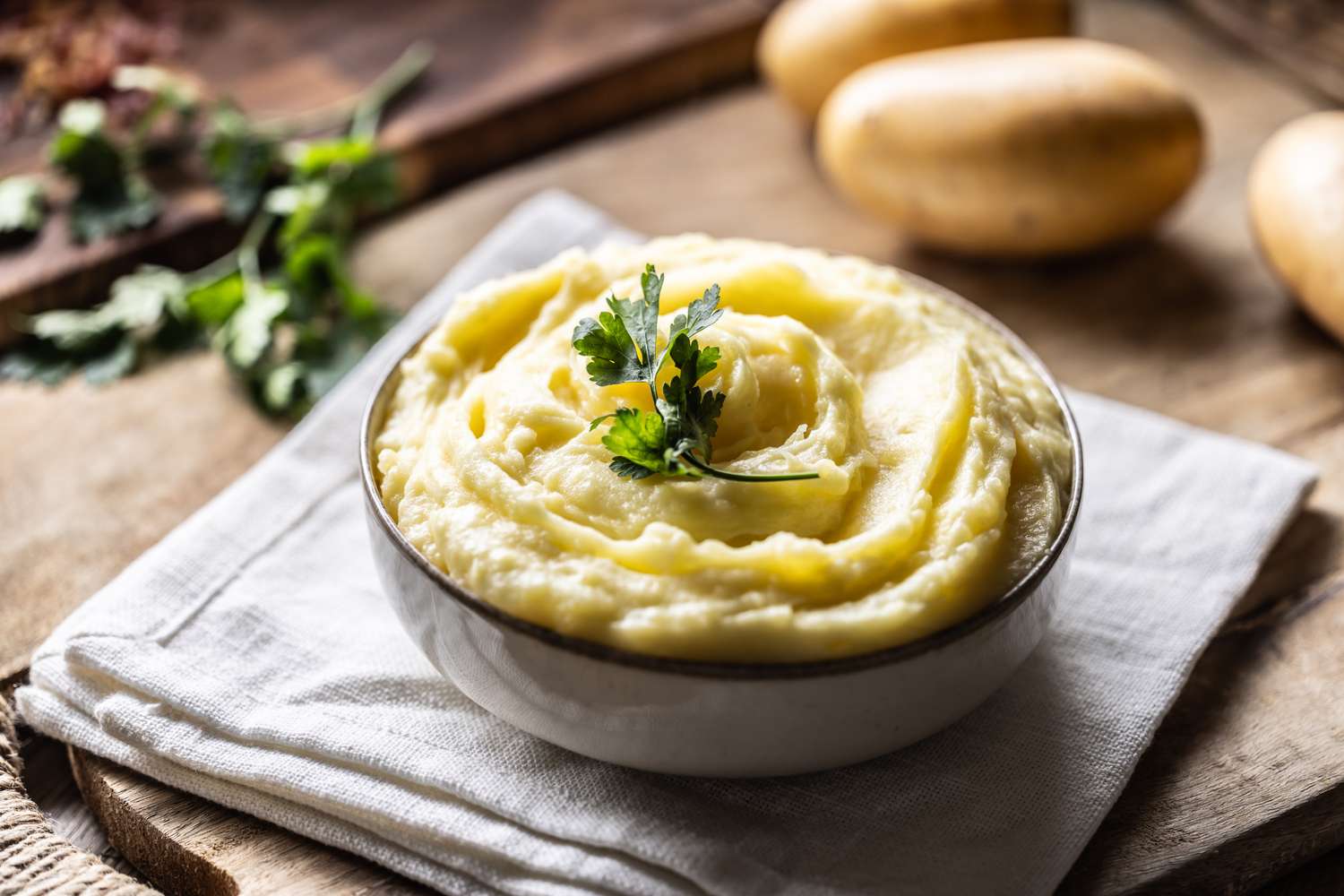
Mashed potatoes can fit into a healthy, balanced diet, especially when they’re prepared with lighter ingredients and eaten in reasonable portions. While potatoes offer important nutrients like vitamin C and potassium, mashed potatoes often have butter and salt, which can affect your weight and cholesterol levels.
Understanding both their benefits and downsides can help you enjoy them while supporting your overall health.
1. Potatoes Offer Lots of Nutrients
Generally speaking, potatoes provide many health benefits. “Overall, potatoes are a great, nutrient-dense starchy vegetable,” Michela Palma, RD, a dietitian at Cleveland Clinic, told Verywell. “Potatoes contain a variety of nutrients that benefit overall health.”
For example, potatoes are a good source of both vitamin C and potassium.
“Vitamin C helps with wound healing, absorption of iron from plant-based sources, and acts as an antioxidant to improve immune health,” Palma said. “Potassium helps with muscle and nerve functions, blood pressure regulation, and regulating fluid balance.”
2. They Can Calm Digestive Upset
Mashed potatoes are also beneficial if you have an upset stomach, particularly if you’re having diarrhea.
“If you are suffering from digestive issues, mashed potatoes that do not contain the skin can help with thickening your stool,” Palma said.
3. High Fat Add-Ins May Raise Cholesterol Levels
But there are, of course, downsides to overeating mashed potatoes, especially if they are prepared with certain ingredients.
“Many traditional mashed potato add-ins—like butter, whole milk, or heavy cream—add saturated fat,” Caitlin Rizzo, MDN, RDN, LD, a dietitian at The Ohio State University Wexner Medical Center, told Verywell.
“While a small amount of fat can help slow the rise in blood sugar, frequent consumption of foods high in saturated fat may contribute to higher cholesterol and triglyceride levels,” Rizzo added.
4. Excess Sodium Can Affect Blood Pressure and Weight
Mashed potatoes may also exacerbate high blood pressure if they are high in sodium. “Excessive salt intake can lead to fluid retention, putting more pressure on the heart to pump harder,” Palma said.
Eating too many potatoes in any form—including mashed potatoes—may also make it difficult to lose or maintain your weight. “Mashed potatoes do have the potential to make weight management difficult if they are prepared utilizing higher-calorie ingredients,” Palma said.
People may also experience weight gain if eating potatoes in excess. As potatoes primarily provide carbohydrates, these carbohydrates, if eaten in excess, are stored in the body as fat, she added.
How to Make Mashed Potatoes Healthier
Although the nutritional values of mashed potatoes depend heavily on which recipe you follow, a typical cup serving of mashed potatoes includes the following:
- Calories: 174
- Carbohydrates: 37 grams
- Protein: 4 grams
- Fat: 1 gram
- Vitamin C: 13 milligrams
- Potassium: 626 milligrams
If you’re looking for a healthier way to prepare potatoes, Palma suggested several options:
- Try roasting: This method does not require milk and will help reduce the fat content while retaining more of the potato’s vitamin C content.
- Use olive oil: Instead of using a stick of butter, try mixing in olive oil or another plant-based oil. Just make sure the serving size is no more than one teaspoon.
- Opt for low-fat Dairy: This will help reduce the fat content.
- Skip the salt: Flavor your potatoes using herbs and spices to reduce sodium content.
:max_bytes(150000):strip_icc()/maggieoneill-16204cf3e01b424bbbd66733f6fb4668.jpeg)