

Key Takeaways
- Cabbage is a cruciferous vegetable that comes in a wide variety, including green, red, Napa, and savoy.
- This low-calorie food offers nutrients such as vitamin C, potassium, and fiber, and may also provide benefits for anti-inflammatory, digestive, heart health, and weight management.
- Cabbage can be consumed raw or cooked, and may be included in your diet as a topping or main ingredient for a variety of dishes.
Cabbage is a nutrient-rich cruciferous vegetable that contains fiber, vitamin C, and other potent antioxidants. Adding more cabbage to your diet can help support heart health, weight management, digestion, disease prevention, and more.
1. You’ll Lose Weight
Cabbage is a low-calorie, nutrient-dense vegetable that can help support weight loss or management. One cup of raw cabbage has 17.5 calories, fiber, and other nutrients. Adding shredded cabbage as an ingredient or topping to your meals can help you feel fuller for a longer period.
Additionally, this vegetable is mostly water, comprising 92% of its volume per cup, or 2.2 ounces (oz) of water, making it a weight-loss-friendly food.
2. You’ll Improve Your Gut Health
Just two cups of raw shredded cabbage contain almost 4 grams (g) of fiber, while a cup of cooked shredded cabbage provides 2.8 g of fiber and 2 g of protein. Fiber is a nutrient that adds bulk to your meals, keeping you feeling fuller for a longer period. Foods like cabbage, which are higher in fiber, have been shown to help relieve constipation and improve gut health.
3. You’ll Reduce Inflammation
Long-term inflammation can cause cellular damage and lead to the development of chronic diseases like heart disease, diabetes, and cancer.
Some evidence suggests that cabbage and other similar vegetables can help combat inflammation in the body. In one study, consuming cruciferous veggies like cabbage lowered inflammatory markers in people 20 to 40 years old.
Other research shows that cabbage contains a chemical known as glucosinolates, which may offer anti-cancer benefits. However, additional evidence is needed.
4. You’ll Boost Antioxidants
Not only is cabbage chock full of vitamin C with around 51 milligrams (mg) per chopped cup, it’s also a source of other powerful antioxidants that can support overall health, immune system function, and disease prevention.
Red cabbage, in particular, contains anthocyanin, an antioxidant compound with anti-inflammatory properties.
While it may be most beneficial to consume this variety of cabbage if you’re looking to reap these benefits, other cabbage varieties, such as green, savoy, and Napa, also offer some vitamin C and antioxidant content, including isothiocyanate compounds.
5. You’ll Protect Your Heart
As a cruciferous vegetable, some research suggests that cabbage may help protect your heart and prevent heart disease.
In one study, women 74 years and older who consumed more cruciferous vegetables were more than 45% less likely to develop abdominal aortic calcification (AAC), a known predictor of future heart health issues.
Additionally, the potassium found in cabbage can help lower blood pressure, a risk factor for developing heart disease.
Cabbage Nutrition Profile
While several different types of cabbage may have slightly different nutrition profiles, one cup of raw shredded cabbage generally contains:
- Calories: 17.5
- Fat: 0.1 grams (g)
- Carbohydrates: 4.1 g
- Fiber: 1.8 g
- Added sugars: 0 g
- Protein: 0.9 g
- Sodium: 12.6 milligrams (mg)
Tips for Incorporating Cabbage into Your Diet
Cabbage is a versatile vegetable that can be relatively easily added to your diet. Some tips include:
- Cooking cabbage in various ways, such as raw, steamed, roasted, grilled, or sautéed, is recommended. However, avoid cooking for too long, as this can weaken the nutritional content.
- Cleaning cabbage before eating or cooking it.
- Adding cabbage to your diet gradually is recommended, as its high fiber content can lead to digestive side effects such as bloating and gas if incorporated too quickly.
- Consuming different varieties of cabbage, including purple, red, or green varieties.
- Using cabbage as a main ingredient in pasta sauce, coleslaw, or fermented kimchi.
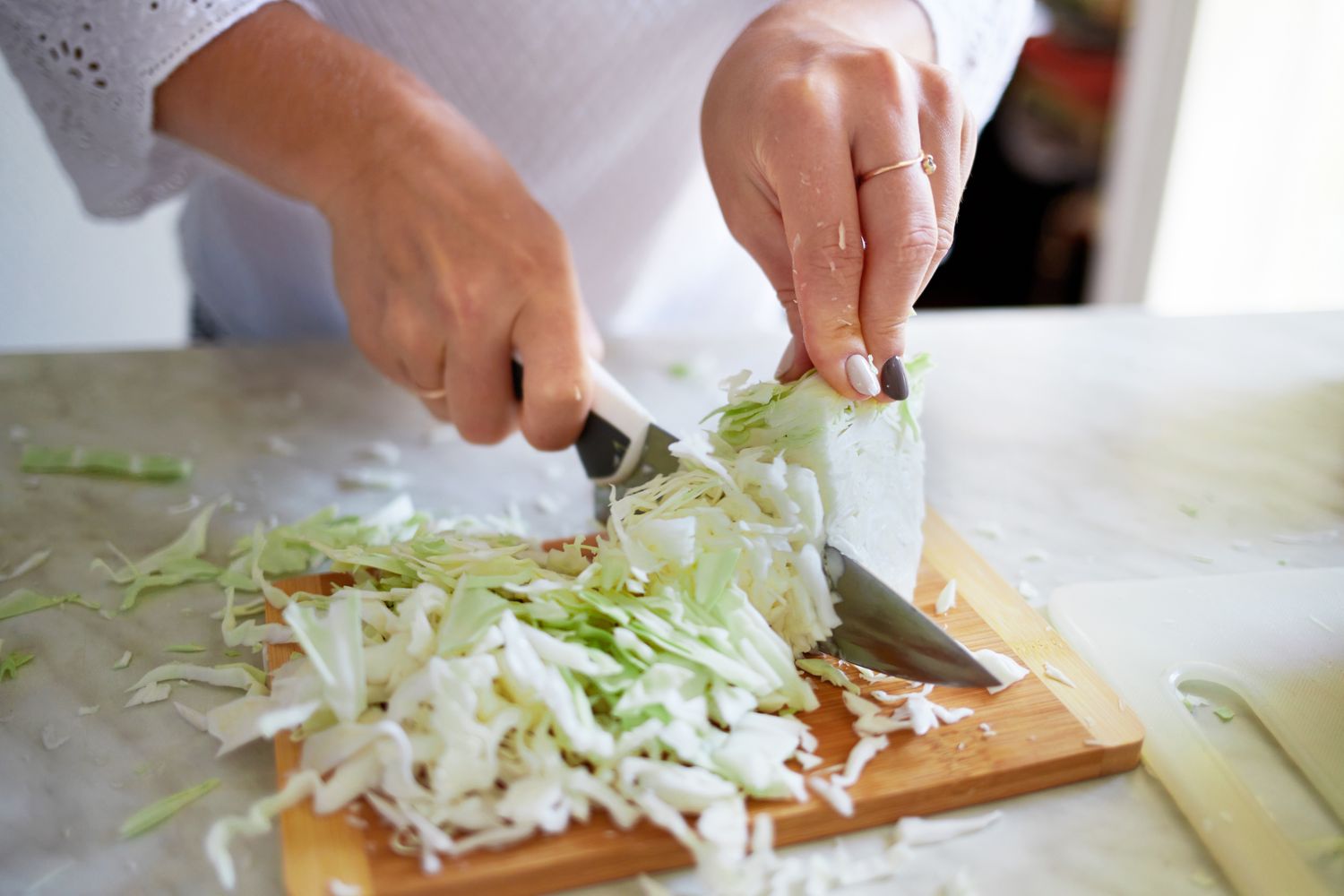
- Trying shredded cabbage as a topping for hamburgers, sandwiches, salads, stir-fries, and tacos.
Consult with a healthcare provider before consuming cabbage if you have a history of mugwort allergy or are taking blood thinners, such as warfarin, as the vitamin K in cabbage may interact with the medications.
:max_bytes(150000):strip_icc()/IMG_5047-9727550a95404c49a7515e66930004ef.JPG)