

Key Takeaways
- Garlic honey is a fermented food with potential medicinal uses, but research is limited.
- Garlic may benefit high cholesterol, diabetes, and immunity, while honey can benefit sore throat, inflammation, and diabetes.
- Garlic honey is generally considered safe when made correctly, but side effects are possible.
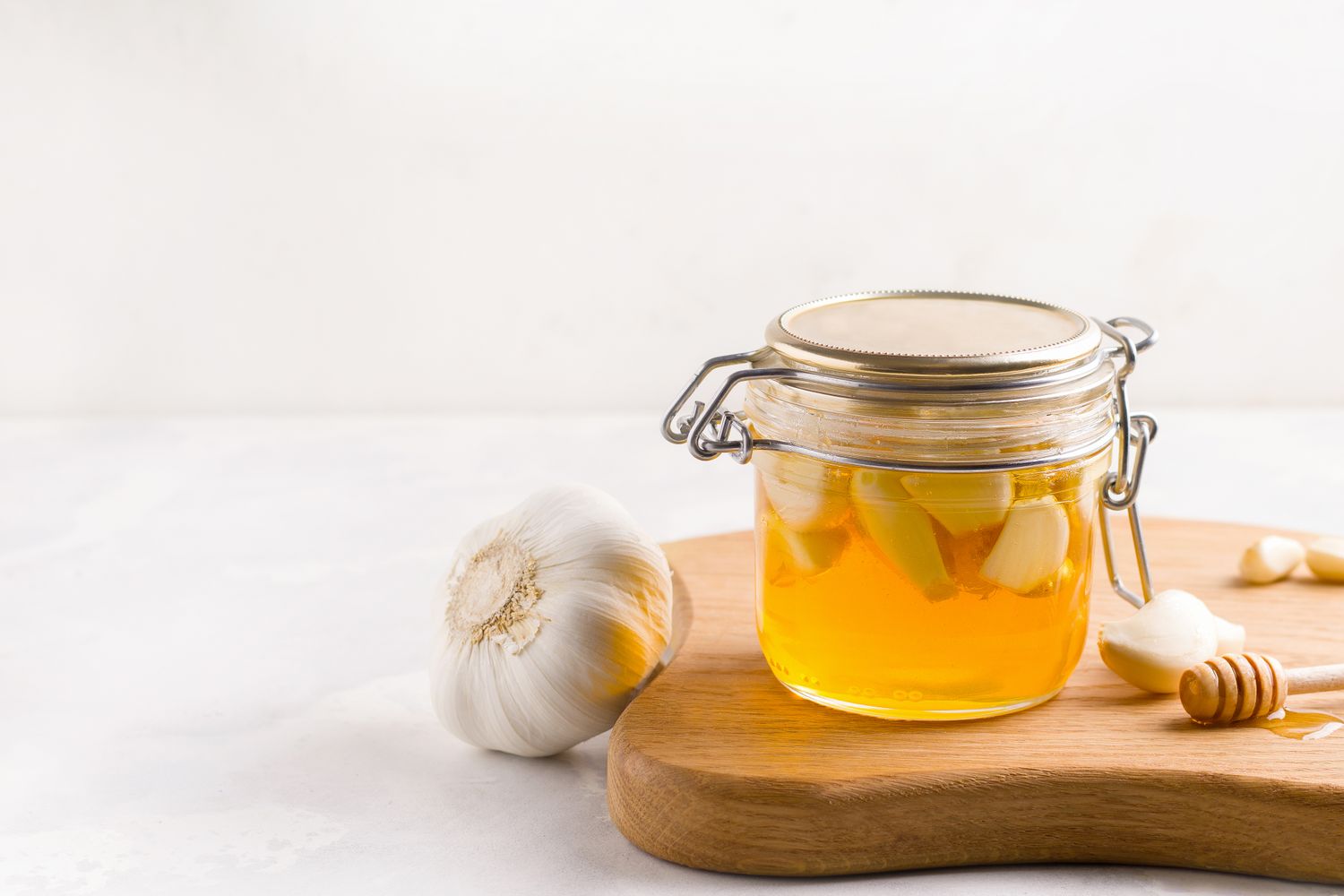
Garlic and honey are two ingredients that have been used medicinally for centuries. Lately, garlic cloves are being fermented in raw, unpasteurized honey as a social media trend that promises immune-boosting benefits.
What Is Garlic Honey?
Garlic honey can be made at home and has potential culinary and medicinal uses.
- Garlic honey is easy to make. While recipes may vary slightly, garlic honey is essentially made by combining whole garlic cloves with honey and then letting the two ingredients ferment for weeks to months in a jar. Once ready, garlic honey can be consumed on its own or added to various recipes.
- Fermentation enhances the flavors of both garlic and honey. Fermented garlic has a milder, less pungent taste than raw garlic. Garlic honey can be used in various recipes or consumed on its own.
- Fermented garlic honey may offer specific health benefits. Garlic honey proponents claim it has immune-boosting properties and may help alleviate symptoms of the common cold. However, research on garlic honey is minimal.
- Garlic and honey both offer similar and distinct benefits. Garlic has antibacterial, antiviral, antioxidant, and anti-inflammatory properties and may help with heart health. Honey also contains antioxidants, as well as antibacterial and antiviral properties.
What Is Fermentation?
- Fermentation is a natural process in which bacteria metabolize sugars.
- It can extend the shelf life of foods and beverages and may also enhance the nutritional value of certain foods.
- Fermentation may enhance the absorption of vitamins and minerals and produce additional substances, such as organic acids and probiotics, which are beneficial bacteria that aid digestion and support gut health.
What Garlic Can Do for Your Body
Garlic (Allium sativum) has been used medicinally for centuries and may have beneficial effects on heart health.
- Some studies suggest that garlic supplements may help lower cholesterol levels. According to one review of studies, garlic may reduce total and LDL cholesterol levels in the blood. Researchers believe that the compound in garlic inhibits specific enzymes required for cholesterol production in the liver.
- Garlic may also help reduce blood pressure. Several studies have shown that garlic may help reduce blood pressure in individuals with mild hypertension (high blood pressure). This may be due to garlic’s antioxidant properties.
- Garlic may be beneficial for people with diabetes. A review of studies found that garlic may enhance the function of metformin, a medication that lowers blood sugar levels. Research suggests that garlic may also stimulate insulin production, a hormone that helps regulate blood sugar levels.
- Your immune system may get a boost if you use garlic. Although research is limited, garlic may alter your body’s immune system. Results from lab studies suggest that garlic may stimulate immune cells that help defend your body from illness.
What Honey Can Do for Your Body
Honey contains various nutrients and compounds that may offer therapeutic benefits.
- Honey may be helpful for a sore throat. It has antimicrobial and anti-inflammatory properties. According to a review of studies, honey improved cough severity and frequency.
- Honey contains antioxidants, such as flavonoids and phenolic compounds, that possess anti-inflammatory properties. Evidence suggests that honey may help reduce chronic inflammation, which in turn may lower the risk of cancer and other diseases; however, further research is needed.
- Honey may help lower blood sugar as a sugar substitute. It contains the sugars fructose and glucose, as well as vitamins, minerals, and antioxidants. Compared to table sugar, honey has a less significant impact on blood sugar levels and may be a suitable alternative for individuals with type 2 diabetes.
Is Garlic Honey Safe?
Garlic honey is generally considered safe for most people, but using it does come with some precautions.
- Garlic honey must be appropriately made. Hygiene is key when fermenting foods at home. Using poor-quality ingredients, failing to follow proper hygiene, or improperly storing fermented foods can lead to the growth of pathogens that may cause illness.
- Infants under the age of 1 year should not consume honey. This is because honey may cause botulism, which can be especially fatal in babies. Bacteria in honey may contain harmful spores that can grow in an infant’s gastrointestinal tract.
- Garlic may interact with specific medications. Blood thinners, including aspirin and anticoagulants, may interact with garlic, potentially causing a medication to work improperly. Honey can also raise blood sugar levels, so be aware of this if you use blood sugar medications.
- It’s possible to be allergic to garlic and honey. Honey and garlic allergies are rare but possible. A severe allergy can cause anaphylaxis, which may result in symptoms such as difficulty breathing, dizziness, vomiting, heart palpitations, and more. Discontinue use and seek immediate medical attention if this occurs.
- Although rare, garlic honey may cause side effects. Garlic may cause abdominal pain, nausea, and gas. Consuming honey excessively may be unsafe if you have diabetes or issues with blood sugar control.
Consult with a healthcare provider before using garlic honey, especially if you have any medical conditions or are taking any medications.
:max_bytes(150000):strip_icc()/Lubeck-headshot-0579405875e54490895f690b1b864e04.jpeg)