

Key Takeaways
- Capsaicin, the bioactive compound that gives chili peppers their pungency, can impact your gastrointestinal system and digestion.
- Consuming spicy foods regularly can trigger short-term physiological responses and long-term digestive changes over time.
- People with existing gastrointestinal conditions should use caution and monitor how spicy foods impact their symptoms.
Eating spicy foods regularly can change how your gut and digestion behave, with both positive and negative effects. Factors including the amount of spice used, your individual tolerance, and the condition of your gut health can determine the effects you experience from a diet that includes frequent spicy foods.
Spicy Foods May Have Digestive Benefits
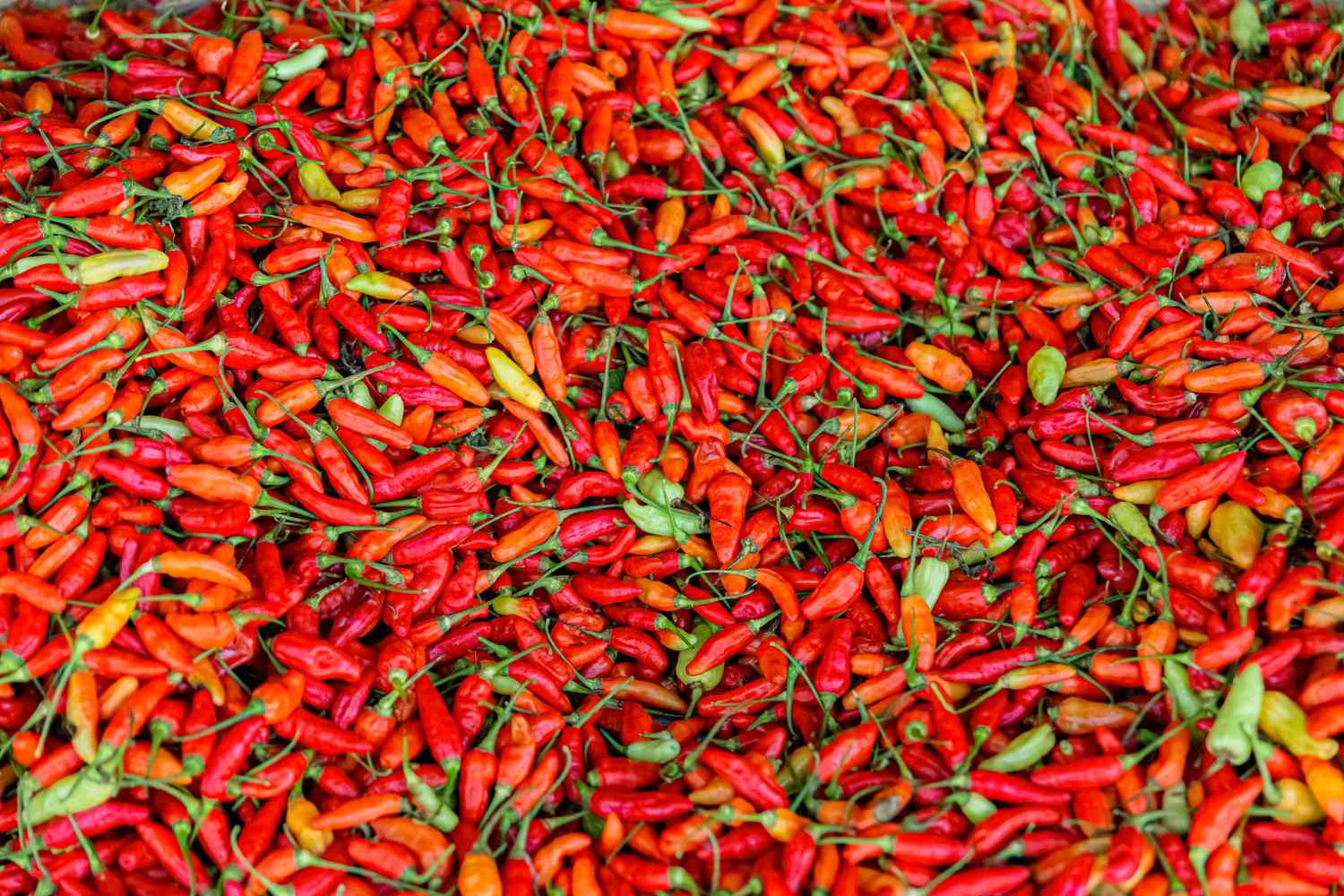
Eating spicy food regularly is usually well-tolerated and potentially beneficial for most healthy people. Many spicy foods get their heat from capsaicin, a compound found in chili peppers that produces the burning sensation you feel when you eat them.
Regular dietary capsaicin exposure through spicy foods has been associated with health benefits, such as metabolic regulation and a lower prevalence of obesity and type 2 diabetes in population studies. These findings suggest that regularly eating spicy foods can be well tolerated and may offer health benefits.
Laboratory studies indicate that your gastrointestinal system can adapt over time to regular capsaicin exposure by changing the structure and diversity of your gut microbiota. The evidence suggests that these adaptations may support the health benefits linked with capsaicin consumption.
In human and animal research, a regular diet containing capsaicin is linked to digestive benefits, including stable blood glucose levels and reduced obesity and cholesterol levels. Consuming these types of foods is also linked to broader benefits, including antioxidant, anti-inflammatory, and anti-hypertensive effects.
Adverse Effects: Possible Irritation and Discomfort
Capsaicin activates the TRPV1 nerve receptors for pain and heat in your mouth and throughout your gastrointestinal tract. When triggered, these receptors send pain and burning-sensation signals to your nervous system, which can be interpreted as discomfort or irritation in your stomach and intestines.
When capsaicin is routinely consumed at high levels, it may trigger gastrointestinal symptoms such as diarrhea, pain, and heartburn. In animal research, high doses of capsaicin have been shown to damage gut tissues and trigger inflammation in regions like the colon, jejunum (the middle part of your small intestine), and ileum (the last part of the small intestine), accompanied by increased inflammatory signaling and pain.
May Help Support Weight Management
Research indicates that eating spicy food can affect how much you eat by altering oral processing behavior and slowing eating. In a crossover study using varying amounts of capsaicin in the form of sweet and hot paprika, participants who consumed a moderately spicy meal took smaller bites, ate more slowly, and consumed about 18% fewer calories compared to eating a mildly spicy meal.
Other studies also suggest that dietary capsaicin consumption in spicy foods may be associated with increased satiety (feelings of fullness) and a decreased desire to eat after meals. This results in a reduced desire for spontaneous food intake after meals, thereby preventing overeating.
Requires Caution with Certain Gastrointestinal Conditions
Research indicates that extended exposure to large doses of capsaicin can aggravate discomfort in people with inflammatory bowel disease (IBD) and damage the gastrointestinal tract.
According to several assessments of IBS patients, TRPV1 (the receptor activated by capsaicin) and related pathways are crucially involved in symptoms like visceral hypersensitivity and abdominal pain in IBS patients. This research notes that capsaicin’s interaction with TRPV1 in the gut can influence abdominal pain and discomfort symptoms in individuals with IBS.
In one study, people with diarrhea-predominant irritable bowel syndrome (IBS-D) who consumed chili experienced significantly higher scores for nausea, warmth, abdominal pain, and burning compared with healthy individuals. This may be linked to an increase in TRPV1 sensory nerve fibers in the gut, leading to hypersensitivity and heightening pain and burning sensations from spicy foods.
:max_bytes(150000):strip_icc()/IMG_09172-9ca0040fa5e74df0b5aac42d8125d477.jpeg)