

Key Takeaways
- Miso soup may support gut, heart, and immune health through fermentation-derived compounds and soy isoflavones.
- Despite its sodium content, studies show miso soup does not raise blood pressure and may help lower cholesterol and support vascular function.
- As a low-calorie, protein-rich food, miso soup can promote satiety and support weight management.
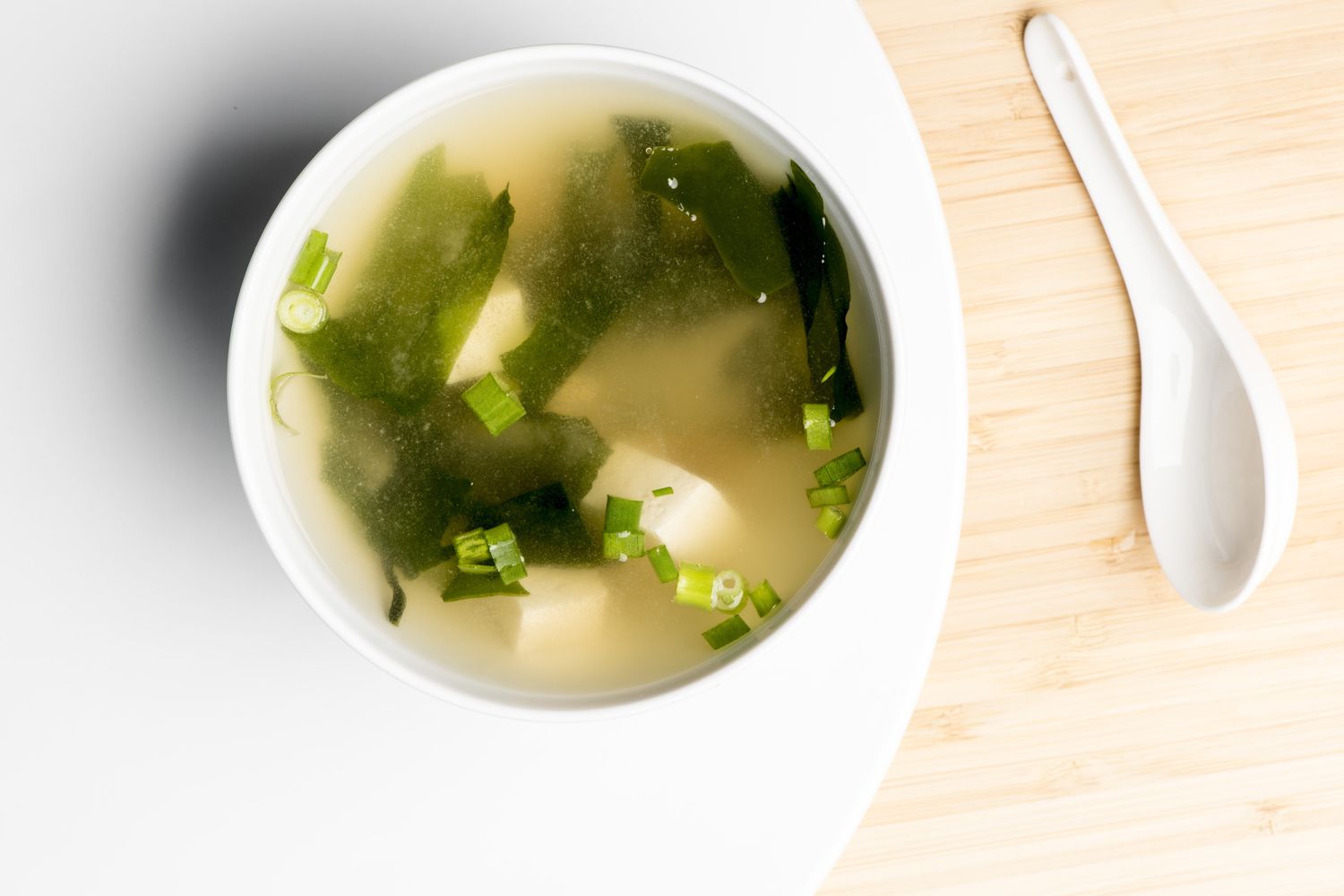
Miso soup is trending on TikTok for its gut-healing, immune-boosting effects, and potential weight-loss perks. Experts agree that eating miso soup regularly has several health benefits.
1. Probiotics May Support Gut Health
Fermented foods like miso are well-known for their digestive perks.
Amino acids in miso, such as glutamate and histidine, may help your stomach empty itself and reduce potential discomfort after meals, said Jennifer Pallian, BSc, RD, a registered dietitian and founder of Foodess.
“Daily consumption has been associated with a lower risk of gastritis, gastric ulcers, and duodenal ulcers compared with infrequent intake,” she added.
Studies also show that miso soup may lower symptoms of reflux and indigestion, even after accounting for other lifestyle factors.
“Miso contains live and active cultures, making it a non-lactose source of helpful probiotics,” said Lauren Manaker, MS, RDN, LD, a registered dietitian nutritionist and founder of Nutrition Communications.
These probiotics can boost the beneficial bacteria in your gut, promoting healthy digestion.
2. Plant Compounds May Protect the Heart
At first glance, a salty soup might not seem heart-healthy. But evidence suggests miso soup’s unique combination of nutrients may protect the cardiovascular system, including:
- Soy protein: This low-fat, low-cholesterol type of protein found in soybeans may help prevent heart disease.
- Plant sterols: These natural plant compounds may help block cholesterol absorption.
- Isoflavones: Antioxidant-like compounds in soy may support blood vessel health.
- Fermentation compounds: Beneficial byproducts created during fermentation can improve blood pressure.
While miso is salty, research shows it doesn’t raise blood pressure like plain salt. In fact, both animal studies and extensive human observations found that frequent miso soup intake was not linked to hypertension.
Studies suggest its fermentation-derived compounds may counteract sodium’s effects by calming the sympathetic nervous system, which helps keep blood pressure and heart rate in a healthier range.
3. It May Strengthen Immune Function
Manaker said the probiotics in miso also seem to support the immune system. For instance, animal studies suggest miso can increase certain immune cells that keep the body’s defenses balanced and reduce the risk of overactive inflammation.
These studies have also found that lactic acid bacteria from miso can stimulate the production of IgA, an antibody that protects the body’s mucous membranes, like the gut and respiratory tract lining. These bacteria may even help calm allergy symptoms and strengthen the skin barrier.
In other words, miso may help fine-tune the immune system by keeping it strong against threats without going into overdrive.
4. It Can Support Weight Management
If you’re looking for a light yet satisfying meal starter, miso soup delivers. According to Pallian, one tablespoon of miso paste provides about:
- 34 calories
- 2.2 grams of protein
- 1 gram of fiber
“That’s enough to promote satiety while keeping overall calorie intake low,” Pallian said.
Animal studies found that mice fed a diet with higher amounts of miso gained less body fat and had smaller fat cells than mice on lower-miso diets. When miso was combined with exercise, the effect was even more substantial. Mice showed reduced fat storage and increased activity of genes that help break down fat.
“When trying to lose weight, it is important to pay attention to one’s overall diet versus a single food,” said Manaker. “Lifestyle choices, like exercising (or not exercising), can impact weight loss success, too.”
:max_bytes(150000):strip_icc()/KFheadshot-9fe00fcb29c24a589a05cb7dea9ca150.jpeg)