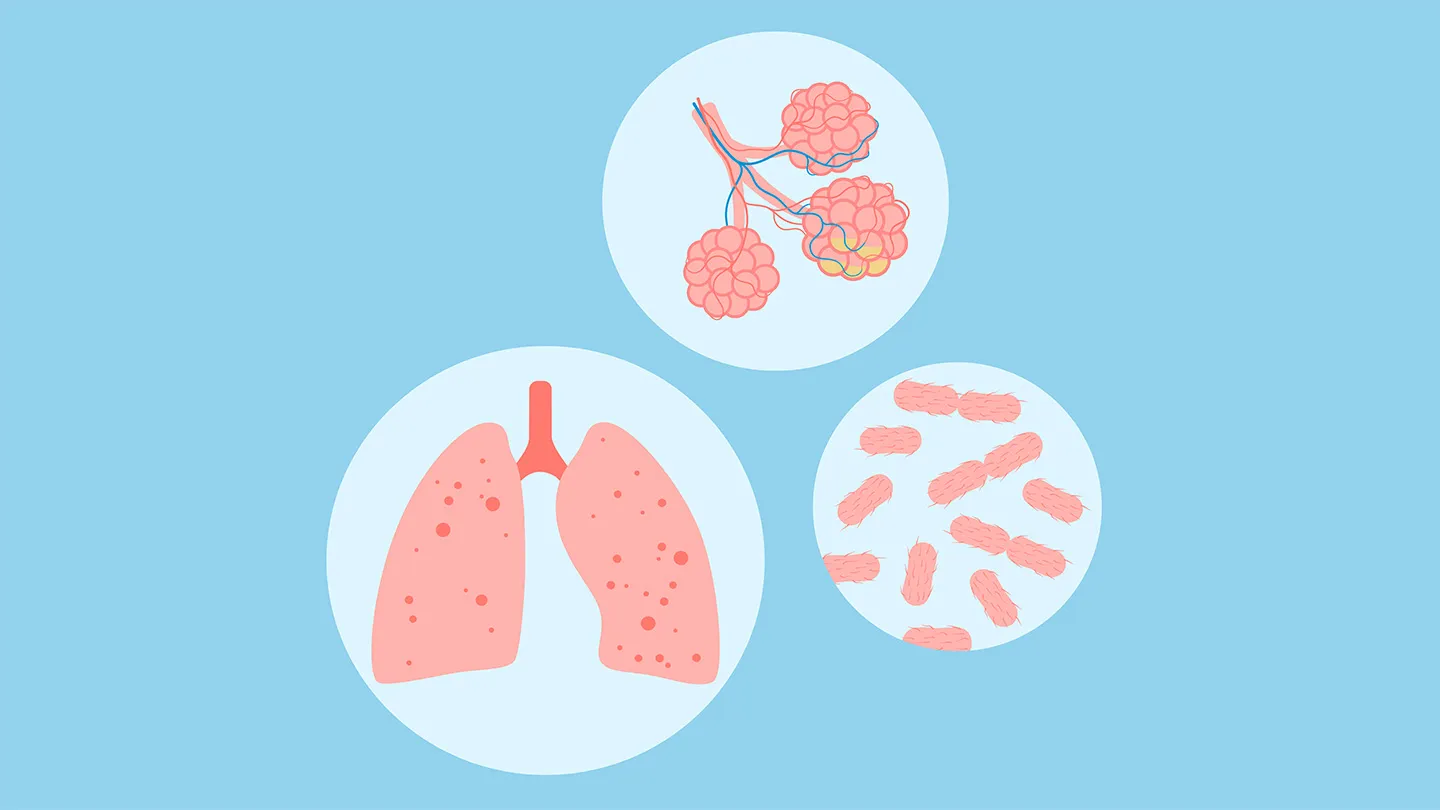
Klebsiella pneumoniae is a bacterium that normally lives inside human intestines, where it doesn’t cause disease. But if K. pneumoniae gets into other areas of the body, it can lead to a range of illnesses, including pneumonia, bloodstream infections, meningitis, and urinary tract infections. Most cases of K. pneumoniae infection occur in a hospital setting.
Signs and Symptoms of a Klebsiella Pneumoniae Infection Symptoms The symptoms of a K. pneumoniae infection differ depending on where the infection is located, and are similar to symptoms of the same diseases caused by other microbes.e60dc2a1-f33c-4a05-9b50-8e3e8e5976298fcda12a-a24d-4742-8489-07e4995abf2a For instance, meningitis from K. pneumoniae produces the hallmark symptoms of bacterial meningitis , including fever, confusion, neck stiffness, and sensitivity to bright lights. Bloodstream infections (bacteremia and sepsis ) from klebsiella can cause fever, chills, fatigue, light-headedness, and altered mental states.e60dc2a1-f33c-4a05-9b50-8e3e8e597629fb8751d3-5d22-415f-a33b-1886c5dfb3c0 Pneumonia from K. pneumoniae can result in: Fevers and chills Flu-like symptoms Cough , which may produce mucus that’s yellow, green, or bloody Breathing issues
Causes and Risk Factors of a Klebsiella Pneumoniae Infection Causes K. pneumoniae infections are typically “nosocomial” infections, which means they’re contracted in a hospital or healthcare setting. People who have weakened immune systems, or sick or injured people who are undergoing procedures for various health issues, are more likely to get a K. pneumoniae infection than the general population.e60dc2a1-f33c-4a05-9b50-8e3e8e5976299d9505d5-08f8-4829-bc4d-aaaacf7a2ba9 Healthy people usually don’t have to worry about getting K. pneumoniae infections, according to the Centers for Disease Control and Prevention (CDC). The bacteria are not airborne, so you can’t contract a K. pneumoniae infection by breathing the same air as an infected person. Infections occur when medical equipment becomes contaminated with Klebsiella pneumoniae and the bacteria finds its way into the body. For example, people on ventilators can contract klebsiella if breathing tubes are contaminated with the bacteria. Similarly, the use of contaminated intravenous catheters can lead to bloodstream infections.e60dc2a1-f33c-4a05-9b50-8e3e8e5976294f54bbf6-fae1-4d06-9e11-ccdc9a9f2142 K. pneumoniae is also spread through direct person-to-person contact, such as when someone with contaminated hands touches a wound.
How Is a Klebsiella Pneumoniae Infection Diagnosed? Diagnosis Klebsiella infections are typically diagnosed with a lab test that examines a sample of the infected tissue, such as blood, urine, or sputum (a mixture of saliva and mucus). Imaging tests, such as ultrasounds, X-rays, and CT scans, may also help your doctor with the diagnosis. For example, pneumonia caused by klebsiella typically leads to certain changes in the lungs visible on a chest X-ray, like haziness or nodules that might involve an entire lobe of a lung or lining of the lung.e60dc2a1-f33c-4a05-9b50-8e3e8e59762988324c9d-5e19-4de0-820a-0d71a1bac5fa Along with the blood tests most commonly used to identify the klebsiella infection, your doctor will also order susceptibility tests, or sensitivity analyses, to determine which antibiotics are likely to be effective at treating the infection.e60dc2a1-f33c-4a05-9b50-8e3e8e59762908efaef6-b972-4a8b-aacf-67f71c04538c
Duration of a Klebsiella Pneumoniae Infection Duration The duration of treatment for klebsiella infection varies from a few days to several months, depending on the individual, location of infection, and how early the infection is caught. Typically, the earlier the diagnosis and treatment, the better the outcome.e60dc2a1-f33c-4a05-9b50-8e3e8e5976291bd4758e-d89e-412f-afa3-d858e07da9a8
Treatment and Medication Options for a Klebsiella Pneumoniae Infection Treatment Doctors typically use antibiotics to treat K. pneumoniae infections. But the rise of antibiotic -resistant strains of the bacteria has complicated matters. Some “superbug” strains of K. pneumoniae are resistant to most antibiotics, including carbapenems, which are considered last-resort drugs. These bacteria produce enzymes called Klebsiella pneumoniae carbapenemases (KPC), which render the antibiotics ineffective. These hardy, high-threat-level microbes are part of a group called carbapenem-resistant Enterobacteriaceae , or CRE.e60dc2a1-f33c-4a05-9b50-8e3e8e59762905c488d8-c389-4ecd-a0dc-ae91d3d3d808 To treat CRE , doctors rely on several powerful antibiotics that still have some effectiveness against the bacteria, particularly when used in combination, according to a report published in Open Forum Infectious Diseases .e60dc2a1-f33c-4a05-9b50-8e3e8e597629b3956924-48e6-4b6e-9ef8-3da995846d2f These drugs include: Aminoglycosides Ceftazidime-avibactam Meropenem Eravacycline Tigecycline Colistin Fosfomycin
Prevention of a Klebsiella Pneumoniae Infection The CDC has guidelines for healthcare providers to reduce the risk of hospital-acquired infections like klebsiella. Safety measures include frequent hand-washing and use of hand sanitizer, as well as the wearing of gloves and gowns when in the rooms of patients who have klebsiella-related illnesses.e60dc2a1-f33c-4a05-9b50-8e3e8e597629afad3cc9-60d3-470d-84f1-194e4e6470ce To prevent the spread of germs, patients should also wash their hands frequently, including: Before touching their eyes, nose, or mouth Before preparing or eating food After using the bathroom After coughing, sneezing, or blowing their nose Before and after changing wound dressings and bandages After touching surfaces in the hospital like bedside tables, bed rails, doorknobs, remote controls, and the phone
Complications of a Klebsiella Pneumoniae Infection Complications If K. pneumoniae gets into other areas of the body, it can cause a range of different illnesses. These include: Pneumonia When K. pneumoniae enters the respiratory tract, it can lead to bacterial pneumonia , or an infection of the lungs. Symptoms include chest pain when you breathe or cough, fever and chills, shortness of breath, fatigue, a cough that may produce phlegm , and changes in mental awareness. It is most serious in older adults, young children, and people with a compromised immune system.e60dc2a1-f33c-4a05-9b50-8e3e8e597629bc934f37-7cc9-4cd7-97b0-c83640591715 Bloodstream infections K. pneumoniae that enters the bloodstream can cause bacteremia, or an infection of the blood. Bacteremia needs to be treated right away, as these infections can progress to sepsis and septic shock, which can turn deadly. If you’ve recently had a medical or dental procedure or are in the hospital and experience a sudden fever and chills, tell your doctor right away.e60dc2a1-f33c-4a05-9b50-8e3e8e5976299ad11fe6-cca9-481b-b0a2-501735c4185b Urinary tract infections (UTI) When K. pneumoniae enters the urinary tract, it can lead to a UTI . A UTI can affect any part of the urinary system, including the urethra, kidneys, bladder, and ureters. Symptoms include a strong, frequent need to urinate, burning sensation during urination, pelvic pain, and cloudy, bloody, or strong-smelling urine. Women are at a greater risk for UTIs than men.e60dc2a1-f33c-4a05-9b50-8e3e8e597629974ab61d-b58b-41bf-8f65-c755f694fe59 Wound and surgical site infections If K. pneumoniae enters a break in the skin, it can lead to a skin or soft tissue infection. Typically, this happens with wounds caused by injury or after surgery. Symptoms can include fever, blisters, fatigue, and pain at the wound or surgical site. Meningitis Bacterial meningitis can occur when K. pneumoniae enters the membranes surrounding the brain and spinal cord. It is a very serious infection that can be life-threatening. The bacteria can cause the tissues around the brain to swell, interfering with blood flow. This can result in paralysis or stroke. Symptoms, including high fever, headaches, and stiff neck, come on quickly, usually within 24 hours of infection. If left untreated, bacterial meningitis can lead to death.e60dc2a1-f33c-4a05-9b50-8e3e8e597629c198b81a-8fc3-4608-9673-6d93ee52f037
Research and Statistics: How Many People Get Klebsiella Pneumoniae Infections? Research and Statistics A study published in the American Journal of Medicine estimated the overall annual population incidence of klebsiella infection is 7.1 per 100,000. The researchers found elderly people and men were at highest risk of infection.e60dc2a1-f33c-4a05-9b50-8e3e8e59762972a82191-8f38-40e3-a9d8-eb8101efe974 According to the National Institutes of Health Genetic and Rare Diseases Information Center, klebsiella is responsible for 8 percent of all hospital-acquired infections.e60dc2a1-f33c-4a05-9b50-8e3e8e597629cab80c7c-a504-4e5a-b927-4808d6b5149a
Related Conditions to a Klebsiella Pneumoniae Infection Related Conditions Carbapenem-resistant klebsiella is one of the most common CREs in the United States. The other is carbapenem-resistant Escherichia coli ( E. coli ) . E. coli normally lives in the intestines, where it does not cause illness. But like klebsiella, when it gets into the respiratory tract, bloodstream, or urinary tract, it can cause dangerous and even deadly infections. Some strains of E. coli in cattle can also cause intestinal infections in humans.
The Takeaway Klebsiella pneumoniae is a type of bacteria that, though harmless in the intestines, can cause serious infections like pneumonia and bloodstream infections when it spreads to other parts of the body. Most K. pneumoniae infections occur in hospital settings, and the symptoms depend on where the infection is located in the body. Always practice good hygiene, like frequent handwashing, to reduce your risk of contracting these infections.
Resources We Trust Mayo Clinic: PneumoniaCleveland Clinic: Carbapenem-Resistant Enterobacterales (CREs)Centers of Disease Control and Prevention: About KlebsiellaNational Center for Advancing Translational Sciences: Klebsiella InfectionStatPearls: Klebsiella Pneumonia
What Is a Klebsiella Pneumoniae Infection?