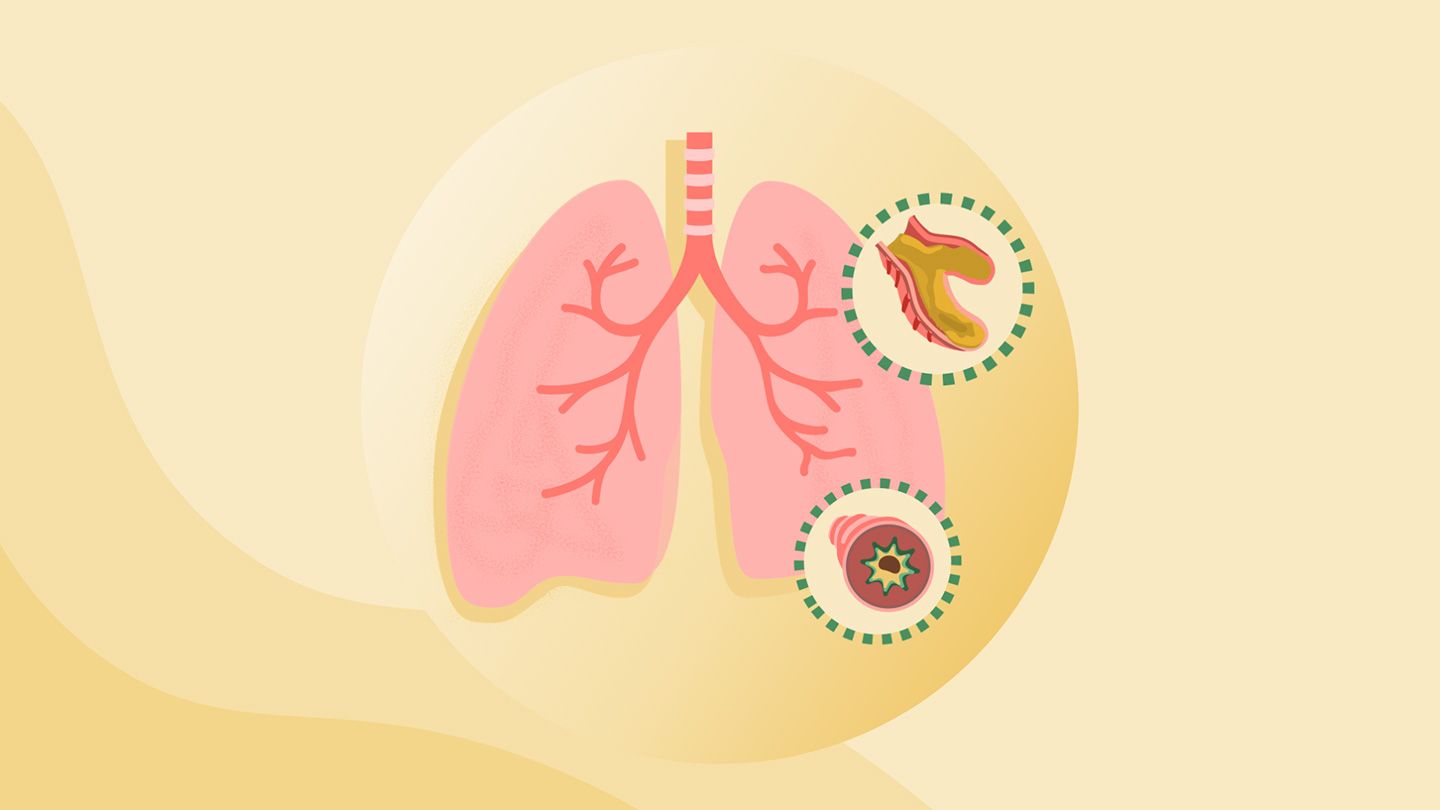
Bronchiectasis is a chronic lung condition in which your airways, or bronchi, widen permanently and become scarred. It may cause a persistent cough, large daily production of mucus (sputum or phlegm), and shortness of breath. As the damage progresses, the airways lose their ability to clear out mucus, leading to bacteria growing and multiplying. This can cause repeated infections and inflammation of the lungs that worsen bronchiectasis, creating a cycle of disease.e60dc2a1-f33c-4a05-9b50-8e3e8e597629e345521f-747d-488f-a8ca-fd75373d15f6 There is no cure for bronchiectasis, but ongoing management with medical treatment and lifestyle adjustments can improve your quality of life and prevent the condition from getting worse.e60dc2a1-f33c-4a05-9b50-8e3e8e5976291301f1a4-8208-49fc-984f-c4804863eaad
Types of Bronchiectasis Types Bronchiectasis is usually classified based on the extent and location of lung damage. Types of bronchiectasis include:e60dc2a1-f33c-4a05-9b50-8e3e8e597629365bacb4-a21a-4e13-8804-91ffc87bcb8a Cylindrical or Tubular Your airways have widened but mostly retain their original shape. This is the mildest and most common type of bronchiectasis . Varicose Your airways have an irregular, stretched appearance. Cystic Your airways develop large, cyst-like sacs filled with mucus. This is the most severe type of bronchiectasis. Bronchiectasis may also be focal, affecting one or two lung areas, or diffuse, affecting multiple areas. In some cases, bronchiectasis may result from other lung conditions. For example, fibrotic lung diseases such as interstitial lung disease cause swelling that pulls bronchi open, resulting in bronchiectasis.e60dc2a1-f33c-4a05-9b50-8e3e8e597629365bacb4-a21a-4e13-8804-91ffc87bcb8a
Signs and Symptoms of Bronchiectasis Symptoms Bronchiectasis symptoms usually develop over many years, typically after a respiratory infection, and get progressively worse.e60dc2a1-f33c-4a05-9b50-8e3e8e597629ed761afb-3611-4479-a130-b2264b328d6a Common symptoms include: Chronic, daily cough, which may last months or yearse60dc2a1-f33c-4a05-9b50-8e3e8e59762930a2d404-1437-41e7-b053-4fd2d505995e Large, daily production of sputum (saliva mixed with mucus), which is often coughed up Shortness of breath Frequent, recurrent chest infections or colds, which often worsen symptoms Coughing up blood, or hemoptysis Fever Chest pain Wheezing Fatigue Nail clubbing, in which your nails curve downward because of thickening skin and tissuee60dc2a1-f33c-4a05-9b50-8e3e8e5976294c0d441e-1123-4828-9673-8a1be43a8f00 Bad breath Pale skine60dc2a1-f33c-4a05-9b50-8e3e8e597629111f693d-3f44-4862-8a9e-e84df59cda7d
Causes and Risk Factors of Bronchiectasis Causes Bronchiectasis is the result of a cycle of airway damage, inflammation, mucus buildup, and lung infections that lead to irreversible lung changes. Airway damage and the accumulation of bacteria in the lungs can cause inflammation and infections, which widen airways even more.e60dc2a1-f33c-4a05-9b50-8e3e8e597629d88e2431-342c-4135-af9c-da5b8dc0a19b This cycle of lung damage can be touched off by a wide variety of factors, including genetic conditions, infections, and environmental contaminants. In about 40 percent of cases, the initial cause of bronchiectasis is unknown.e60dc2a1-f33c-4a05-9b50-8e3e8e597629d88e2431-342c-4135-af9c-da5b8dc0a19b Known causes include:e60dc2a1-f33c-4a05-9b50-8e3e8e597629bc46088b-b2c8-48aa-9a1e-7c5d4ea8f8b6 Severe or recurrent respiratory infections Genetic conditions that can affect the lungs, such as cystic fibrosis , primary ciliary dyskinesia, and alpha-1 antitrypsin deficiencye60dc2a1-f33c-4a05-9b50-8e3e8e5976295706968b-a238-431c-bac9-e3377d1cb973 Cancers such as leukemiae60dc2a1-f33c-4a05-9b50-8e3e8e5976295706968b-a238-431c-bac9-e3377d1cb973 Conditions or medications that weaken the immune system, including HIV and medications used after organ transplants Autoimmune or inflammatory diseases such as rheumatoid arthritis , Sjögren’s syndrome , inflammatory bowel disease, and lupuse60dc2a1-f33c-4a05-9b50-8e3e8e597629be964f53-8eef-41c9-9a39-b28c0cae7c12 Chronic pulmonary aspiration, the inhalation of substances such as food particles and digestive fluids that inflame the airwayse60dc2a1-f33c-4a05-9b50-8e3e8e597629d88e2431-342c-4135-af9c-da5b8dc0a19b Airway obstruction from tumors or foreign objectse60dc2a1-f33c-4a05-9b50-8e3e8e597629cb962969-c0f3-40ba-8526-58628995d8a3 Allergic bronchopulmonary aspergillosis, an allergic fungal reaction Environmental exposure, including smoke or toxin inhalation Infections with tuberculosis , which can cause severe or repeated lung infections, or other mycobacteria Lung diseases such as chronic obstructive pulmonary disease (COPD) and asthma
How Is Bronchiectasis Diagnosed? Diagnosis Diagnosing bronchiectasis begins with a thorough review of your symptoms and medical and family history. Your healthcare provider may perform a number of other tests to assist with diagnosis and check for infections, underlying conditions, and immune system function. These may include:e60dc2a1-f33c-4a05-9b50-8e3e8e5976291ff99580-73ec-4b44-9f72-6f43f19a3eed Chest X-ray or computed tomography (CT) scans to image your lungs and spot any airway dilation and structural changes Sputum culture to identify bacteria or fungi in your airways Lung function tests to assess your airflow and lung capacity Blood tests to look for infections (including HIV) and evaluate immune function Bronchoscopy, a procedure to look closely at your airways and remove any obstructions using a bronchoscope, a long, flexible tube with a light and camera at the end Specific tests for various immune system and autoimmune disorders and other conditionse60dc2a1-f33c-4a05-9b50-8e3e8e5976293047b502-af2f-4ac8-87a7-8bdb0fee6657
Treatment and Medication Options for Bronchiectasis Treatment Bronchiectasis can be treated but not cured.e60dc2a1-f33c-4a05-9b50-8e3e8e597629b2815548-8908-4732-88c8-8f7cf9934005 The primary goal of bronchiectasis treatment is to keep the airways clean, thereby reducing the risk of infections, which can lead to worsening lung damage.e60dc2a1-f33c-4a05-9b50-8e3e8e5976292f2f494e-7d8a-4555-a7af-048a10b563efe60dc2a1-f33c-4a05-9b50-8e3e8e597629fa887242-cda2-425e-8199-3cf0bffdab85 Airway Clearance Clearing mucus from airways is the most commonly recommended preventive treatment, and many people with the condition develop a once- or twice-daily airway clearance ritual. By keeping the airways clear of mucus, you can prevent bacterial infections from developing. Some people will be able to perform airway clearance by themselves using a variety of breathing techniques, while others will need support from professionals or specialized devices. Airway and mucus clearance may involve:e60dc2a1-f33c-4a05-9b50-8e3e8e597629fa887242-cda2-425e-8199-3cf0bffdab85 Active cycle of breathing technique (ACBT), a type of deep breathing exercise that can be performed at homee60dc2a1-f33c-4a05-9b50-8e3e8e597629a86d9425-97e0-4714-b60d-46d33392749c Forced expiration technique (FET), or huffing, which involves taking a breath and quickly breathing out with an O-shaped mouth as if to fog up a mirrore60dc2a1-f33c-4a05-9b50-8e3e8e59762954dcb1bd-516b-4475-a37d-4dbe0d74ff80 Chest physical therapy, also known as chest physiotherapy and percussion, in which a therapist or trained caregiver taps or gently pounds your chest and back to loosen and drain the mucus from your lungse60dc2a1-f33c-4a05-9b50-8e3e8e597629c1117e6d-117a-4995-80c0-ce0e86c936d8 Postural drainage, which involves huffing while lying with your chest lower than your abdomene60dc2a1-f33c-4a05-9b50-8e3e8e59762954dcb1bd-516b-4475-a37d-4dbe0d74ff80 Handheld devices, masks, and therapy vests that help loosen mucus with vibration or high-frequency airwaves technologies such as oscillating positive expiratory pressure (PEP) and intrapulmonary percussive ventilation (IPV)e60dc2a1-f33c-4a05-9b50-8e3e8e59762954dcb1bd-516b-4475-a37d-4dbe0d74ff80 Medication: Treatments for Symptoms and Infections Various medications can help manage symptoms, infections, and underlying conditions, including:e60dc2a1-f33c-4a05-9b50-8e3e8e597629c1117e6d-117a-4995-80c0-ce0e86c936d8 Antibiotics (pills, inhaler, or intravenous), to fight infections Bronchodilators, inhalers to relieve airway narrowing and ease breathing Inhaled corticosteroids that reduce airway inflammation Mucus thinning drugs (mucolytics) and expectorants, often delivered through a nebulizer Macrolides, which treat infections and reduce inflammatione60dc2a1-f33c-4a05-9b50-8e3e8e597629b2815548-8908-4732-88c8-8f7cf9934005 Medication: Disease-Modifying Treatment There is one medication approved by the U.S. Food and Drug Administration (FDA) to treat bronchiectasis specifically: brensocatib (Brinsupri) . It targets enzymes associated with inflammation in people with non-cystic fibrosis bronchiectasis, helping reduce flare-ups and slow disease progression.e60dc2a1-f33c-4a05-9b50-8e3e8e59762954dcb1bd-516b-4475-a37d-4dbe0d74ff80 For people with cystic fibrosis–related bronchiectasis, long-term macrolide therapy may also help reduce flare-ups and slow lung function decline.e60dc2a1-f33c-4a05-9b50-8e3e8e597629f06497c4-8584-4881-a246-0e5f2b4d9b42 Other Treatments If you have severe issues from bronchiectasis, you may need more advanced treatments, such as:e60dc2a1-f33c-4a05-9b50-8e3e8e597629f06497c4-8584-4881-a246-0e5f2b4d9b42 Oxygen therapy, a treatment providing supplemental oxygen (with an oxygen tank and mask) if you experience low blood oxygen levelse60dc2a1-f33c-4a05-9b50-8e3e8e59762954dcb1bd-516b-4475-a37d-4dbe0d74ff80 Bronchial artery embolization, a technique that uses a catheter to inject a substance that blocks a bleeding blood vessel, if you have significant bleeding with cough Lobectomy, a surgical procedure to remove a section of the lung that is experiencing significant bleedinge60dc2a1-f33c-4a05-9b50-8e3e8e597629ec395515-91d2-4de2-9a86-fc38fd7aad4b Lung transplant, which is reserved for end-stage disease, mostly people with advanced cystic fibrosis
Lifestyle Changes for Bronchiectasis Lifestyle Changes Bronchiectasis is a lifelong condition, but certain lifestyle changes can help reduce symptoms and infections, prevent disease progression, and improve your quality of life. Infection Prevention and Hygiene When you have bronchiectasis, preventing respiratory infections can help slow or stop the cycle of disease. It’s also important to avoid exposing your lungs to substances that can potentially cause inflammation, which can damage the airways and perpetuate bronchiectasis. Helpful habits may include: Do not smoke and avoid secondhand smoke.e60dc2a1-f33c-4a05-9b50-8e3e8e597629d385826b-dc9b-46f2-9039-7f4b93d366d4 Minimize exposure to fumes and pollution.e60dc2a1-f33c-4a05-9b50-8e3e8e597629d385826b-dc9b-46f2-9039-7f4b93d366d4 Stay current on routine vaccinations for infectious respiratory diseases, including influenza, COVID-19, pneumonia, and pertussis (whooping cough).e60dc2a1-f33c-4a05-9b50-8e3e8e5976291ed1767e-cd90-4617-9217-30b2b3a05f7b Maintain good hygiene to reduce your risk of infections, such as by frequently washing your hands, especially before eating, and avoiding crowded spaces during cold and flu season. Stay away from people with respiratory infections, including the cold and flu.e60dc2a1-f33c-4a05-9b50-8e3e8e59762951ffbe0a-b6c6-4d78-be7f-88e9c3adf2d7 Don’t use mineral oil or petroleum jelly near your nose to avoid accidentally inhaling the substances into the lungs.e60dc2a1-f33c-4a05-9b50-8e3e8e59762963bddc41-e70d-4233-9686-bb084917fedc Hydration and Diet Your hydration and diet can affect the quality of your mucus, your body’s overall levels of inflammation, and your immune system’s ability to fight infections, all of which play a role in bronchiectasis. Ways to stay healthy include:e60dc2a1-f33c-4a05-9b50-8e3e8e597629313e292c-3a6f-4d5a-9493-63ec22861339 Drink plenty of water to help keep mucus thinner and easier to clear. Consider a diet high in vegetables, fruits, whole grains, or lean proteins and low in sodium, added sugar, saturated fats, and refined grains. Maintain adequate levels of dietary vitamin D through supplements, fish such as salmon and mackerel, mushrooms, and milk; ask your doctor about the right way to get the vitamin D you may need. Exercise Regular physical activity may improve mucus clearing from the airways and shortness of breath and reduce flare-ups. Start slowly and gradually increase activity over time. Your exercise program may include:e60dc2a1-f33c-4a05-9b50-8e3e8e5976295356517c-a696-453d-b185-4dc3a5a98535 Aerobic activities such as walking, swimming, dancing, and bike riding Strength-training exercises, including those using hand weights and resistance bands, as well as calisthenics such as push-ups and isometric exercises such as planks Warm-up and cooldown stretches
Prognosis and Outlook for Bronchiectasis Prognosis Bronchiectasis damage cannot be reversed, and your prognosis varies depending on its cause, disease severity, your access to medical care, and other medical conditions you may have. When treated early and aggressively, people with bronchiectasis can expect to live a full life with normal life expectancy.e60dc2a1-f33c-4a05-9b50-8e3e8e597629cfd04e1d-d16f-4d37-ac30-a32b2c656b8e While some research suggests that some people with bronchiectasis may have an increased risk of death from the condition, more long-term, large-scale studies across various populations are needed to understand mortality risks better.e60dc2a1-f33c-4a05-9b50-8e3e8e59762965bff33c-933a-4743-bf87-8448089bd506e60dc2a1-f33c-4a05-9b50-8e3e8e597629d8c012d7-b6a5-4773-addd-a938ff1b270e Your prognosis may be more serious because of factors such as:e60dc2a1-f33c-4a05-9b50-8e3e8e59762956023b96-2a12-44cc-8680-9ec595602b3ee60dc2a1-f33c-4a05-9b50-8e3e8e59762995377385-097f-4262-b65f-72150d6378a5 A history of smoking and low lung function Cystic fibrosis Coexisting conditions such as chronic bronchitis or emphysema Complications such as high blood pressure in the arteries of your lungs or enlargement and failure of the right ventricle of your heart Poor access to treatment
Complications of Bronchiectasis Complications The primary complication of bronchiectasis are the frequent reoccurring respiratory infections that threaten to make the condition worse. If bronchiectasis advances, additional complications may develop. Your lungs respond to ongoing inflammation and low oxygen levels by growing new, fragile blood vessels along the airway walls, a process called neovascularization. But these vessels rupture easily, causing hemoptysis (coughing up of blood), sometimes in life-threatening amounts. The same process can also raise blood pressure in the lungs, causing pulmonary hypertension. Over time, pulmonary hypertension can strain the right side of the heart (cor pulmonale), leading to heart failure or respiratory failure in severe cases.e60dc2a1-f33c-4a05-9b50-8e3e8e597629d606ed81-321a-47f1-bda3-69ef23af7937 Frequent infections and treatment with antibiotics may lead to antibiotic-resistant bacterial infections.e60dc2a1-f33c-4a05-9b50-8e3e8e597629790d84c8-2d4d-45c9-ade4-9a87f169c6fc When antibiotic-resistant bacteria build up in the airways, the resulting inflammation can cause symptom flare-ups and worsening lung function.e60dc2a1-f33c-4a05-9b50-8e3e8e5976299c8b5165-5cad-4ef6-8a36-be8e48581315 Chronic inflammation from bronchiectasis can also contribute to muscle loss and unintended weight loss over time.e60dc2a1-f33c-4a05-9b50-8e3e8e5976292b23324d-1a73-4e4b-b057-0311295b2b9d Complications can also develop from having too much mucus in the airways. If the mucus is too thick or blocks the airway, part of the lung may collapse. This condition, called atelectasis, can worsen shortness of breath.e60dc2a1-f33c-4a05-9b50-8e3e8e5976292c492516-04ed-4340-8880-6a21bf5ec810 Other potential complications from bronchiectasis include:e60dc2a1-f33c-4a05-9b50-8e3e8e59762908a97e33-fb02-4705-92f9-259ff4dec6be Pneumonia Lung abscesses Empyema, or pus in the space between the lungs and chest wall Bloodstream infections Recurrent pleurisy, inflammation of the membranes around the lungs Secondary amyloidosis, or abnormal buildup of proteins in tissues and organs
Support for People With Bronchiectasis Support Bronchiectasis & NTM Association This group offers various education materials and resources for people living with bronchiectasis and nontuberculous mycobacteria (NTM). It includes a listing of local support groups, an online community group, and meetup opportunities. NTM Info & Research (NTMir) A nonprofit organization serving patients and caregivers dealing with NTM, NTMir offers various ways for people with NTM and bronchiectasis to connect and support one another. The group has online resources and information, virtual and in-person support groups, physician referral lists, and more.
The Takeaway When you have the chronic lung condition bronchiectasis, your airways are permanently widened and scarred, trapping mucus and increasing your risk of infection. Symptoms typically take a while to develop but often occur after a respiratory infection. They may include coughing up blood and sputum, shortness of breath, and fatigue. Bronchiectasis has many different causes, including hereditary conditions, pollutants, and infections. About 40 percent of people with bronchiectasis do not know why they developed it. Although there is no cure for bronchiectasis, clearing airways, taking medications, and lifestyle changes can help you manage its symptoms and stop it from getting worse.
Resources We Trust Cleveland Clinic: BronchiectasisAmerican Lung Association: Newly Diagnosed With BronchiectasisBronchiectasis & NTM Association: Diagnostic Testing and EvaluationNational Heart, Lung, and Blood Institute: Bronchiectasis: Causes and Risk Factors Columbia University: Guide to Bronchiectasis
What Is Bronchiectasis?