

Key Takeaways
- Rhus tox is a homeopathic remedy derived from the poison oak plant that is traditionally used for muscle and joint pain and to prevent or relieve poison ivy rashes.
- Research into the effects and usefulness of Rhus tox is limited and insufficient to support its use in treating any condition.
- Rhus tox is not approved or regulated by the FDA to the same level of oversight as traditional medicines and should not be used to replace conventional treatments or postpone an evaluation by a healthcare provider.
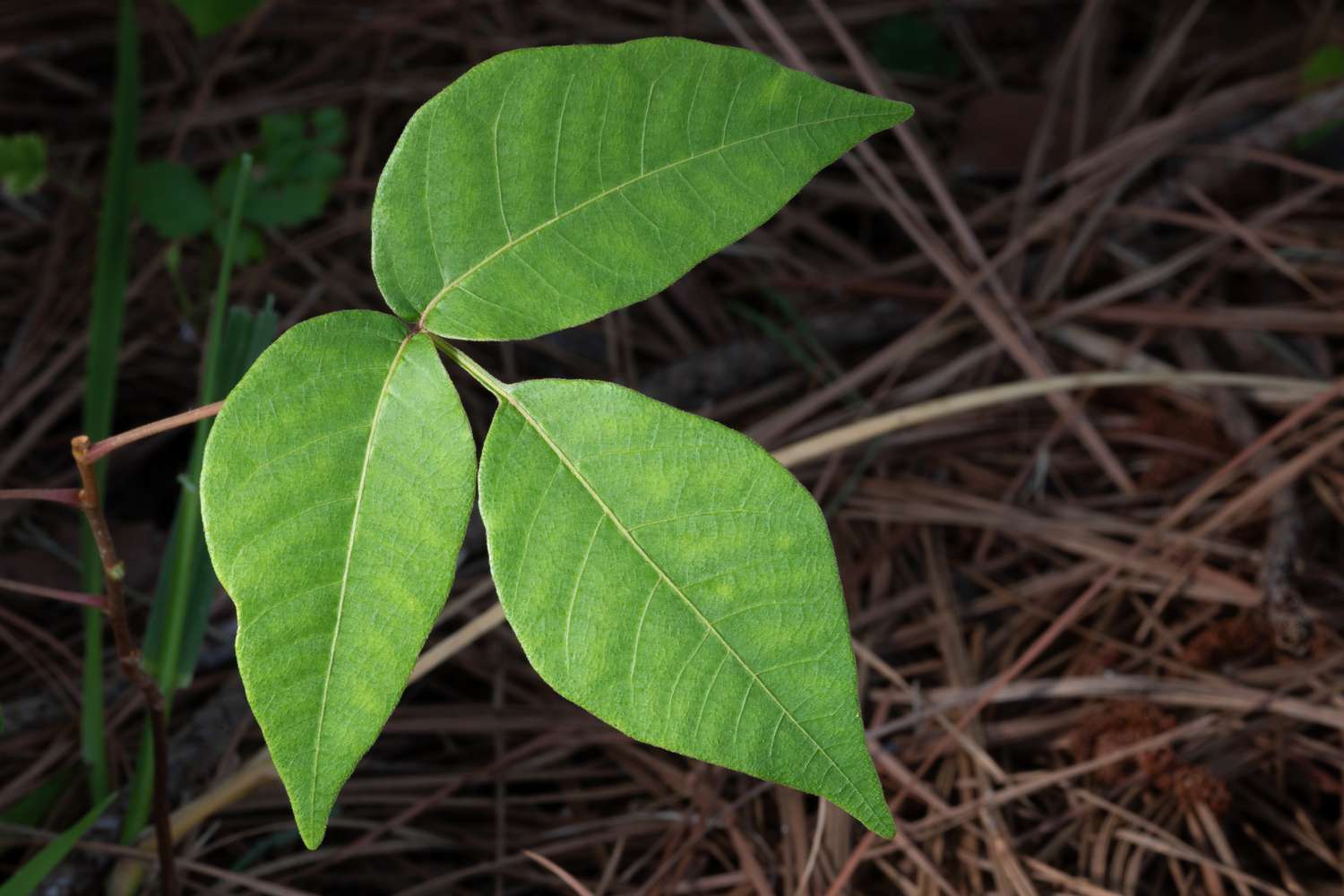
Rhus tox, also known as Rhus toxicodendron, is a homeopathic remedy derived from the poison oak plant, traditionally used for joint and muscle pain and relieving or preventing poison oak or poison ivy rash. While Rhus tox remains a popular homeopathic treatment, the limited scientific evidence on its effects is inconclusive.
gsagi / Getty Images
What Is Rhus Tox Used For?
Rhus tox is typically used as a homeopathic remedy for conditions that involve musculoskeletal pain or stiffness. It is also used for skin eruptions similar to poison ivy or oak rash. Some potential uses include:
- Joint and muscle pain: To improve mobility and reduce stiffness in arthritis that improves with activity but worsens in cold, wet conditions
- Skin issues: To relieve irritated and itchy skin due to conditions such as contact dermatitis or herpes
- Flu and cold: To reduce symptoms
- Digestion: For digestive issues like nausea and vomiting
- Respiratory problems: For respiratory symptoms such as chest discomfort or sore throat
- Menstrual issues: To manage abdominal pain, cramps, and heavy menstrual bleeding
- Emotional and mental health: To calm the mind and relieve feelings of sadness or anxiety
What Does the Science Show?
There’s some mixed evidence about the effectiveness of Rhus tox in treating certain conditions. Randomized clinical trials are needed to confirm the safety and efficacy of these potential benefits:
- Impact on inflammatory response: Dilution of Rhus tox may increase levels of cyclooxygenase-2 (COX-2) and prostaglandin E2 (PGE2), both of which are involved in inflammation. More research is required to determine if Rhus tox is associated with regulating inflammation.
- Prevention of poison ivy/oak dermatitis: Some studies suggest that taking Rhus tox orally could help prevent severe, recurrent poison ivy dermatitis, especially if started a month before possible exposure. However, this protection is temporary and needs further study.
- Symptom relief for arthritis. Research comparing a homeopathic gel containing Rhus tox to a gel of piroxicam, a nonsteroidal anti-inflammatory drug (NSAID), for the treatment of osteoarthritis in humans showed the treatments to be equally effective and well-tolerated. However, further study is needed.
- Immunomodulating properties. In immune-suppressed mice, Rhus tox iimproved blood and cytokine balance, indicating potential as an adjunctive therapy for immune-related conditions.
How Is It Made?
In homeopathy, substances linked to a disease or symptom are extracted and used to create a highly diluted solution intended to treat that disease or symptom.
Rhus tox is made from the plant Toxicodendron pubescens, also known as poison oak. It is prepared using various methods, based on the desired outcome and potency. This process eliminates the toxic elements from the plant while ensuring the final product remains effective.
Preparation of Rhus tox involves the following steps:
- Fresh leaves, stems, and flowers of the poison oak plant are crushed and soaked in water or alcohol to create the mother tincture, a concentrated solution.
- The mother tincture is diluted in water or alcohol multiple times to reduce the strength of the poison oak compounds while retaining its useful properties.
- After each dilution, the product is shaken vigorously using a process called succussion, which enhances the effectiveness of the final product.
- After several rounds of dilution and succussion, the Rhus tox is formed into a liquid, tablet, or pellet.
What Are Possible Side Effects and Risks?
Homeopathic products, including Rhus tox, are not approved or regulated by the Food and Drug Administration (FDA) with the same level of oversight as traditional medicines.
Homeopathic remedies carry the risk of unknown side effects and adverse reactions and may include excessive amounts of substances that can have negative effects or interfere with prescription drugs.
The following potential side effects and risks are associated with the use of Rhus tox:
- Allergic/contact dermatitis: Rhus tox contains urushiol, an oily compound that can cause allergic contact dermatitis, a condition marked by itching, skin inflammation, blistering, and burning sensations.
- Systemic contact dermatitis via ingestion: A South Korean study reported the onset of generalized rash (maculopapular eruption), blood count changes like neutrophilia/leukocytosis, and systemic symptoms in people who ingested Toxicodendron (“rhus chicken”)—about four days after ingestion.
While small-scale, uncontrolled studies suggest some benefits to using Rhus tox, potential risks and the lack of controlled trials limit the reliability of this treatment. To reduce your risk of adverse effects, consult your healthcare provider about using Rhus tox safely.
Generally, the following individuals should avoid using this treatment:
- People allergic to poison ivy and its related plants: People with allergies to poison ivy, poison sumac, or poison oak have a higher risk of severe allergic reactions to Rhus tox due to the presence of urushiol in these plants, despite it being highly diluted.
- Children: There is a lack of research on the safety and efficacy of this treatment in children.
- People with autoimmune disorders: Having an autoimmune condition may increase your risk of exacerbated symptoms.
- Pregnant or nursing people: No studies have established the safety of Rhus tox during pregnancy and lactation.
- People taking certain medications: Immune-modulating and anticoagulant drugs may interact negatively with Rhus tox.
:max_bytes(150000):strip_icc()/IMG_09172-9ca0040fa5e74df0b5aac42d8125d477.jpeg)