

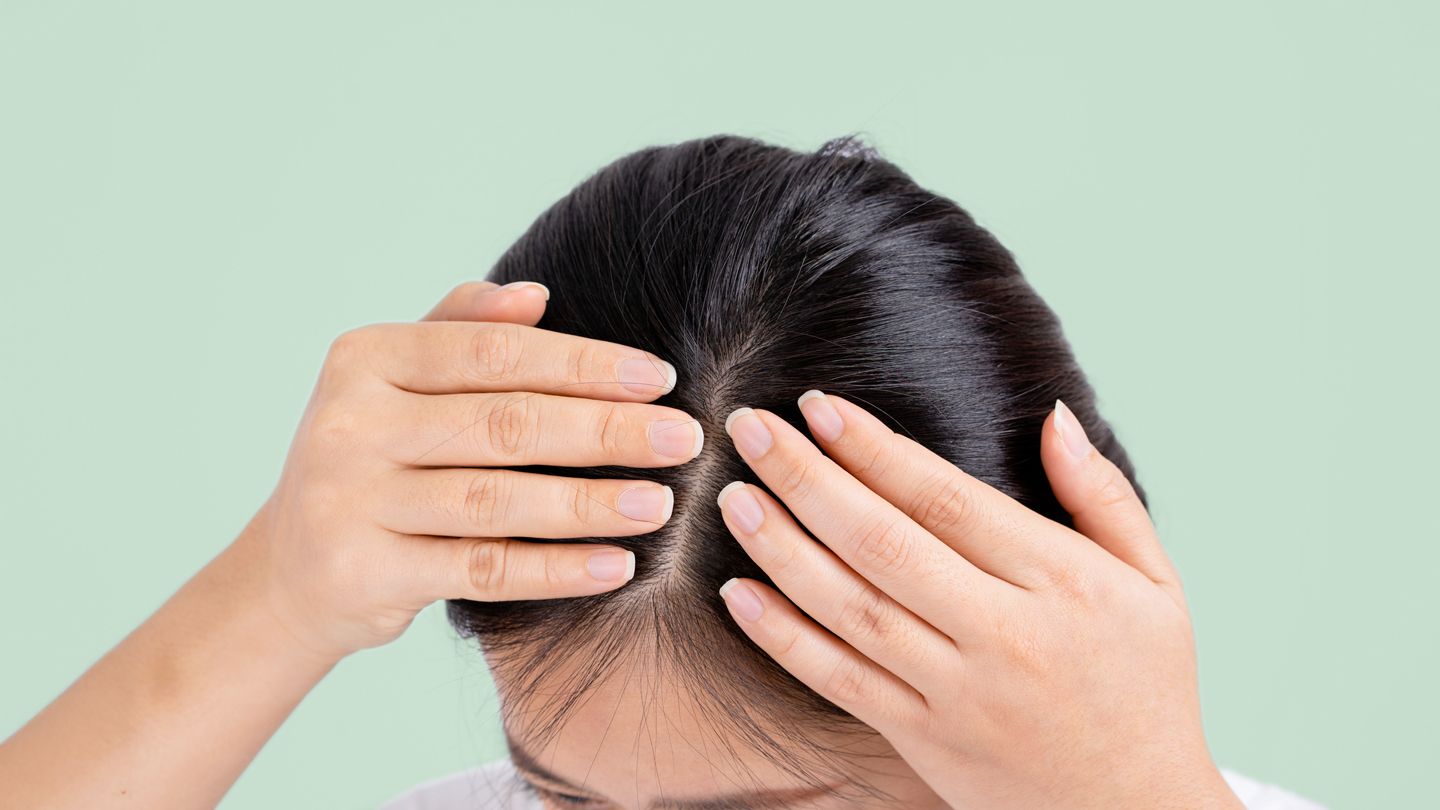
While your hair tends to steal the spotlight, the skin underneath is just as important. In some cases, your scalp provides clues about your overall health or an underlying condition — especially if you notice persistent or new changes.
“Your scalp is living skin with hair follicles, oil glands, nerves, and immune cells,” says Leonardo Tjahjono, MD, a board-certified dermatologist and an assistant professor of dermatology at George Washington School of Medicine in Washington, DC. “A healthy scalp supports healthy hair growth, protects against infection, and maintains comfort. But when the scalp is inflamed, infected, or imbalanced, it can lead to itching, flaking, hair shedding, or even scarring and hair loss if left untreated.”
Fortunately, many scalp symptoms are easy to treat and prevent. Here are the most common scalp issues you might experience, and what to do about them.
1. Persistent Itching or Irritation
Scalp itchiness and irritation are common complaints — but that doesn’t minimize their impact.
“Chronic discomfort and chronic itch on your scalp can really affect quality of life, and that can spill over into so many areas of your general wellness,” says Deirdre Hooper, MD, a board-certified dermatologist at Audubon Dermatology in New Orleans.
That itch can feel slightly different for everyone, says Adam Friedman, MD, a professor and the chair of dermatology at George Washington School of Medicine in Washington, DC. “Itch can range from a mild ‘need-to-scratch’ feeling to burning, stinging, tenderness, or a crawling or tingling sensation, sometimes flaring with sweat, heat, stress, or new hair products or services,” he explains.
What to do: Dr. Friedman suggests trying several at-home options for mild scalp itch and irritation, including:
- Switching to a shampoo with minimal added fragrances
- Trying an anti-dandruff shampoo if flaking and oiliness are also present
- Avoiding aggressive scratching, harsh scrubs, and products with essential oils
Consider seeing a dermatologist if a persistent itch lasts longer than two to three weeks, or if it’s intense, bleeding, or painful, Friedman says. Depending on the underlying cause, they may recommend prescription topical corticosteroids (anti-inflammatory drugs), antifungal solutions, or oral antibiotics.
2. Flaking and Dandruff
- Ketoconazole
- Zinc pyrithione
- Salicylic acid
- Sulfur
- Selenium sulfide
- Coal tar
3. Excessive Oiliness or Greasiness
Other potential explanations for an oilier-than-normal scalp include overwashing or underwashing your hair, or hair product buildup, Dr. Tjahjono says.
If you notice product buildup on your scalp, use your fingertips (not fingernails) to massage a gentle scalp scrub into your head in the shower before rinsing, Hooper suggests.
See a healthcare provider if oiliness is paired with itching, odor, redness, or hair loss, Tjahjono says.
4. Unusual Dryness or Tightness
Unusual scalp dryness or tightness can feel uncomfortable and cause flakiness without redness or increased sensitivity, Tjahjono says.
The potential culprits include environmental or lifestyle factors, such as exposure to cold weather or the use of harsh hair products.
What to do: According to Tjahjono, dryness and tightness can be resolved with the following steps.
- Switch to a gentle shampoo (such as one labeled “sulfate-free”).
- Wash your hair less often.
- Use a scalp moisturizer or oil as needed.
5. Redness, Bumps, or Sores
What to do: Start by giving your scalp a chance to heal on its own. “Stop irritating products, keep your scalp clean, and avoid picking at it,” says Tjahjono.
6. Hair Shedding or Thinning
What to do: Mild cases of hair thinning can be treated with lifestyle strategies such as eating a nutritious diet, getting enough sleep, managing stress, giving tight hairstyles a break, or OTC topical treatments like minoxidil (Rogaine), Hooper says. “Over-the-counter minoxidil can be a game changer — and you can get it right away because it’s available everywhere.”
For any noticeable hair shedding that lasts more than a month, Hooper recommends seeing a healthcare provider, who can get to the bottom of an underlying cause and offer prescription-strength topical or oral medications.
7. Unusual Odor
Scalp odor can be a hygiene issue — or it can be a sign of an underlying scalp condition.
For some people, a musty, sour, or yeasty smell emanating from the scalp may be due to excess oil and sweat, Tjahjono says.
What to do: Scalp odor from excess oil and sweat can be resolved by washing your hair regularly and avoiding heavy hair products, Tjahjono says.
In other instances, though, a smelly scalp might be the result of a yeast overgrowth, bacterial infection, or autoimmune condition like scalp psoriasis. “Consider seeking medical treatment if scalp odor persists despite good hygiene or if it’s associated with pain, drainage, or sores,” says Tjahjono, noting that a healthcare provider might recommend a medicated shampoo, topical treatment, or prescription medication, depending on the underlying cause.
The Takeaway
- An unhealthy scalp may be inflamed, itchy, flaky, oily, or have open sores.
- These scalp symptoms can stem from causes like irritation, allergic reactions, infections, and skin conditions, such as seborrheic dermatitis, psoriasis, or scarring alopecia.
- If your scalp is uncomfortable or symptoms worsen, be sure to consult a dermatologist. Treatment will depend on the underlying cause.
- Your doctor may recommend prescription medications or prevention strategies, such as regular washing and OTC topical solutions, to help maintain scalp health, and may also suggest lifestyle changes (such as diet, sleep, or stress management) to support underlying conditions.