

Key Takeaways
-
If someone is having a stroke, call 911 immediately.
-
Use the FAST method to check for stroke symptoms, including face drooping and arm weakness.
-
Don’t drive the person to the hospital or give them medication or food.
Witnessing someone have a stroke can be a frightening experience. Because they can cause so much damage and lead to long-term disability or death, it’s important that everyone know the symptoms and what to do in the case of a stroke.
This article discusses what you should know about strokes, including warning signs, what to do, and what not to do if someone has a stroke.
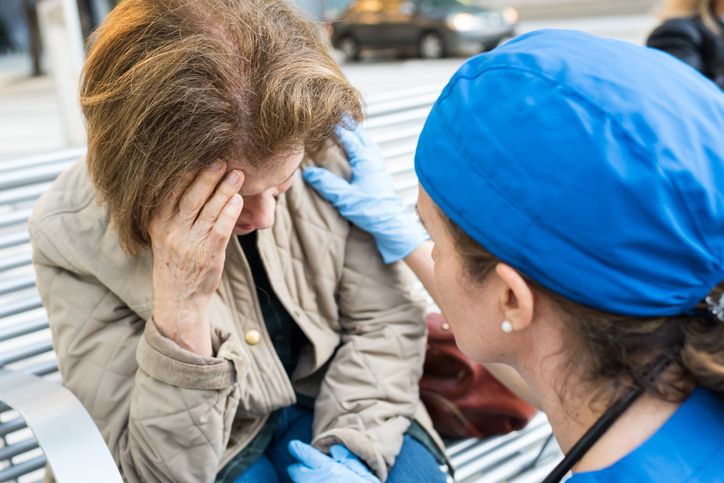
Juanmonino / Getty Images
Stroke Symptoms
Sudden changes or symptoms that might indicate a stroke include:
- Numbness and weakness of the face, arms, or legs, especially on one side of the body
- Confusing speech or trouble speaking
- Difficulty seeing in one or both eyes
- Difficulty walking, loss of balance, or coordination issues
- Severe headache with unknown cause
What to Do
If you suspect that someone is having a stroke, call 911 as soon as possible.
Use the FAST method to identify stroke warning signs, which include:
Verywell / Theresa Chiechi
- “F” for face drooping: Is one side of the face drooping, or is the smile uneven?
- “A” for arm weakness: Can the person lift both arms evenly? Does one arm drift downward?
- “S” for speech difficulty: Is speech slurred or garbled? Can they not speak at all?
- “T” for time to call 911: If the answer is yes to any of these questions, call 911 immediately.
When contacting emergency services, clearly state that it may be a stroke. Additional steps to take include:
- Remember when the symptoms began, if possible: If you know or can remember, inform the paramedics when the symptoms began or if the patient has just woken up from a night of sleep. Having a time of symptom onset is helpful for healthcare providers to decide the best treatment options.
- Track their symptoms: Be prepared to tell emergency personnel what the person’s symptoms are.
- Talk to the patient calmly: Assure them that help will be there soon.
- Perform CPR, if needed: Check the person’s pulse and make sure they are breathing.
When the paramedics arrive, communicate as clearly as possible about the events leading up to and including the patient’s stroke symptoms.
What Not to Do
In the event of a stroke, there are also several things you should not do, including:
- Do not drive them to the hospital: An ambulance can provide life-saving care more quickly and triage the patient on the way to the hospital so they can begin treatment immediately upon arrival.
- Don ot give medication: The type of stroke a person is having will determine what kind of medication they should receive. It’s impossible to know that information without diagnostic imaging at the hospital.
- Do not give the person food or drink: Strokes can cause a loss of muscle control in the face and neck and increase the risk of choking.
After a Stroke
It’s essential to keep the home safe for people who are recovering from a stroke. Some of the difficulties that a stroke patient may have include:
- Weakness or numbness on one or both sides of the body
- Paralysis on one or both sides of the body
- Poor balance and coordination
- Memory loss
- Fatigue
- A loss of bladder or bowel control
Managing these residual issues may require making changes in the home to ensure that stroke patients can move around as easily and safely as possible.
It’s essential to follow your healthcare provider’s recommendations about walking needs and potential limitations at home. Some of the changes may include:
- Improve floor coverings, such as by removing rugs that are tripping hazards.
- Allow more space for walking, and don’t rely on furniture for walking.
- Install railings.
- Keep one walker upstairs and one downstairs.
- Wear flat shoes.
- Limit walking when distracted.
- Use walkers and other assistive devices as prescribed.
An occupational therapist can help patients recovering from a stroke better manage daily activities and maintain as much independence as possible.
:max_bytes(150000):strip_icc()/Pe_Photographic_elements_photo_4004_65-03e93e03913047838bfa0ca549c75c8d.jpg)