

:max_bytes(150000):strip_icc():format(jpeg)/VWH-MASH-WhattoEatWhenYouHaveFattyLiverDisease-1-edit-9fabf0e796f74462ae1add02602c843a.png)
Key Takeaways
- Eating more fruits, vegetables, whole grains, and lean proteins can help manage fatty liver disease.
- Avoid foods high in refined sugar and saturated fats to prevent liver disease from getting worse.
- Choose healthy fats like those from nuts, seeds, and fatty fish such as salmon.
You can help manage fatty liver disease with a balanced diet centered around whole foods like fruits, vegetables, and lean proteins while limiting sugars and unhealthy fats. These changes are crucial for reversing liver fat accumulation and supporting long-term liver health.
Finding what works for you and committing to it can be challenging and take some time. Seeking help from a nutritionist or dietitian can help set you up for success.
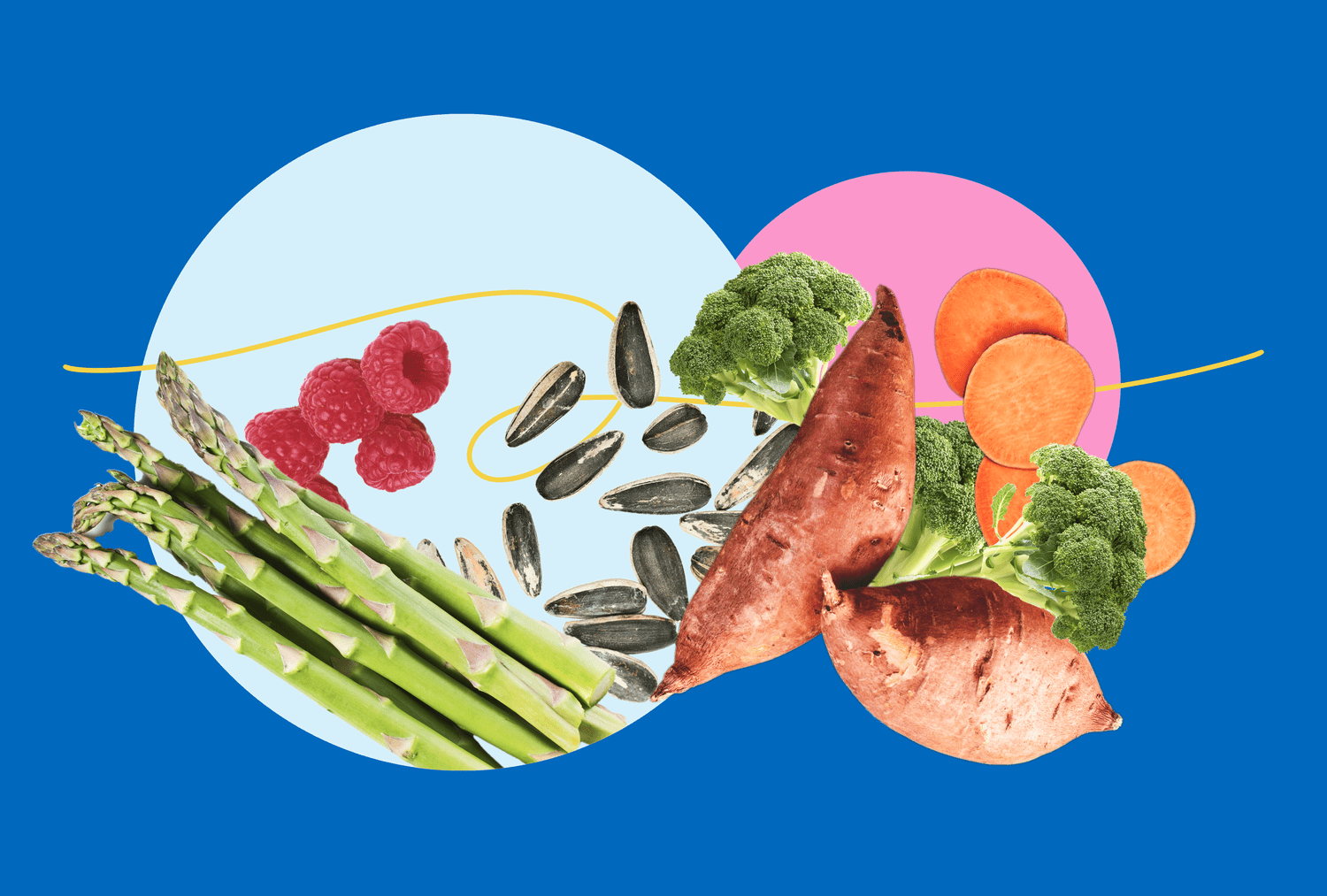
Photo Illustration by Joules Garcia for Verywell Health; Getty Images
Why Losing Weight Helps Your Liver
If you have metabolic dysfunction-associated steatotic liver disease (MASLD), it’s important to focus on weight loss, exercise, behavior changes, and improving insulin sensitivity. A slow and steady weight loss approach is recommended, as losing weight rapidly can worsen fatty liver disease.
Diet plays a key role in weight loss, and certain nutrients are particularly important for those with fatty liver disease. Reducing intake of simple carbohydrates and saturated fat can help reverse or prevent the disease’s progression.
Fatty liver disease usually doesn’t cause symptoms, but it is often linked with central obesity, abnormal cholesterol levels, high blood pressure, and insulin resistance. These health issues can lead to symptoms like fatigue, mood swings, and poor sleep. Weight loss can improve these symptoms and related conditions.
A large study found that participants who lost at least 7% of their body weight showed significant improvements in liver fat, inflammation, and MASLD scores. Losing 10% of body weight is linked to improvements in liver scarring.
Research suggests that even a 5% weight loss can bring improvements. It’s best to avoid rapid weight changes and aim for a weight loss of 1 to 2 pounds per week, which involves reducing daily caloric intake by 500 to 1,000 calories.
Understanding the Role of Diet in Liver Health
Macronutrient needs can differ for each person, but studies show that people with fatty liver disease may benefit from a diet lower in carbohydrates and higher in fats, particularly unsaturated fats.
A study involving people with MASLD compared low-calorie diets with the same calorie count but different macronutrient ratios. Those on the lower carbohydrate (40% vs. 60%) and higher fat (45% vs. 25%) diet showed improved liver function tests.
Some research indicates that a low-carb diet with low-glycemic index (GI) carbohydrates can improve MASLD. Choosing low-GI foods may help reduce blood sugar and insulin levels.
Focusing on polyunsaturated fats, such as omega 3s and omega 6s, is also important for their anti-inflammatory and cholesterol-lowering effects. Recommended foods include fatty fish and walnuts.
A Mediterranean diet also shows promise in reducing liver fat.
Duration
Creating a meal plan tailored to your dietary preferences and lifestyle is crucial since this is a lifestyle change, not a temporary diet. If the plan is too restrictive, you’ll likely return to old eating habits, regain weight, and increase the risk of fatty liver and its related diseases.
What to Eat
Following healthy dietary patterns are important for everyone, but people with fatty liver disease need to be particularly careful to watch what they eat.
The Harvard Healthy Eating Plate guidelines suggest these principles for making food choices:
- Fill half your plate with fruits and vegetables. Opt for whole fruits and a variety of veggies.
- Make 1/4 of your plate whole grains.
- Make 1/4 of your plate from varied protein sources.
Federal dietary guidelines recommend three servings of dairy per day for a 2,000-calorie diet. Select foods and drinks with less added sugars, saturated fat, and sodium.
-
Whole grains: oats, 100% stone-ground wheat, barley, bulgur, farro, wheat berries, brown rice
-
Legumes: beans, lentils, chick peas (preferably dried and not canned)
-
Starchy vegetables: sweet potato, turnips, yams
-
Nonstarchy vegetables: broccoli, spinach, kale, onions, leeks, asparagus, artichokes, peppers, onions, mushrooms, carrots, tomatoes, cauliflower
-
Nuts and seeds: walnuts, sunflower seeds, almonds, cashews, pistachios
-
Healthy fats: extra virgin olive oil, avocado
-
Lean protein: white meat chicken, turkey, eggs, pork, vegetarian protein
-
Fatty fish: salmon, tuna, sardines
-
Fruit: berries, kiwi, apple, orange, lemon
-
Low-fat dairy: low-fat Greek yogurt, low fat kefir
-
Herbs: basil, cilantro, parsley, rosemary, thyme, oregano, lemongrass, lavendar
-
Refined carbohydrates: white bread, white rice, bagels, white pasta, prepared boxed foods
-
Sweeteners: high fructose corn syrup, maple syrup, sugar
-
Trans fat and saturated fat: margarine, processed baked goods, fried foods, pastries, high-fat beef, full-fat cheese, packaged/boxed foods
-
Refined snack foods: chips, pretzels, crackers, rice cakes
-
Sugary beverages: soda, juice, sports drinks
-
Sweets: cookies, cakes, ice cream, donuts, desserts
-
Processed high-fat meats: sausage, bacon, bologna, liverworst, prosciutto
Whole grains: Whole grains, like lower glycemic index options such as whole oats, are rich in vitamins, minerals, and filling fiber. They help you feel full and support regular digestion. They’re also a great alternative to white, refined carbs.
Legumes: A vegetarian source of protein and fiber, legumes are a complex carbohydrate that help to keep you full and reduce large blood sugar fluctuations. They are also low in fat.
Starchy vegetables: These complex carbs are rich in phytonutrients, fiber, and nutrients like vitamin C, a powerful antioxidant that boosts immunity.
Non-starchy vegetables: Full of filling fiber and low in calories, non-starchy vegetables should be the base of most meals. They are voluminous and are rich in nutrients. Vegetables such as artichokes, leeks, and garlic, which are rich in oligofructose, may reduce triglycerides and serum glucose levels.
Nuts, seeds, walnuts: Rich in omega 3 fatty acids, nuts like walnuts may help reduce triglycerides and lipids. They can also reduce inflammation. Aim for raw, unsalted options whenever possible.
Lean protein: Protein is important for muscles and helps to keep you full. Compared to higher-fat protein, lean protein is lower in calories and saturated fat, which can help with weight loss. For example, swapping 3 ounces of ground beef for 3 ounces of chicken can save you about 150 calories.
Low-fat yogurt, kefir: These healthy options are rich in calcium, vitamin D, and probiotics. Probiotics can alter gut bacteria, potentially impacting MASLD development and progression to MASH.
Fatty fish: Rich in omega-3 fatty acids, fatty fish like salmon may help reduce triglycerides and fat in the liver.
Fruit: Fruit, such as berries and kiwi, is rich in vitamin C, filling fiber, and antioxidants. People who eat more fruits and vegetables tend to maintain healthier weights.
Herbs and spices: These add flavor and offer antioxidants that fight inflammation. They’re low-calorie and contain no fat.
Some studies have shown that supplementing with vitamin E can help reduce fatty liver disease. Before starting any supplementation, discuss with your physician. Always focus on food first; spinach is a good option.
Optimizing Your Eating Habits for Liver Wellness
There are no specific dietary guidelines, meal time recommendations, or schedules that should be followed. Rather, this should be a full lifestyle change tailored to your specific needs with a focus on weight loss.
Most people who are trying to lose weight typically require three meals and one or two snacks per day to receive adequate nutrition and prevent overeating. Meals and snacks should contain fiber and protein which to keep you full and prevent large blood sugar swings that lead to cravings and overeating.
Practicing the plate method can be helpful. It allots half of your plate to non-starchy vegetables, one-quarter of your plate to lean protein like white meat chicken, fish, lean pork, turkey, and one-quarter of your plate to a starchy vegetable or whole grain.
Some examples of appropriate starch portions include: 1 medium potato, 2/3 to 1 cup of a whole grain like brown rice, quinoa, farro, bulgur, wheatberries, or 1 whole-grain wrap.
Liver-Friendly Cooking Tips
Lower-fat cooking methods should be used. These include grilling, baking, broiling, poaching, and sautéing. When cooking vegetables, marinating protein, or dressing salads, aim to use unsaturated fats such as extra-virgin olive oil, avocado oil, and canola oil.
Saturated fats, such as butter, cream, and full-fat milk, should be limited to 10% or less of your calories each day. The American Heart Association recommends a lower level of 6% or less each day.
Flavoring food with fresh and dried herbs and spices is also recommended.
Modifications for Certain Groups
A healthy diet that induces weight loss will subsequently reverse fatty liver or prevent progression. It will also likely lead to a drop in blood pressure, cholesterol, lipids, and blood sugar.
The exact diet you choose can vary. A Mediterranean-style diet, the DASH diet, and a lower carbohydrate diet can work. Some people, particularly those with diabetes, may also benefit from a ketogenic diet (however, this type of eating plan has not been studied specifically for people with fatty liver disease and should be guided by a professional).
Some contraindications may exist depending on whether or not you take certain medications. For example, people who take warfarin are advised to eat a consistent vitamin K diet and, therefore, must monitor their intake of non-starchy vegetables rich in vitamin K, such as spinach, broccoli, collard greens, etc.
In addition, people with diabetes who also have MASLD should monitor their blood sugars regularly and keep in contact with their physicians to prevent hypoglycemia, given that lowering carb intake will cause a reduction in blood sugar. Most of the time, weight loss and a reduction in carbohydrates will indicate a need to reduce or change diabetes medications.
Sustainability and Flexibility
Because there are no outright forbidden foods on this diet, rather a focus on healthier foods choices, this diet is sustainable.
Start slowly and give yourself time to make substitutions. As you continue to replace unhealthy food choices with healthier ones, you will feel more energized and healthier overall, which will likely encourage you to keep up your efforts.
You can follow this type of eating plan on-the-go, at work, and at home. The key to this type of eating plan is aiming to eat whole foods as much as possible.
Today, healthy food choices are available wherever you go, whether it be the airport, the convenience store, or the supermarket. You can always find something once you focus on the choices you are making.
If you’re unsure of your access to appropriate foods when you are out, consider grabbing some snacks from home before you head out. For example, put some raw almonds in a bag and tuck it into your pocket.
Healthy meal delivery services can be great options if you are not keen on cooking or you’re short on time.