

:max_bytes(150000):strip_icc():format(jpeg)/3758756-ef9e5e480be1414691ece3f2ec98d732.jpg)
- The carnivore diet includes only animal-based foods, like beef, seafood and eggs.
- Proponents say it can get to the root cause of illness and relieve symptoms.
- This diet is super restrictive, lacks many essential nutrients and is not sustainable for most.
Restrictive diets are not new to the weight-loss world. The cabbage soup and grapefruit diets rank right up there with the Master Cleanse, a juice fast of water, lemon juice and cayenne pepper. And in the shadow of the more popular paleo and keto diets, the carnivore diet quietly emerged with a dedicated following and big promises.
Read on to find out what the carnivore diet is, what its potential health benefits and risks are and whether you should try it.
What Is the Carnivore Diet?
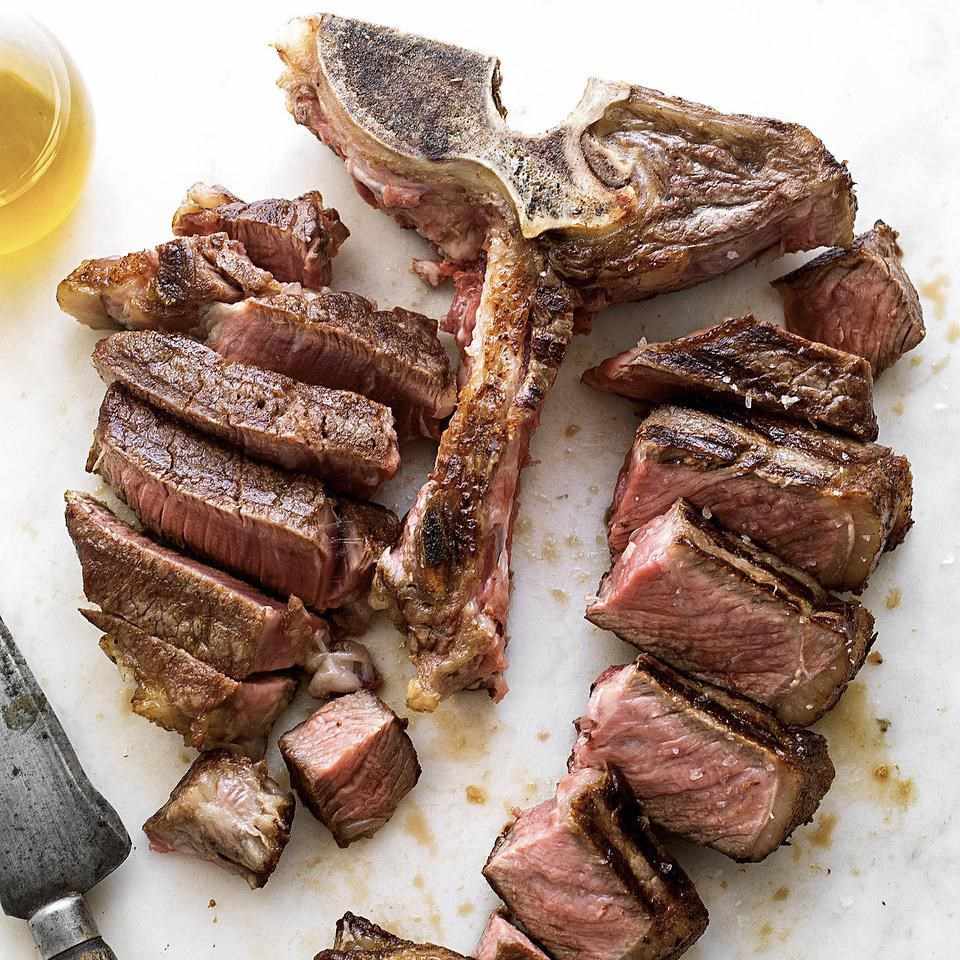
The carnivore diet, also known as the zero-carb diet, is an eating style that incorporates animal products only. That means there’s room on the plate for meat, organs, butter and eggs, but vegetables, fruit, grains, nuts and other plant foods are off-limits.
Some dairy products are also allowed, such as yogurt and milk, but strict followers of the carnivore diet may eschew them because they contain lactose, a naturally occurring sugar—which is a type of carb.
“The carnivore diet consists only of animal-derived foods and nothing that comes from plants,” says Summer Yule, M.S., RDN, a registered dietitian.
While the carnivore diet sounds like the keto diet, there are a few differences. Both involve eating very limited or no carbs, and plant foods are almost, if not entirely, eliminated too. But unlike the carnivore diet, the keto diet emphasizes eating high amounts of fat and moderate amounts of protein. The carnivore diet does not make that distinction and does not encourage daily goals for any particular nutrient.
“While both diets are low in carbohydrates and high in fat, keto allows for non-animal foods from plant sources, such as nuts, seeds, some fruits—avocado and berries mainly—and nonstarchy green vegetables,” says registered dietitian Molly Devine, RD, LDN.
“The carnivore diet leaves out plant-based foods that contain important nutrients like fiber, potassium, folate and vitamin C, which are important for gut, heart and immune system health,” says Staci Gulbin, M.S., M.Ed., RDN.
This is because carnivore diet proponents point out that grains, legumes and seeds contain “antinutrients,” plant compounds, many of which act as natural pesticides for the plant. But they can also prevent the body from absorbing vitamins and minerals. An example is lectins, found in nightshade vegetables. However, research suggests antinutrients aren’t harmful to humans, as most are destroyed in the cooking process or by your gut during digestion. Carnivore diet proponents also believe all fruits and vegetables are harmful to the body.
“Vegetables and fruits are essential to a healthy diet because they are packed with electrolytes like magnesium, iron, calcium and fibers to support healthy digestion and intestinal flora, plus all the vitamins and antioxidants,” says Luiza Petre, M.D., a weight-management specialist and board-certified cardiologist. “While starches are not necessarily essential, fiber- and vitamin-rich vegetables should not be excluded.”
To make up for some of the lack of plant-based nutrients, the carnivore diet includes organ meats, like liver, heart and kidneys. “Organ meats are a vital way to get vitamins and minerals you might miss since you’re not eating fruits and vegetables,” says Devine. “Organ meats, such as liver and heart, provide essential micronutrients that would otherwise be lacking due to the absence of plant products like fruits and veggies.”
And while the carnivore diet may include some dairy, which is also an animal product, purists stick to just meat. “Some versions of the diet also allow some dairy products since they technically come from animals,” says Devine. However, these foods contain lactose, a type of sugar, which means these foods contain some carbohydrates.
Carnivore Diet Food List
Pictured recipe: Meal-Prep Sheet-Pan Chicken Thighs
Foods Allowed
- Beef and red meat
- Bone marrow
- Chicken and poultry
- Fish and seafood
- Pork
- Eggs
- Organ meats
- Bone broth
- Water
- Butter
- Lard
Optional Foods
Foods Not Allowed
- Vegetables
- Fruits
- Grains
- Legumes
- Beans
- Nuts
- Seeds
- Any source of carbohydrates, such as sugar
- Artificial sweeteners
Purported Health Benefits of the Carnivore Diet
Reduced Chronic Illness
Shawn Baker, MD, an orthopedic surgeon, is credited with much of today’s meat-only diet hype. Mikhaila Peterson Fuller, who coined the term, “The Lion Diet,” credits this way of eating for relieving her chronic illnesses, including depression, juvenile rheumatoid arthritis and chronic fatigue syndrome.
Baker and Fuller are among a chorus of individuals who believe in the carnivore diet—though Fuller promotes her version of the diet more as an elimination diet to get to the root of health problems and is even more strict in the types of animals, suggesting you eat only ruminant animals, like cows, deer, sheep and goats. Both Baker and Fuller believe that a carnivorous diet can eliminate symptoms of chronic and inflammatory diseases and provide more energy and greater well-being.
Less Brain Fog
Many people following a carnivore diet report greater energy and concentration after several days on it—though the first few days may increase fogginess. “The elimination of all processed foods, sugars and refined carbohydrates is a big pro,” says Devine. “However, this is a very restrictive way of eating that is not sustainable for most people.”
Less Sugar and Processed Foods
Sugar, refined carbs and processed foods are out with the carnivore diet. “The carnivore diet cuts out processed and refined carbohydrates, ensures plenty of protein intake and promotes water consumption,” says Gulbin. However, that’s still not reason enough for Gulbin to recommend the diet. “It leaves out plant-based foods that contain important nutrients like fiber, potassium, folate and vitamin C that are important for gut, heart and immune system health.”
Fewer Food Sensitivities
If you believe you have food allergies or sensitivities, you may find they disappear with the carnivore diet. That’s because the diet does not contain food groups that are most likely to trigger allergies or food issues, like nuts and fruit.
Weight Loss
Eating very few or no carbs will naturally put your body into ketosis, a state in which your body is forced to burn fat for fuel instead of relying on available carbohydrates. You’ll lose water weight at first. Then, the increased demand for fat could lead to actual fat loss. However, this could backfire in the long run, says Petre. “The problems arise when you get too much of a good thing. Eating too many proteins and going above the calories needed on a daily basis can lead to weight gain, as the excess intake gets converted into fat and stored.”
What the Science Says
Featured Recipe: Roasted Chickens
Few studies have looked at the effects of this diet. Most reports of success (or failure) are anecdotal, as is the case with Baker and Fuller. One study on the carnivore diet used case studies of four people to assess the nutrient composition of the diet. Two people included dairy, and two included organ meats. Researchers found that the carnivore diet met several nutrient value reference thresholds for nutrients such as riboflavin, niacin, phosphorus, zinc, Vitamin B6, Vitamin B12, selenium, and Vitamin A. But it also exceeded the sodium threshold, and fell short in thiamin, magnesium, calcium, and Vitamin C; some also fell short in iron, folate, iodine and potassium. Fibre intake was significantly below recommended levels.
Another study surveyed over 2,000 people on social media who self-reported following the carnivore diet for at least 6 months. Under 10% reported eating vegetables, fruits, or grains more often than monthly, and 37% denied use of nutritional supplements. Very few reported side effects, like gastrointestinal symptoms (3% to 5%). Participants reported high levels of satisfaction and improvements in overall health (95%), well-being (66%–91%), various medical conditions (48%–98%), and average BMI decreased from 27 to 24. Among a subset reporting current lipids, LDL-cholesterol was markedly elevated, whereas HDL-cholesterol and triglycerides were optimal. Participants with diabetes reported benefits including reductions in BMI and HbA1c, and 84% to 100% reported a reduction in diabetes medication use.
With that said, the key here is long-term evidence of its safety. “There are no long-term studies on humans using this diet,” says Yule, “so I am not comfortable recommending this diet at this time.”
Health Risks of the Carnivore Diet
Nutrient Deficiencies
Fruits, vegetables and other plant foods are chock-full of nutrients that help you live a longer, healthier life. It’s unclear if vitamin-rich meat sources can adequately make up for this lost nutrition. “This diet lacks phytonutrients, many of which are associated with reduced risk of chronic disease,” Yule says. “It is also lacking in prebiotics. Prebiotics help support the good bacteria in our gut.”
Potential Kidney Problems
“Dehydration occurs when your kidneys are overworked by removing nitrogen waste and excess proteins from metabolizing the protein, causing you to urinate in excess,” Petre says. She says this process will eventually ruin your kidneys.
Kidney stones are also a concern. When your kidneys are stressed from the extra work, it can slow calcium absorption. That can lead to kidney stone production, if you’re already prone to the problem, notes Petre. For this reason, when you increase your protein intake, it’s important to also increase your fluid intake to reduce your risk of kidney stones.
Constipation
Fiber is important for digestion and regularity. When you replace fiber-rich foods like whole grains, vegetables, fruit and beans with animal proteins that have virtually no fiber, it is nearly impossible to get the recommended 25 to 35 grams of fiber per day. “You will wind up feeling bloated, gassy and constipated,” says Petre, though many proponents suggest the opposite, since many people go on the carnivore diet because they have a difficult time digesting plants.
Increased Risk of Disordered Eating
The focus on eating such a restricted diet could lead to disordered eating. In other words, you may become hyper-focused on the diet and develop an unhealthy dependency on your regimen. This diet can also cause you to limit social functions and family gatherings due to its restrictive nature.
Too Much Saturated Fat
We know now that fat isn’t the great nutritional villain we once believed it to be, but we do know that the approach to fat isn’t one-size-fits-all. Some people do produce more cholesterol when eating foods high in saturated fat, so they may need to eat less saturated fat to manage their risk of cardiovascular disease. This diet may have too much fat for some individuals.
Who Should Avoid the Carnivore Diet?
“A diet this restrictive could be particularly hazardous to persons with eating disorders, pregnant or lactating women, and children or adolescents,” states Yule. “People with certain undiagnosed metabolic disorders may also be putting themselves at risk by extreme—and not medically indicated—diets.”
Yule cites an example of a case report in which a woman with an undiagnosed urea cycle disorder (a condition that prevents your body from removing waste) died after consuming a diet very high in protein.
Elimination diets are routinely used to help you and your doctor detect food sensitivities, and this diet could be used in that manner—which is what Fuller primarily promotes it as. However, it’s advised that you work with a healthcare practitioner, like a registered dietitian, to construct an elimination plan that suits your needs.
Likewise, people who have chronic diseases like diabetes and heart disease are advised to consult with a healthcare practitioner before beginning this diet. Anyone with any form of kidney disease should also avoid this diet.
Our Expert Take
The carnivore diet may be successful as a short-term weight-loss tool, but it is a highly restricted form of eating. Some, like Fuller, recommend it as an elimination diet to pinpoint trigger foods.
Without long-term research—and more of it—to support the claims of carnivore diet proponents, it’s impossible to say if this diet could be successful in the long run. As with any diet plan, some diets work for some individuals but not for others. And experts urge caution, citing its lack of fiber and other important plant nutrients.
“If a person is trying to cure an underlying medical issue with this diet, I would recommend that they explore all available options with a physician first so that they are better able to make an informed choice,” says Yule. “I want to support self-determination by encouraging people to eat in a way that helps them feel better, but at the same time, I am concerned about the potential negative consequences of this diet over the long term.”
If you’re thinking of using the carnivore diet for weight loss, a healthier option is to find a well-balanced eating style that encompasses a variety of whole foods, including fruits and vegetables, with filling nutrients like protein and fat. This allows you the most freedom in choices, and it gives you greater flexibility to eat foods you enjoy. The Mediterranean diet can be a great place to start.