

Key Takeaways
- Clementines and oranges both contain high levels of vitamin C.
- Oranges contain slightly more vitamin C per gram.
- Choosing between clementines and oranges may depend on your personal preferences.
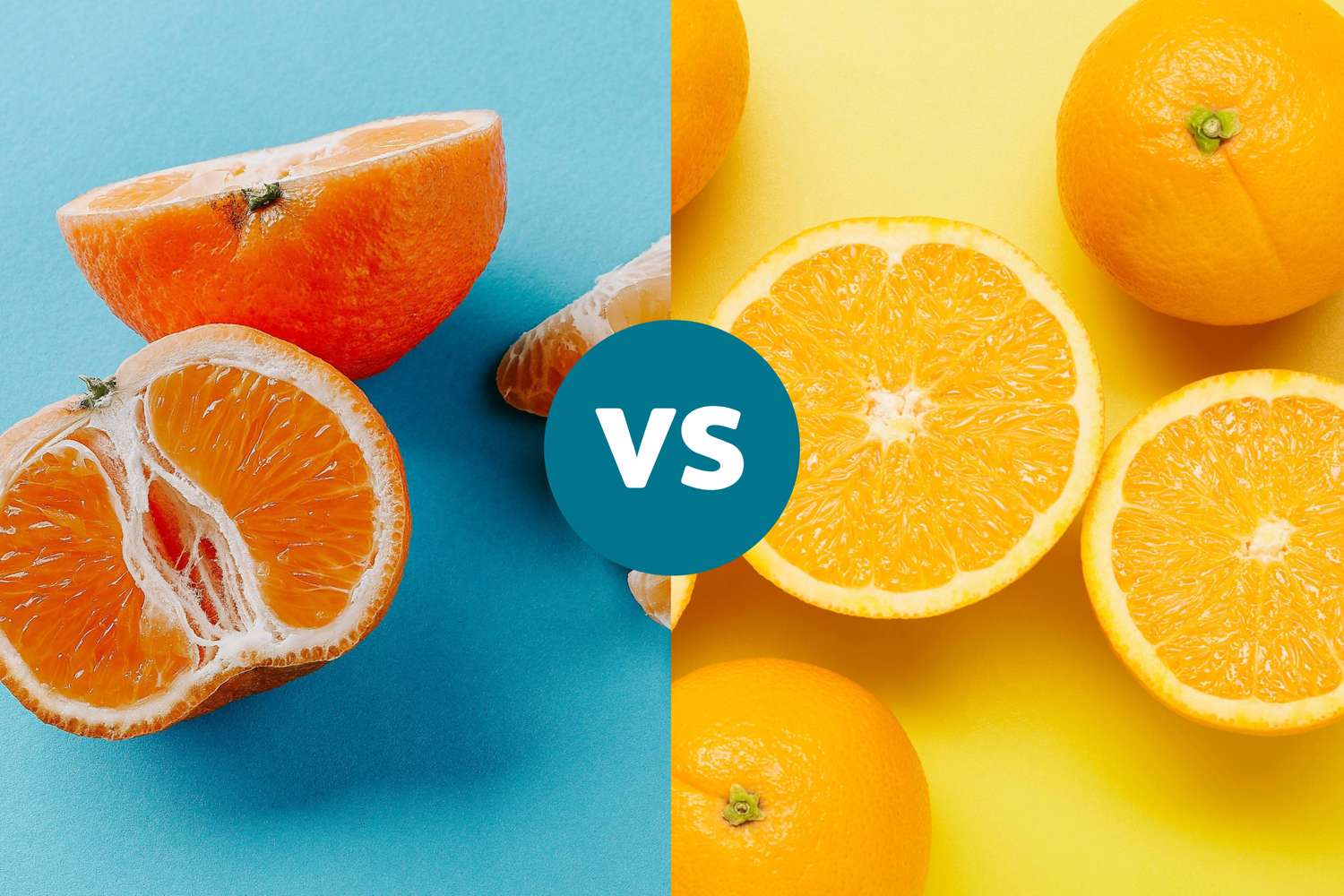
Oranges and clementines both pack a significant punch when it comes to getting enough vitamin C. While oranges tend to have more vitamin C, they are larger in size, so if you want to get vitamin C with a smaller snack, clementines may be the better option.
How Much Vitamin C Is in an Orange?
A 140-gram orange provides 82.7 milligrams (mg) of vitamin C, which is roughly 90-109% of your daily value (DV), depending on your age and sex. For example, the recommended daily intake of vitamin C for adult women is roughly 75 mg, whereas men require a little more at 90 mg.
There are many other nutrients in oranges as well. Eating an orange can also give you:
- Fiber
- Calcium
- Magnesium
- Phosphorus
- Potassium
- Sodium
- Folate
Oranges also contain high levels of flavonoids, which are plant compounds that act as antioxidants in the body to help lower the risk of chronic disease and oxidative stress.
What Is Oxidative Stress?
Oxidative stress occurs when there is an imbalance between unstable molecules (known as free radicals) and antioxidants. When the body is in this state, free radicals can cause cellular damage.
How Much Vitamin C Is in a Clementine?
Like oranges, clementines also offer a high amount of vitamin C to support overall health. One 74-gram clementine contains 36.1 mg of vitamin C, or roughly 40% of your overall DV needs.
That means that one clementine offers just less than half the amount of vitamin C per fruit than an orange, and you will get less vitamin C when eating one clementine versus one orange. However, a serving size of clementines is two fruits, which together provide 72.2 mg of vitamin C—about 10 mg less than an orange would.
Clementines will also provide nutrients similar to those found in oranges. Nutrients in clementines include:
- Fiber
- Calcium
- Magnesium
- Phosphorus
- Potassium
- Folate
- Choline
- Antioxidants
Nutrients in Both
Clementines and oranges are citrus fruits, so they contain many of the same compounds and nutrients that promote overall health.
How to Choose Between Clementines and Oranges
Choosing between a clementine and an orange may depend on a few factors:
- Size: Oranges are larger. Your preference toward eating one larger fruit over a couple smaller ones may make a difference.
- Flavor: Clementines tend to be sweeter with a bit less acidity, whereas oranges are more tart.
- Peelability: Clementines are easier to peel than oranges, making them more accessible in some cases.
- Digestibility: Oranges and clementines are similar in digestibility, but clementines are slightly better than oranges in this regard.
Both oranges and clementines can be great additions to a well-rounded diet if you’re looking to increase your vitamin C intake. Choosing which you like better will come down to personal preference on size, taste, and vitamin C needs.
:max_bytes(150000):strip_icc()/VerywellBioPicAngelicaBottaro-203f7e803ab444b2b5c13b4252d11159.JPG)