

Key Takeaways
- Milk is often fortified with vitamin D, making it more beneficial for bone health.
- Cottage cheese has more protein than milk.
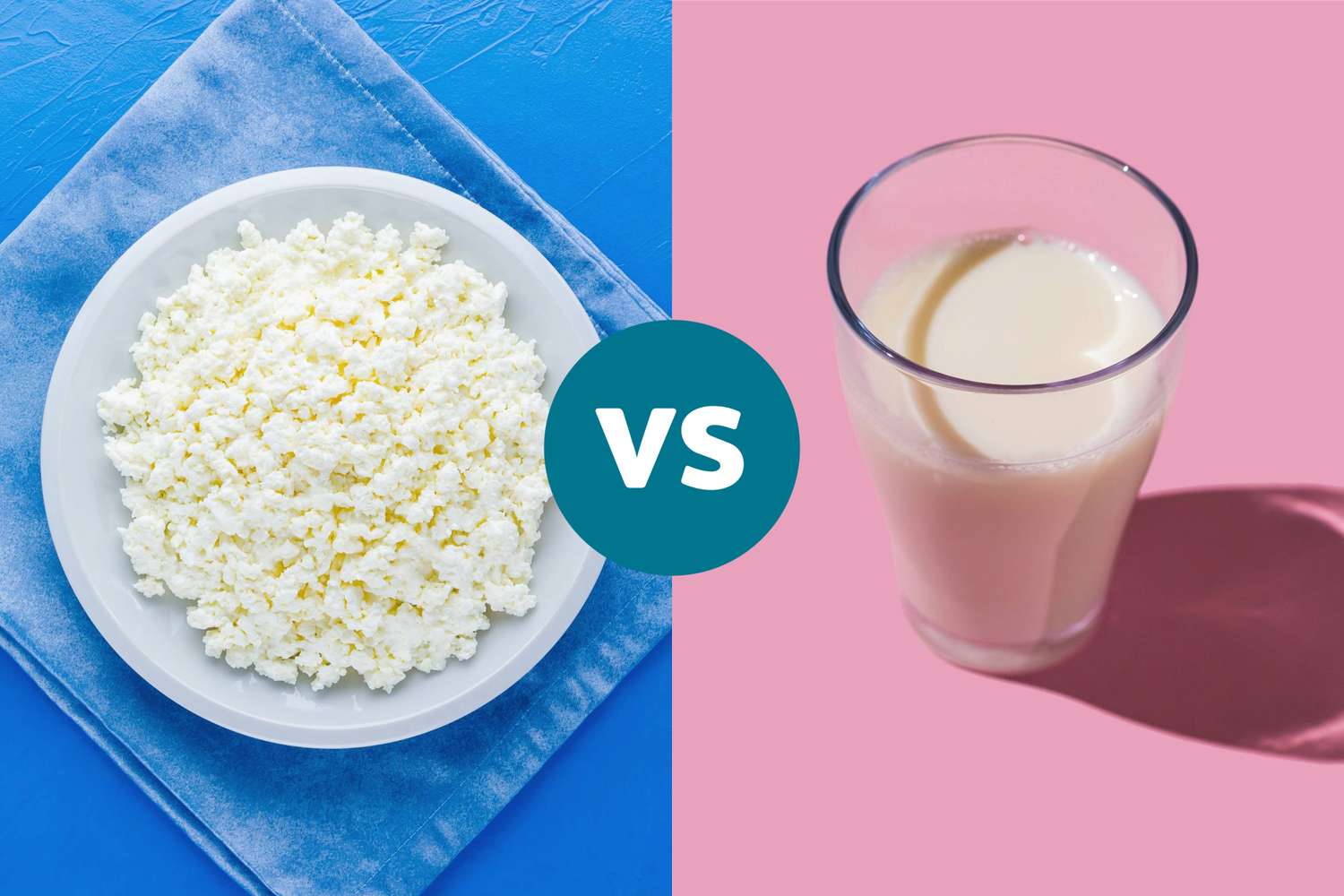
If you’re trying to eat more foods that support bone health, both cottage cheese and milk are good options. While both are high-quality protein sources, milk provides calcium and vitamin D, which is essential for building bone strength.
Milk Offers More Calcium and Vitamin D
Calcium, vitamin D, and phosphorus are all micronutrients that support bone health. Milk tends to have more of these than cottage cheese naturally, according to Leah Barron, RD, LD, CPT, a dietitian at The Baseline Lifestyle Co.
“The content of vitamin D, specifically, will vary based on the fortification of the product. Milk does contain vitamin D naturally, but most milk in the U.S. is also fortified to make it a better source of vitamin D,” she said.
One serving of milk can contain about 100 IU of vitamin D, while one serving of cottage cheese contains just 3 IU.
“Not all cottage cheese brands are fortified, so if you are using cottage cheese in order to support bone health, be sure that you choose one that is,” she added.
Cottage Cheese May Help You Meet Protein Goals
Variety is the name of the game when you’re planning out a well-rounded diet, and cottage cheese provides other benefits.
“If your primary goal is getting enough calcium and vitamin D, milk is the stronger choice,” said Alissa Rumsey, MS, RD, author of Unapologetic Eating and founder of Rumsey Nutrition Consulting.
However, she said there’s no single “best” food for bone health. Cottage cheese can still be a helpful option, mainly because of its high protein content, which supports the structural components of bones.
“For some people, adding cottage cheese may help them meet their overall protein needs more easily,” she added.
How Does Their Nutrition Compare?
Nutritionally, cottage cheese and milk are similar. “Cottage cheese and milk both contain a combination of carbs, fat, and protein,” Barron said.
“The fat content will vary depending on the type of milk and cottage cheese, and the carb content tends to be about the same. The main difference is that when serving sizes are the same, cottage cheese contains about three times the protein that milk does,” she added.
| Milk vs. Cottage Cheese Nutrition | ||
|---|---|---|
| Whole Milk (1 cup) | Cottage Cheese (110 g) | |
| Calories | 149 | 116 |
| Protein | 8 g | 13 g |
| Fat | 8 g | 5 g |
| Carbohydrates | 12 g | 5 g |
| Cholesterol | 30 g | 20 g |
| Sodium | 95 mg | 385 mg |
| Calcium | 306 mg | 97 mg |
| Phosphorous | 251 mg | 169 mg |
“Milk is one of the easiest ways to get calcium and vitamin D, according to Rumsey. “For people who enjoy milk and tolerate it, one to two cups a day can be a helpful, convenient option to help meet calcium and vitamin D needs,” she said.
:max_bytes(150000):strip_icc()/maggieoneill-16204cf3e01b424bbbd66733f6fb4668.jpeg)