

Key Takeaways
- Echinacea shows more consistent evidence for preventing colds compared to elderberry.
- While elderberry may modestly reduce the severity or duration of colds in some people, there is no evidence to support its use in preventing colds.
- Since existing research on the anti-viral benefits of echinacea and elderberry is limited, use these herbs to complement, rather than replace, standard cold prevention and treatment strategies.
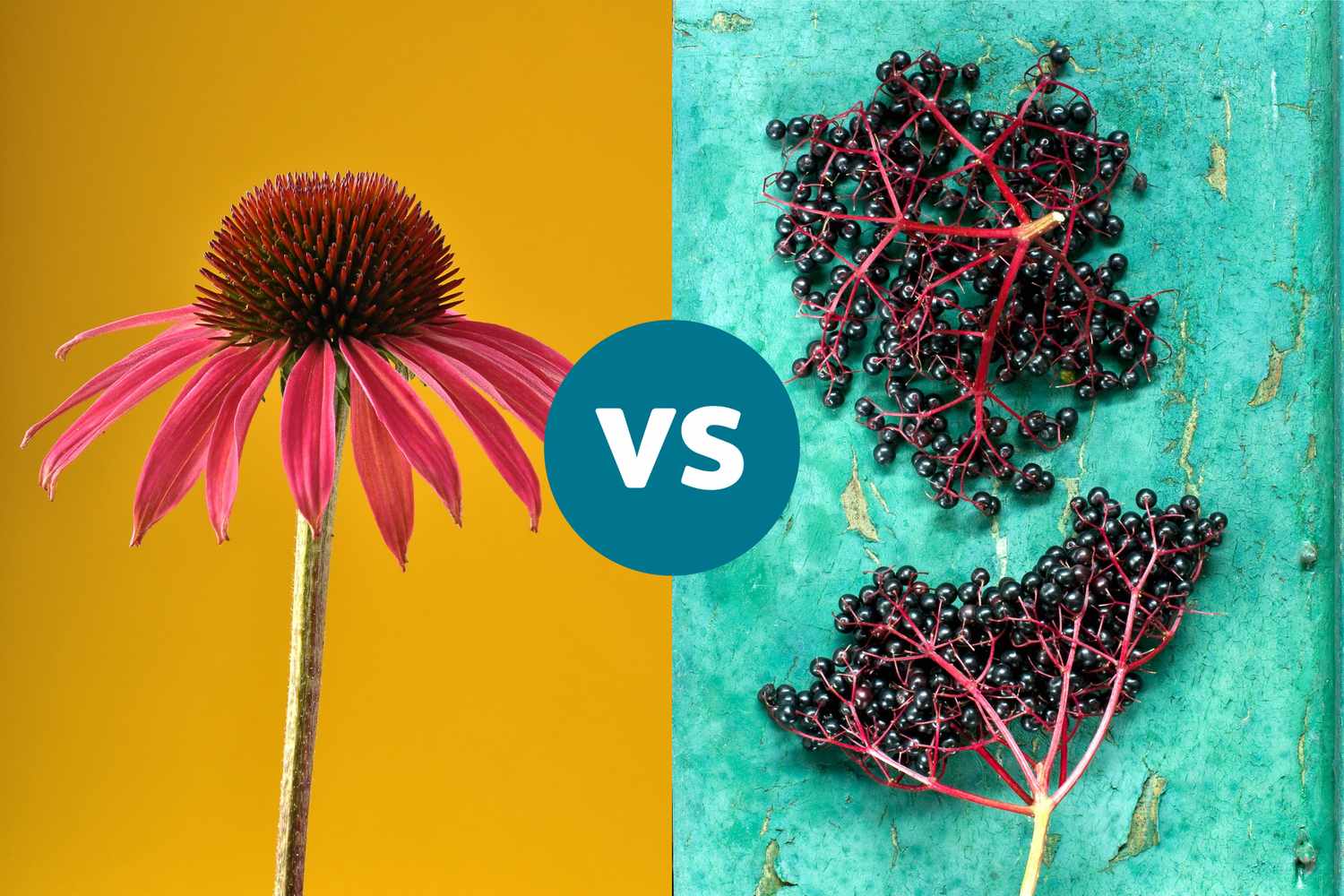
Echinacea and elderberry are two herbs promoted for preventing and treating colds, flu, and other upper respiratory infections. While these natural treatments have a long history of use in traditional medicine, current research suggests they may offer distinct benefits when applied to this type of illness.
How Echinacea May Help Prevent Colds
- In a study in healthy adults, the daily use of 2400 milligrams (mg) of echinacea extract over 5.5 months significantly reduced the incidence of viral respiratory tract infections, including infections caused by SARS-CoV-2 (the virus that causes COVID-19).
- A research review showed that echinacea may provide a safe treatment for reducing the incidence of respiratory tract infections, as well as decreasing the risk of recurrent infections, complications, and the need for antibiotic therapy.
- In a study involving children aged 4 to 12 years, those who received echinacea extract experienced about 32.5% fewer respiratory tract infections compared to those using vitamin C, as well as a significant reduction in antibiotic doses and fewer complications, such as sinusitis, bronchitis, or otitis media.
- A research review of the role of echinacea in treating acute cough and respiratory tract infections in children concluded that the herb appears to have potential benefits for preventing respiratory diseases such as colds during peak viral seasons.
How Elderberry May Help With Cold Symptoms
- In research on elderberry for the prevention or treatment of viral respiratory infections, researchers found no evidence that elderberry reduces the risk of developing this type of illness.
- That same review concluded that elderberry might reduce the duration or severity of illness once it begins, but the evidence is uncertain and insufficient to draw conclusions.
- A research analysis involving 180 participants found that supplementation with elderberry at the onset of upper respiratory symptoms substantially reduced the overall duration of symptoms compared to a control group, indicating that elderberry may provide an alternative to treatment with antibiotics and prescription drugs, with further study.
- In a clinical trial of overseas air travelers, those who consumed elderberry supplements from 10 days before travel and for four to five days after arrival reported a two-day shorter duration of cold symptoms and reduced symptom severity compared with those who received a placebo. However, the incidence of infection between the elderberry group and placebo was not statistically significant.
Practical Tips and Safety Considerations.
- More research is needed before depending on echinacea to prevent colds. While there is more evidence to support the use of echinacea over elderberry for preventing colds, the use of different echinacea preparations, dosages, treatment regimens, and subject populations in existing research complicates the generalization of study results to all echinacea products.
- Beware of adverse effects from consuming echinacea. Though short-term consumption of echinacea is considered safe for most adults, the most commonly reported side effects of echinacea in clinical use are allergic reactions, gastrointestinal issues, and rashes. Consult your child’s healthcare provider before administering echinacea.
- Only use extracts of cooked elderberries. When consuming elderberry, use products such as prepared syrups, gummies, and liquid extracts. Uncooked elderberries, leaves, and other elder tree parts possess toxic cyanide-producing substances that can cause severe gastrointestinal effects and serious illness.
- Follow established cold prevention strategies. To prevent colds using proven methods, prioritize guidance from the Centers for Disease Control (CDC), which includes staying current with immunizations, practicing good hygiene (including handwashing), and taking steps to improve air quality where you live and work.
- Consult your healthcare provider before use. If you are pregnant, breastfeeding, have chronic health conditions, immune disorders, or take prescription medications, especially those that impact your immune system, consult your healthcare provider before using echinacea or elderberry.
:max_bytes(150000):strip_icc()/IMG_09172-9ca0040fa5e74df0b5aac42d8125d477.jpeg)