

Key Takeaways
- By weight, the kiwi is higher in vitamin C than the orange.
- Vitamin C is important for the immune system, collagen synthesis, iron absorption, and maintaining healthy cholesterol levels.
- Adult males need 90 milligrams (mg) a day of vitamin C, females need 75 mg.
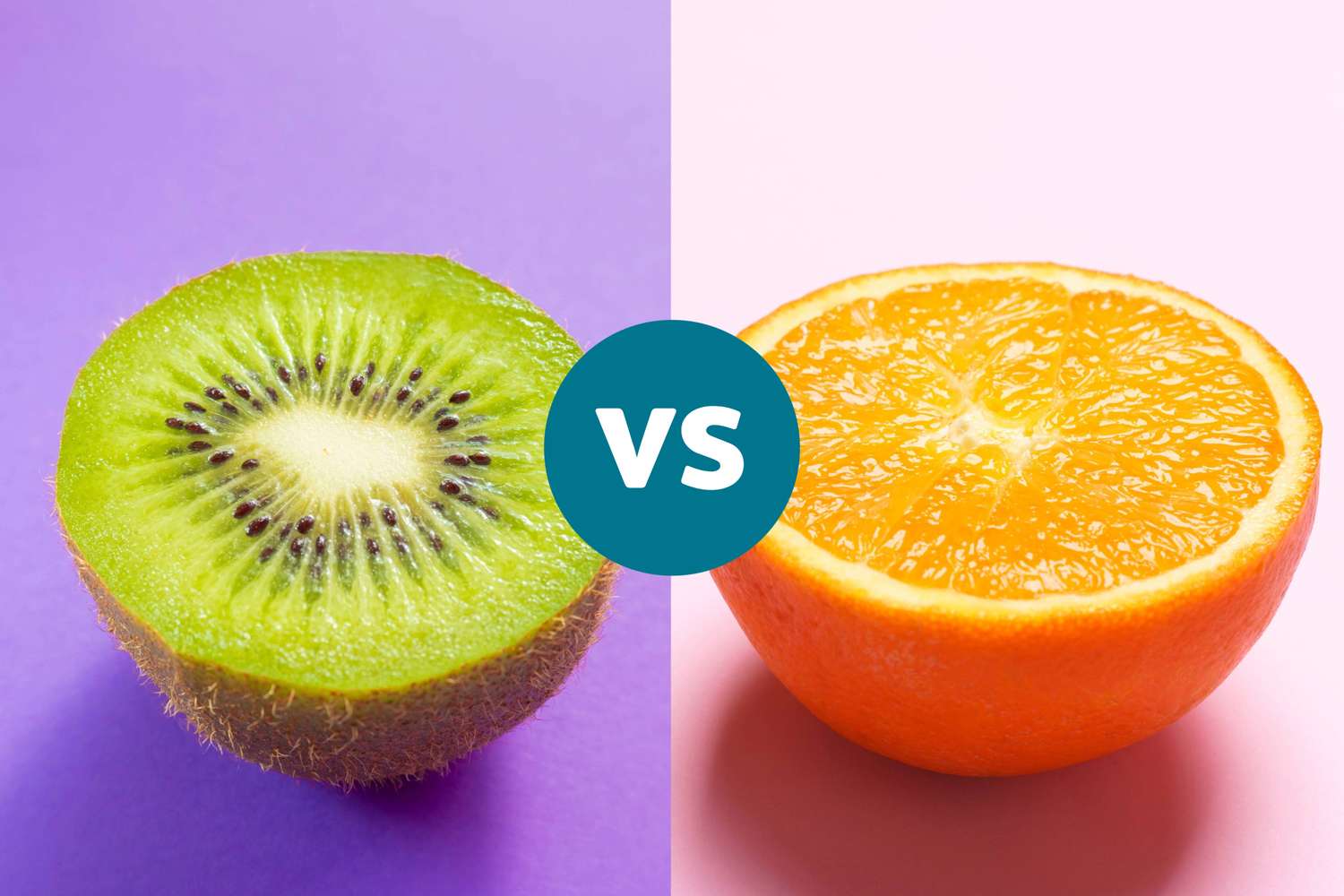
Both kiwis and oranges are great sources of vitamin C. While one medium orange has more vitamin C than a medium kiwi, per gram, kiwis have more vitamin C.
How Much Vitamin C Is in Each Fruit?
Kiwis offer more vitamin C than oranges by weight:
- Orange: An orange has 59.1 mg of vitamin C per 100 grams of fruit, with 70 mg per medium orange.
- Kiwi: A medium green kiwifruit has 92.7 mg/100 g, while a gold kiwifruit has 161.3 mg/100 g.
Vitamin C is an essential vitamin used by the body to:
The body can not make vitamin C. All vitamin C must come from food sources. Consuming a diet rich in fruit and vegetables can help you get the daily recommended amount of vitamin C.
How Much Vitamin C Do You Need?
The recommended amount of vitamin C per day depends on age and sex:
- Infants 0 to 6 months: 40 mg
- Infants 7 to 12 months: 50 mg
- Children 1 to 3 years: 15 mg
- Children 4 to 8 years: 25 mg
- Children 9 to 13 years: 45 mg
- Teens 14 to 18 years: 75 mg for males, 65 mg for females
- Adults 19 and older: 90 mg for males, 75 mg for females
- Pregnancy: 85 mg
- Breastfeeding: 120 mg
- Smoking: people who smoke need an extra 35 mg/day
As the body eliminates any excess vitamin C in the urine, you need to get a regular supply of vitamin C through your diet.
What If You Don’t Get Enough Vitamin C?
A prolonged deficiency of vitamin C causes a condition called scurvy. While rare in most developed countries, scurvy can lead to symptoms such as pain, muscle weakness, bleeding gums, weight loss, red spots or hemorrhages around hair follicles.
What Are the Benefits of Eating Kiwi?
Although small, kiwis pack a lot of punch. Full of vitamin C, kiwis also contain other important vitamins and nutrients:
- Fiber. The kiwi has both soluble and insoluble fiber, which contribute to healthy digestion.
- Potassium. With 312 mg of potassium in a green kiwi, the kiwi is up there with bananas.
- Vitamin E. At 1.51 mg of vitamin E, the gold kiwi has 10% of the recommended daily allowance.
- Folate. A B vitamin, there are 31 micrograms (mcg) of folate in a gold kiwi.
Consuming kiwis on a regular basis can help with:
- Digestion: The combination of soluble and insoluble fiber in kiwis can help with constipation and symptoms of irritable bowel syndrome.
- Iron levels: Vitamin C can help iron absorption and ferritin levels when consumed alongside iron-rich foods.
- Recovery: Athletes who consumed two kiwis a night were found to have better recovery.
- Sleep. Kiwis contain melatonin which can help you fall asleep and stay asleep.
What Are the Benefits of Eating Oranges?
Oranges are a great fruit to eat on the go. Not only are they a good source of vitamin C, they also contain other valuable nutrients, such as:
- Fiber. One orange contains almost 10% of the daily recommended value.
- Folate. A single serving has 25 mcg of folate.
- Magnesium. With 10 mg of magnesium per 100-gram serving, the orange meets 2% of the daily recommended value.
- Antioxidants. Like most citrus fruits, the orange is rich in antioxidants, including flavonoids and carotenoids.
The nutrients and antioxidants found in oranges can help with:
- Brain development: During pregnancy, folate is an important nutrient for the fetus’s developing brain.
- High blood pressure. Consuming fruit regularly has been shown to reduce the risk of high blood pressure. Fruit consumption lowers the incidence of high cholesterol and obesity, two risk factors for high blood pressure.
- Cancer risk. The carotenoids in oranges have been shown to lower the risk of cancer.
- Reduced inflammation. Flavonoids in oranges can help reduce inflammation and may be beneficial for autoimmune diseases such as lupus and rheumatoid arthritis.
:max_bytes(150000):strip_icc()/CoryMartinHeadshot-1afc0f92b8d741be80e58c9c2615b1d8.jpg)