

Key Takeaways
- Almond butter and peanut butter are both high in fat but offer distinct health benefits and fit into a balanced diet.
- Peanut butter offers a nutritious, protein-rich option that’s affordable and widely available.
- Almond butter offers a nutrient-dense alternative, making it an excellent choice for heart health and overall nutrition.
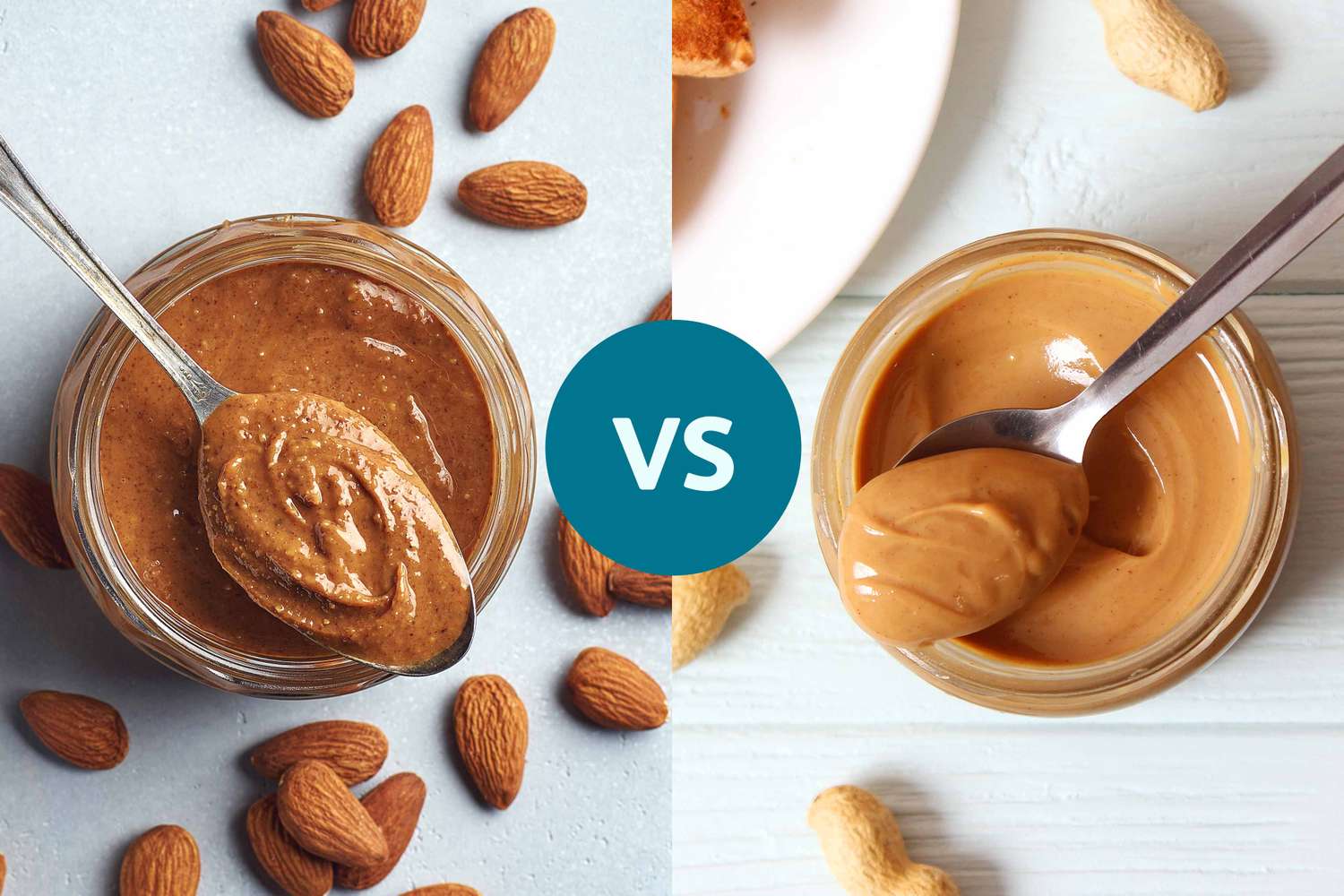
Nut butters, like almond butter and peanut butter, are known to help satisfy hunger cravings and contain key nutrients to keep you feeling full. Whether you’re managing a health condition, watching your weight, or simply trying to make more informed choices, understanding the differences between the two can help you decide which nut butter fits best into your diet.
Which One Is Healthier?
Which one is healthier depends on your personal health goals and dietary needs. Almond butter and peanut butter are nutrient-dense and contain healthy fats, protein, and key vitamins and minerals.
Both choices are rich in healthy monounsaturated fats, which may help:
Almond butters typically contain slightly more of this healthy fat. It is best to choose all-natural nut butters and avoid those containing added sugars, oils, or fats.
When comparing the two, almond butter has fewer carbohydrates and more fiber. This is often desirable, especially for those looking to:
- Make better food choices
- Improve overall health
- Lose weight
However, they each offer unique benefits that may make one a better fit depending on your health goals.
Nutrition Comparison
Almond butter and peanut butter offer a mix of protein, healthy fats, vitamins, and minerals, but there are some key differences. Nutritional content may vary by specific product and formulation.
When consuming either option, portion control is important. While they are high in nutrients, they are also high in calories.
| Almond Butter vs. Peanut Butter Nutrition Content | ||
|---|---|---|
| (per 2-tablespoon serving) | Almond butter | Peanut butter |
| Calories | 196 | 191 |
| Fat | 17.8 grams (g) | 16.4 g |
| Sugars | 1.4 g | 3.4 g |
| Protein | 6.7 g | 7.0 g |
| Carbohydrate | 6.0 g | 7.0 g |
| Dietary fiber | 3.3 g | 1.6 g |
| Calcium | 111 milligrams (mg) | 15.7 mg |
| Iron | 1.1 mg | 0.557 mg |
| Manganese | 0.7 mg | 0.5 mg |
| Potassium | 240 mg | 179 mg |
| Vitamin E | 7.7 mg | 2.9 mg |
Allergy Considerations
Food allergies are an important factor to consider when choosing between almond butter and peanut butter. Peanut allergies are among the most common food allergies, particularly in children, and can cause severe reactions even in small amounts. They are also associated with higher rates of accidental exposure and potentially life-threatening allergic reactions.
Like peanut allergies, tree nut allergies are also common. One major difference between tree nuts and peanuts is where they grow. Peanuts grow underground. Tree nuts grow on trees and include the following:
- Almonds
- Brazil nuts
- Cashews
- Hazelnuts
- Pecans
- Walnuts
While almond butter may seem like a safer alternative for those with peanut allergies, it’s important to remember that almonds are tree nuts.
If you have a peanut or tree nut allergy, consult with your healthcare provider or allergy specialist before trying either product. Always check product labels for cross-contamination warnings, especially if the product was processed in a facility that handles different types of nuts.
How To Incorporate Into Your Diet
Peanut butter is more widely used; however, other nut butters are growing in popularity. They are both commonly used to add flavor to several different dishes, such as:
- Baked goods such as cakes, pies, and cookies
- Sandwiches
- Smoothies
- Spreads
- Oatmeal
- Toast
:max_bytes(150000):strip_icc()/headshot-db507711b55a42bf933c3fb49d802009.jpeg)