

Key Takeaways
- Oranges and orange juice are rich in vitamin C, which is key for supporting the immune system, tissue repair, and other bodily functions.
- Though experts generally recommend consuming whole fruit due to the high sugar and low fiber content of juice, some research suggests that vitamin C and other antioxidants are better absorbed by the body in orange juice format, compared to eating an orange.
- Consider incorporating a variety of vitamin C-rich foods into your diet and check with a healthcare provider before adding a vitamin C supplement to your routine.
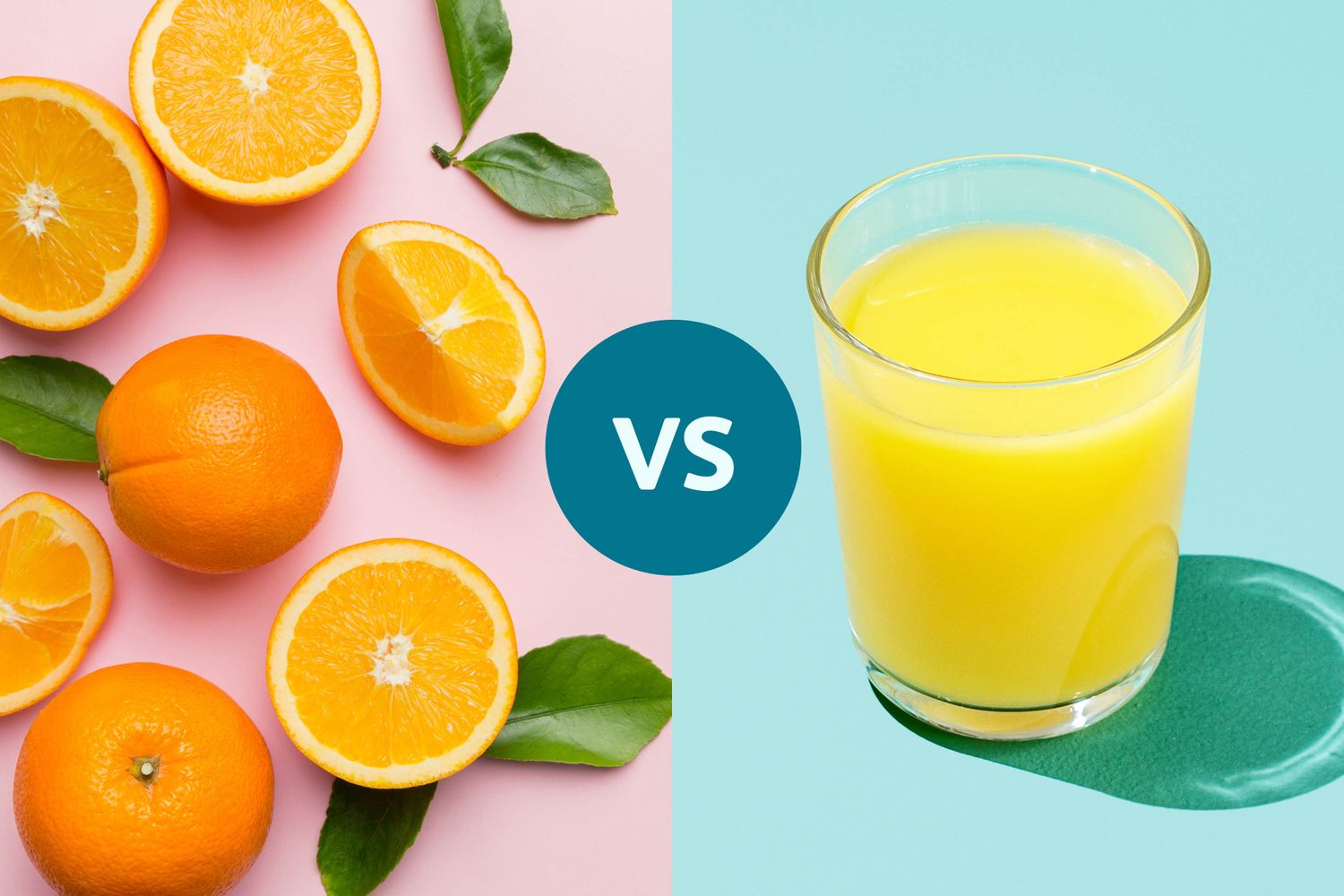
Oranges and orange juice are both rich sources of vitamin C, a nutrient that supports immune health, iron absorption, and tissue repair. Research suggests the form you choose may matter, especially when it comes to fiber, blood sugar, and how vitamin C fits into your overall diet.
Vitamin C Content of Oranges
Oranges are a citrus fruit well-known for their rich vitamin C content. One cup of oranges contains about 95.8 milligrams (mg) of vitamin C, which is more than 100% of the Daily Value (DV).
Typically, experts advise eating whole fruits over drinking juices, as whole fruits contain more fiber, which supports digestive health and also prevents blood sugar levels from spiking.
In addition, whole fruits like oranges offer the following benefits:
- Usually lower in calories
- Don’t contain added sugar
- Provide a host of other vitamins and antioxidants
Given these factors, your overall nutrient intake would be boosted when choosing this vitamin C-rich option.
Vitamin C Content of Orange Juice
Orange juice is another solid source of vitamin C. An 8-oz. cup of 100% fresh-squeezed orange juice offers 125 mg of vitamin C, which is more than 100% of the DV.
Juices like orange juice are also known for their high sugar and calorie content, with the same serving size of 100% fresh-squeezed orange juice containing 20.8 grams (g) of sugar and 112 calories.
Despite the general informal recommendation to select whole fruits over juices for their fiber and nutritional value, some research has suggested otherwise. In one test tube study, orange juice offered more flavonoids and carotenoids (both potent antioxidants) compared to the same amount of fruit.
Another study on vitamin C bioavailability found that juice provided the most efficient absorption of vitamin C, compared to consuming it through raw fruits and vegetables or a supplement.
Which One Is a Better Source of Vitamin C?
While the serving-by-serving comparison of vitamin C content in oranges and orange juice is pretty similar, there may potentially be more benefits to consuming the juice for this purpose.
Some scientific evidence suggests that the body absorbs vitamin C more effectively in juice form. At the same time, other initial findings indicate that the antioxidant content of orange juice appears to be maximized in juice compared to the fruit itself.
Because of this, you may want to consider trying a cup of OJ to meet your vitamin C intake needs. Just be sure to select a version that is 100% juice, without added sugars or other filler sweeteners or ingredients, to avoid making it a less healthy beverage.
Other Tips for Incorporating Vitamin C in Your Diet
Because the body can’t produce vitamin C on its own, you must consume it through your diet or supplements. Most adults require between 75 and 90 mg of the vitamin per day, which varies slightly based on factors such as gender and pregnancy status.
Some ways you can incorporate more vitamin C into your regular diet include:
- Remember that vegetables like red and green peppers, broccoli, tomatoes, and spinach contain high amounts of vitamin C, as do many fruits.
- Try eating vitamin C-rich foods raw, as applying heat to vitamin C through cooking, particularly boiling, can lower the nutrient content. Use cooking methods such as microwaving or steaming to minimize nutrient loss.
- Consider taking a vitamin C supplement if you’re having difficulty obtaining adequate amounts of this vitamin through your diet alone.
- Add combinations of foods to your diet to absorb as much vitamin C as possible, such as berries with nut butter or an orange along with a fortified breakfast cereal.
- Look for foods or beverages labeled as “fortified” as they may contain added nutrients, such as vitamin C or calcium.
- Consume vitamin C-rich foods in a timely manner, as storing them for a long time or exposing them to light can diminish their vitamin C content.
Because vitamin C has the potential to interfere with some types of medications, including statins, always check with a healthcare provider before making any major dietary changes or starting a new supplement.
In some cases, excessive vitamin C intake can lead to digestive side effects, including stomach cramps, nausea, or diarrhea.
:max_bytes(150000):strip_icc()/IMG_5047-9727550a95404c49a7515e66930004ef.JPG)