

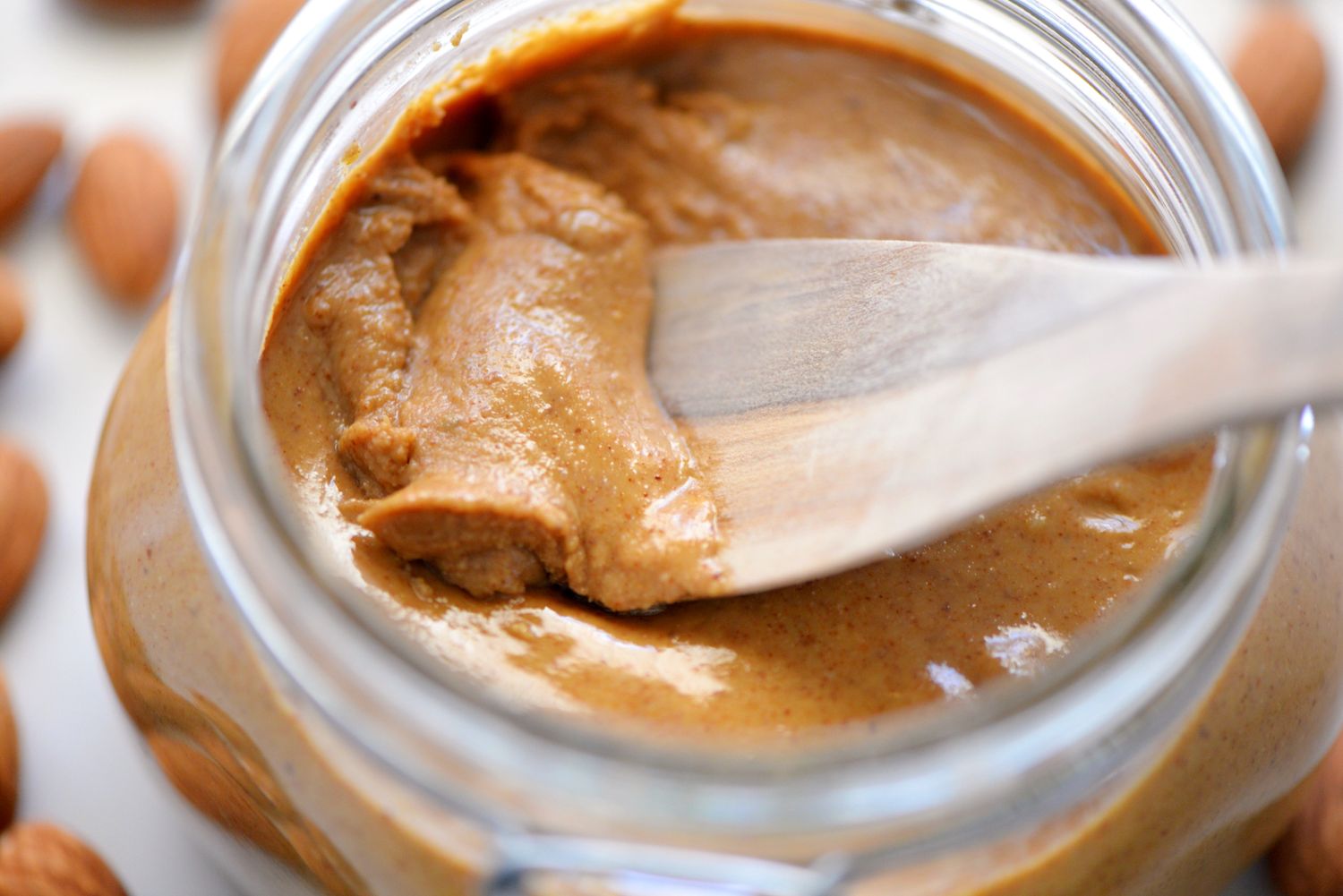
Key Takaways
- Almond butter is a slightly better choice than cashew butter when focusing on maximum protein and the healthiest fat profile.
- Cashew butter remains a nutritious alternative, especially if you prefer a creamier texture and a distinct micronutrient profile compared to almond butter.
- If your goal is to establish a healthy dietary practice and gain health benefits, consider which one you like better and will eat consistently.
Cashew and almond butters are creamy, plant-based sources of healthy fats and protein. While both are nutritious, their unique flavors and nutrient profiles may offer slightly different health benefits.
Fast Facts: One Has More Protein, But Both Provide Healthy Fats
- Almond butter generally contains more protein and healthy monounsaturated fats per serving than cashew butter.
- Cashew butter also contains monounsaturated fats, but tends to have more unhealthy saturated fat than almond butter.
- Both cashew butter and almond butter have nutrient-dense compositions, providing a rich source of plant-based protein and healthy fats.
Cashew Butter vs. Almond Butter: How They Compare
- When comparing cashew butter and almond butter from the perspectives of protein and healthy fats, almond butter emerges as the more protein-dense option with healthier fat content.
- Cashew butter remains a valuable option since it provides healthy fats and essential minerals, including more iron than almond butter.
| Protein and Fat Comparison: Almond Butter vs. Cashew Butter (Per 2 Tablespoons) | ||
|---|---|---|
| Nutrient | Almond Butter | Cashew Butter |
| Calories | 210 | 200 |
| Protein | 7.01 g (14% DV) | 5.98 g (12% DV) |
| Total Lipid (Fats) | 17 g (22% DV) | 16 g (25% DV) |
| Saturated Fats | 1.5 g (8% DV) | 3 g (15% DV) |
| Carbohydrate | 6.02 g (2% DV) | 10 g (3% DV) |
| Fiber | 3.01 g (11% DV) | 0.986 g (4% DV) |
| Calcium | 85.1 mg (6% DV) | 20.1 mg (2% DV) |
| Iron | 0.998 mg (6% DV) | 1.8 mg (10% DV) |
How to Use Cashew and Almond Butter for Protein and Healthy Fats
- Prioritizing protein in foods like cashew butter and almond butter is important because protein is essential to the development and maintenance of all body tissues, while also boosting satiety and metabolism to support weight management.
- While your needs can vary by age and overall health, the Daily Value (DV) for protein is 50 grams per day for a standard 2,000-calorie diet.
- Focusing on healthy fats in nut butters is essential because they are necessary for brain function, vitamin absorption, and hormone production, while also supporting heart health by lowering “bad” cholesterol and reducing your risk of heart disease.
- Healthy fats include monounsaturated fats and polyunsaturated fats (omega-3 and omega-6 fatty acids), while saturated fats and trans fats are considered unhealthy fats.
- The “Dietary Guidelines for Americans (2020-2025)” recommend a diet in which 20 to 35% of your daily calorie intake comes from total fat, while saturated fat is limited to less than 10% of your daily calories.
Why Cashew Butter Is Good for You
- Research indicates that the bioactive compounds in cashew nuts and cashew nut oil, which regulate satiety and food intake, may reduce cardiovascular risk factors such as neck circumference, apolipoprotein B (ApoB) levels, total cholesterol, and LDL, or “bad” cholesterol.
- In one study, adults who consumed cashews daily experienced a significant reduction in total cholesterol, LDL cholesterol, and non-HDL cholesterol compared to those who consumed a high-carb snack, such as potato chips, suggesting that eating cashews may contribute to the management of LDL cholesterol and total cholesterol.
- There is evidence that cashew nuts contain high-quality protein, which can be a valuable addition to a healthful, plant-based diet.
Why Almond Butter Is Good for You
- Research suggests that a combination of almonds’ beneficial fatty acids, fiber, antioxidant polyphenols, and micronutrients is likely responsible for their cardioprotective properties, which include improving lipid profiles and reducing the risk of cardiovascular disease.
- In one study, women who consumed almonds as a snack reported lower overall hunger drive versus those who consumed crackers or water, which researchers attributed to almonds’ high protein and fiber content, known to promote satiety.
- Adults who snacked on almonds had a much lower post-snack blood glucose response and consumed fewer calories the rest of the day than those who snacked on sweet biscuits, which may be linked to the higher protein and fiber content of almonds.
:max_bytes(150000):strip_icc()/IMG_09172-9ca0040fa5e74df0b5aac42d8125d477.jpeg)