

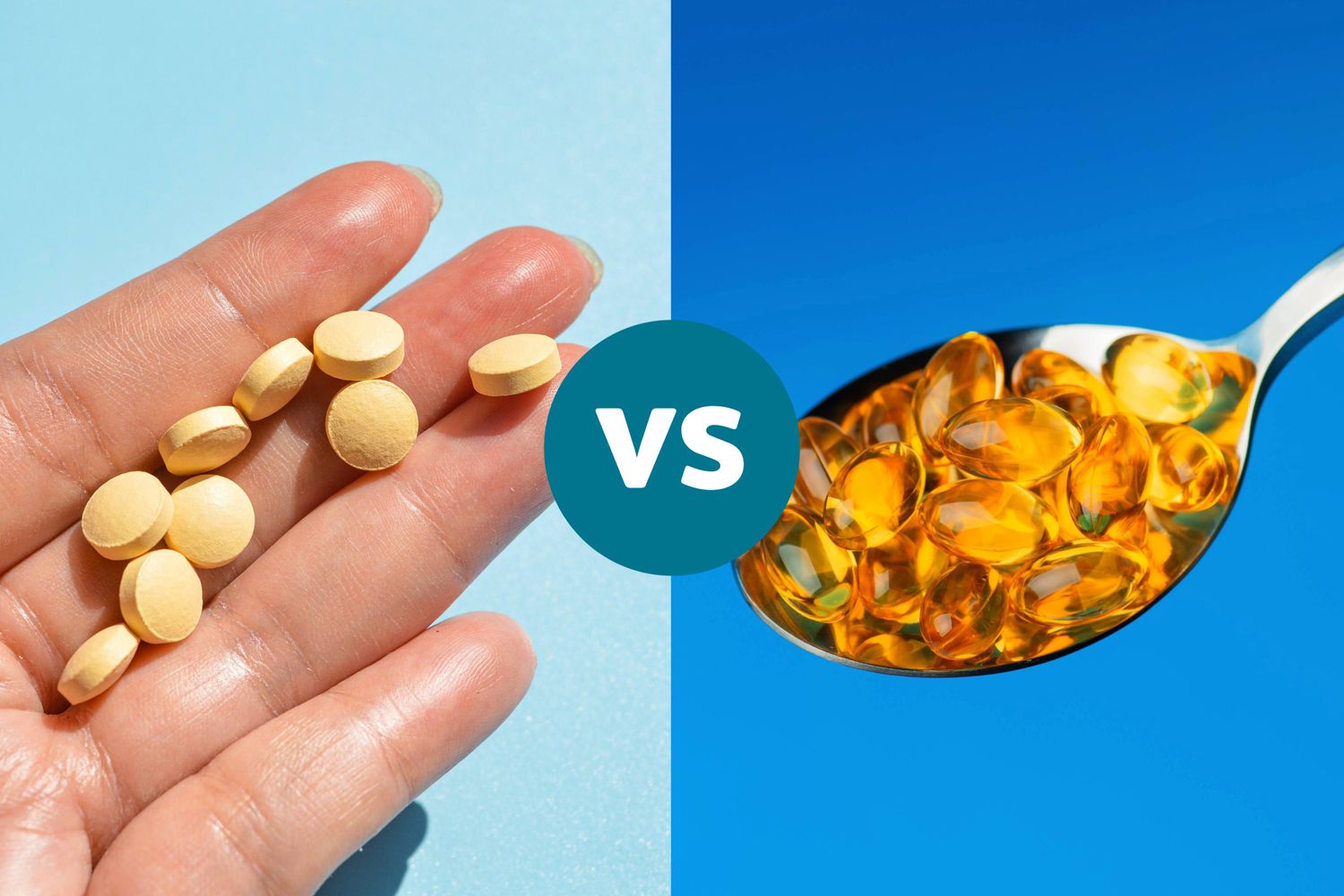
Key Takeaways
- Vitamin C helps white blood cells and can make cold symptoms milder if you take it regularly.
- Vitamin D helps your immune system recognize and respond to viruses and may lower the risk of infections.
Once cold and flu season starts, vitamin C and vitamin D often become go-to choices for extra immune support. Both vitamins may help support your immune system, but they work in different ways. Depending on your current levels, one may play a bigger role in whether you stay healthy or end up catching the next virus going around.
Vitamin C Helps Out White Blood Cells
Vitamin C is a classic immune-support supplement, and its benefits start at the cellular level. It’s a strong antioxidant, which means it may help protect your cells from damage and even has the potential to help prevent certain diseases.
Inside your body, vitamin C can:
Even with all of these roles, vitamin C isn’t a magic shield against getting sick. For example, research generally shows that it doesn’t prevent colds in most people. But when you take it consistently, not just after symptoms start, it may help you bounce back faster and experience milder symptoms.
Most adults need around 75–90 milligrams per day from their diet, although immune-support studies often use 200–500 milligrams per day.
Having low vitamin C levels is rare, as most people can get enough from their diet. On top of that, higher doses don’t seem to offer extra benefit and may cause stomach issues, so use caution when taking supplements.
Vitamin D Helps Your Body Respond to Viruses
Vitamin D plays a different type of role. It acts almost like a “messenger” that tells your immune system how to function. Adequate levels help your immune cells recognize and respond to viruses, reduce inflammation, and support healthy respiratory defenses.
Research consistently shows that individuals with low vitamin D levels are more likely to experience respiratory infections. For those people, supplementing regularly may help lower that risk—especially during the winter months or in people who don’t get much sunlight.
Most adults require 600–800 IU of vitamin D daily, but many people fall short of this amount. That’s why some healthcare providers recommend higher doses based on bloodwork.
Unlike vitamin C, it’s challenging to get enough vitamin D from food alone, so sunlight and supplements often fill the gap.
Vitamin C vs. Vitamin D: Which One Works Better for Immunity?
Research shows that both vitamin C and vitamin D contribute to immune health, but they do so in different ways. One isn’t necessarily better than the other.
Vitamin D helps support overall immune function and may lower the risk of getting certain infections, particularly in people who have low levels. Vitamin C supports the activity of immune cells and may help shorten the severity of symptoms in the common cold.
Each vitamin plays a distinct role, and getting adequate amounts of both is important for maintaining a well-functioning immune system.
How Should You Take Them?
Both vitamins are most effective when taken consistently rather than only after symptoms appear.
Vitamin D, in particular, works gradually over time and isn’t considered a treatment once you’re already sick, so maintaining adequate levels year-round is key. Vitamin C may still offer some support during a cold, but research suggests it works better when taken regularly instead of waiting until symptoms begin.
Many people choose to take vitamin D during fall and winter, when sun exposure decreases, and respiratory illnesses become more common. Vitamin C can also be taken during this time, but it’s usually not necessary, as most people obtain enough through their diet. If you are taking both, it’s safe to take them together since they don’t interfere with each other.
:max_bytes(150000):strip_icc()/MorganPearsonHeadshot-f4e60d46bf1841febdcce502314aa6d6.JPG)