

Key Takeaways
- A burning feeling when peeing after sex is often due to a urinary tract infection (UTI).
- Using lubricant during sex can prevent irritation that leads to burning when peeing.
- Sexually transmitted infections can also cause painful urination and need to be checked by a doctor.
A burning sensation during urination after sex might be caused by common issues like dryness or a urinary tract infection. Identifying these potential triggers can help you take the right steps towards comfort and relief.
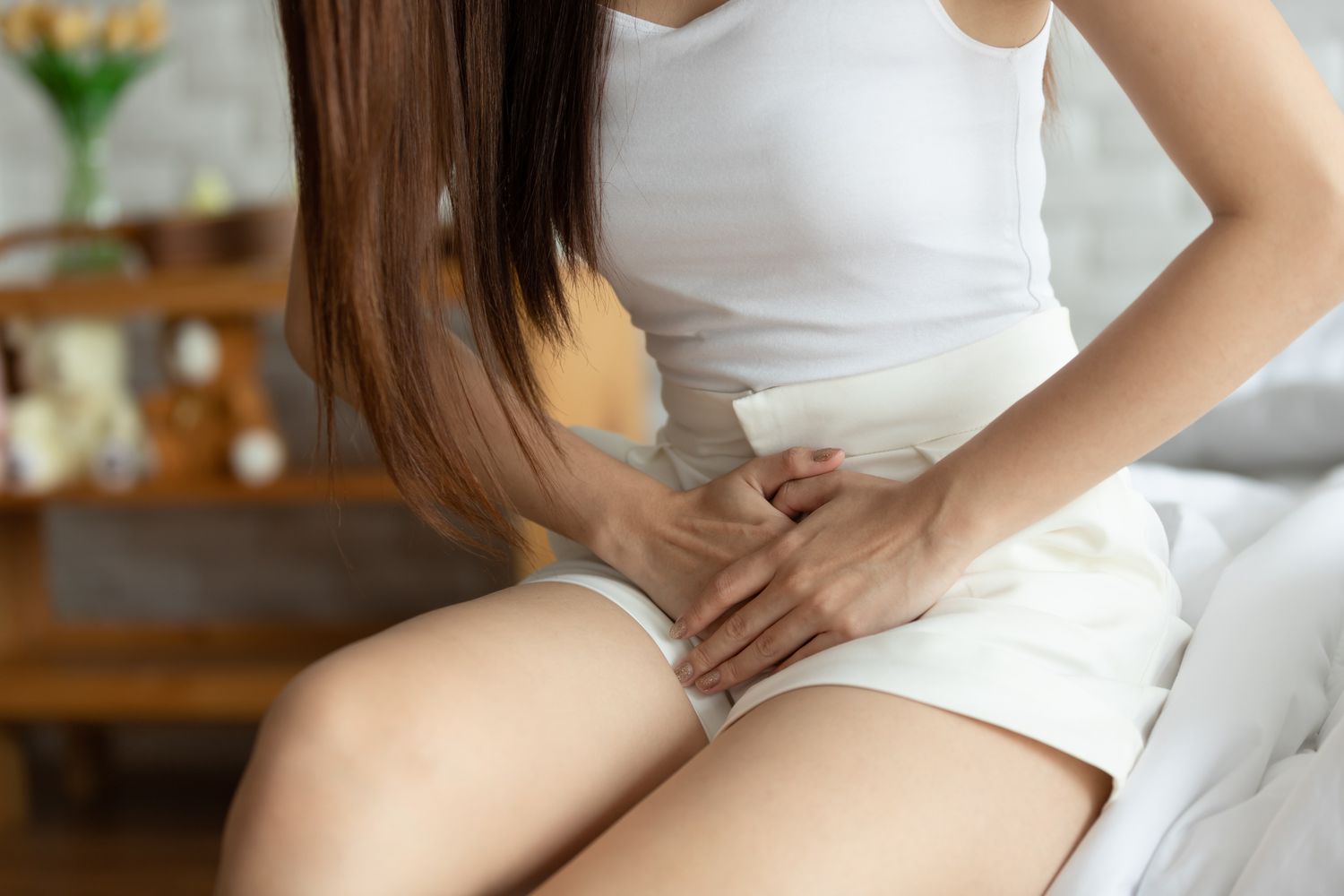
sopradit / Getty Images
What’s Causing the Burn After Sex?
There are several reasons why it might burn when you pee after sex. Some are fleeting and have a quick fix, while others may require treatment.
Urinary Tract Infection
Anyone can develop a UTI, but women get them more often than men. Women have a shorter urethra, and the opening is closer to the rectum, where bacteria live. During sex, it’s easy for bacteria on the skin to enter the urinary tract. Symptoms include a burning sensation when you pee and a frequent urge to urinate, even when your bladder is empty.
If you think you may have a UTI, see a healthcare provider. Untreated, a UTI can spread to the kidneys. Treatment options include antibiotics to clear the infection and, when needed, medicine for pain relief. You can also speed up healing by drinking plenty of water and urinating often.
Lack of Lubrication
For women, vaginal dryness can cause irritation, burning, or pain during sex or urination. Dryness tends to occur when there’s a drop in estrogen. This can happen for various reasons, including menopause, breastfeeding, and some medical conditions and medications.
Ease dryness by using over-the-counter (OTC) internal and external moisturizers. Lubricants, which you apply just before having sex, can help you feel better during intercourse. Avoid oil-based lubricants because they can cause more irritation and make condoms less effective.
If you have other symptoms or ones that don’t improve, see an ob-gyn (obsetrician-gynecologist) for treatment options.
Rough Sex or Friction
Vigorous sex or too much friction can lead to irritation of the penis or vaginal area, which can make urination uncomfortable after sex. Almost three out of four women experience pain during intercourse at some point.
Tips to make sex more comfortable include the following:
- Use a lubricant and avoid products with fragrances and other harsh ingredients on the genitals.
- Take your time to ensure you’re relaxed and ready. If it starts to hurt, try a different position.
- Talk with your partner and tell them what feels good and what doesn’t.
Sexually Transmitted Infection
There are more than 20 types of STIs (sexually transmitted infections), including chlamydia, gonorrhea, and syphilis. Similar to a UTI, an STI can cause painful or frequent urination. Other symptoms may include discharge from the penis or vagina and genital redness or itching.
STIs don’t always cause symptoms, but the infection can still spread during sex. See a healthcare provider for treatment options if you suspect you have an STI. Correct use of latex condoms reduces the risk, but to completely prevent an infection requires avoiding vaginal, oral, or anal sex.
Allergic Reactions
You may have a sensitivity or allergy to chemicals in products used on or around male or female genitals. Products that may irritate the skin include:
- Body soaps, laundry detergents
- Bath bubbles, salts, and oils
- Douches, vaginal deodorants
- Premoistened wipes
- Panty liners
- Lubricants and moisturizers
- Latex condoms
- Contraceptive foams and gels
Some potential allergens include:
- Benzocaine (an anesthetic)
- Chlorhexidine (main ingredient in K-Y Jelly)
- Fragrances
- Imidazole antifungal (a topical drug)
- Latex (in condoms and diaphragms)
- Neomycin (an antibiotic)
- Propylene glycol (a preservative)
- Tea tree oil (oil from the Australian tree Melaleuca alternifolia)
Other symptoms are itching, redness, or general irritation. It can take a few days after exposure for symptoms of an allergic reaction to appear.
Skin Conditions or Inflammation
In women, skin conditions that might affect the vulva include eczema, psoriasis, lichen sclerosus, and lichen planus. Each of these can cause inflammation and irritation, leading to a burning sensation when you pee.
Tips for Prevention
Depending on the cause, there are a few ways to cut down on that burning sensation when you pee after sex.
Urinating After Sex
Urinating after sexual activity can help flush out bacteria that can cause a UTI. Due to anatomical differences, females get UTIs about 30 times more often than males. And sexually active women are at higher risk than those who are not.
When it comes to preventing UTIs, peeing after sex has a greater benefit for women than men. However, it doesn’t prevent STIs or other medical conditions.
Hygiene Practices
It only takes water and mild, unscented soap to keep the genital area clean. Gently pat yourself dry. Shaving is a choice, but it’s not necessary for cleanliness.
The vagina is naturally self-cleaning, so there’s no need for douches or special vaginal cleansers or deodorizers. After using the toilet, always wipe from front to back.
Communication With a Partner
Open, honest communication with your partner can enhance your sex life. Just as you might discuss things you enjoy, it’s important to discuss things that hurt or make you uncomfortable. Work on solutions that benefit you both. Research suggests that better sexual communication is associated with greater sexual function.
When to Contact a Healthcare Provider
A minor burning sensation when you pee after sex doesn’t necessarily mean you need medical attention. But because painful urination can be a symptom of a condition such as a UTI or an STI, see a healthcare provider if you have these signs:
- Continuing painful urination
- Frequent urination or the urge to go even if your bladder is empty
- Urine that is cloudy or contains blood
- Unusual discharge from the penis or vagina
- Genital itching, redness, sores, or warts
- Blisters or sores around the mouth
- Anal blisters, sores, or bleeding
- Nausea, vomiting
- Fever, chills
- Mid-back or abdominal pain
:max_bytes(150000):strip_icc()/apietrangeloprofilepic-cd628e8c03e14150957e86a4265d5be0.JPG)