

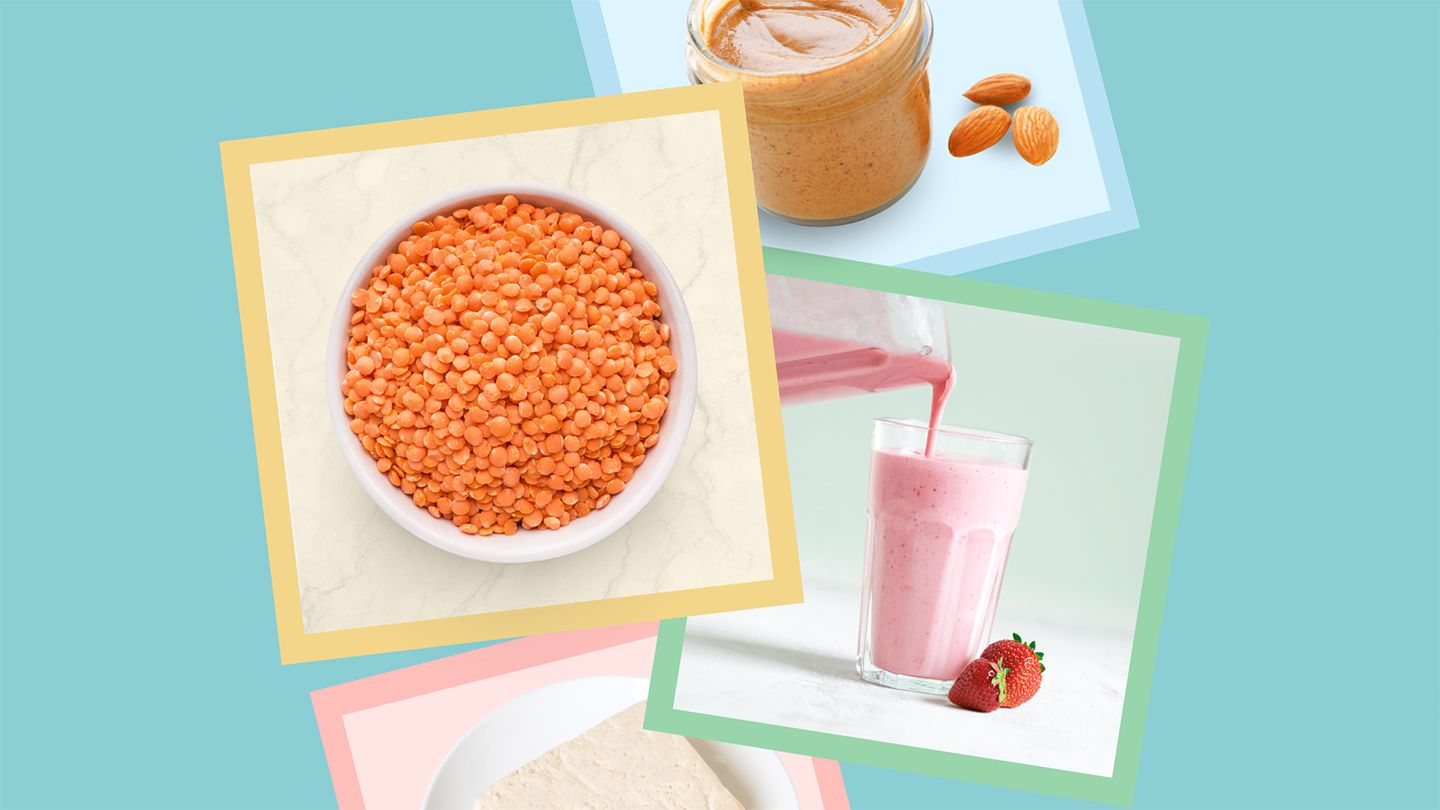
Cancer and its treatments come with a lot to navigate. If you’re undergoing cancer treatment and have been told to get more sleep, exercise, or protein, it can feel very overwhelming — especially if you’re just trying to get through the day. Meeting basic nutrition goals may feel nearly impossible when you have no appetite, food tastes weird, or you’re dealing with constant nausea.
That said, it’s important to remember why protein matters. Cancer and cancer treatments like chemotherapy, radiation, and surgery cause protein to break down, so your body needs more of it to keep up. Protein gives your body the building blocks it needs to repair tissue, support immune function, maintain muscle mass, and protect against cancer-related cachexia (wasting syndrome) and physical stress.
Here are the protein sources to prioritize and tips to optimize your intake during cancer treatment and recovery.
How Much Protein Do You Need?
What does that look like in terms of food for the average adult?
For most adults, this translates to about 75 to 110 g of protein per day. For example, a person weighing 150 pounds (lb) may aim for 85 to 100 g per day. When spread across the day, this may end up being 25 to 30 g of protein per meal.
I recommend leaning toward plant sources of protein (more on that later). Here is what a plant-forward day of eating 90 g of protein could look like.
- Breakfast A smoothie made with soy milk, banana, frozen berries, almond butter, and flaxseeds (Optional: plant protein powder to boost protein)
- Lunch Lentil soup with roasted vegetables drizzled with olive oil and topped with hemp seeds (Optional: Blend in silken tofu for added protein)
- Snack Options (High Protein and High Fiber) Soy or protein-fortified almond yogurt with chia seeds, roasted edamame, handful of nuts and seeds with an apple, or a protein bar with limited ingredients
- Dinner Tofu stir-fry with vegetables over brown rice or quinoa
Why I Emphasize Plant Protein
As a lifestyle medicine physician, I can tell you that it’s not just about reaching a protein target — the protein source matters, too.
My Favorite Plant Proteins
My favorite plant protein is soy, and it deserves special attention for a reason.
These are staples I rely on in my own kitchen to reduce my own risk of cancer, since I am a genetic mutation carrier.
Tips for Adding Protein When Eating Feels Hard
Some of the most common cancer treatment-related side effects are poor appetite, changes in taste, nausea, and vomiting. And sometimes, just the act of eating itself can feel overwhelming and exhausting.
Here are some strategies that worked well for my palliative care patients.
- Eat smaller portions, more frequently. These meals may look like heavy snacks rather than a full meal.
- Try smoothies or shakes to boost protein intake when appetite is low. You can make one at home with simple ingredients or buy a high-quality, plant-based option like Kate Farms. These premade shakes can be a practical and convenient way to support your protein, fiber, and essential nutrient needs when eating full meals feels difficult.
- Choose softer foods like soups, stews, purees, or oatmeal. These are easier to chew, swallow, and digest, and require less energy to eat, which can make a meaningful difference when dealing with fatigue and nausea.
- Use simple protein boosters anywhere: Add hemp or ground flaxseed to oatmeal, stir nutritional yeast into soups or pasta, add textured vegetable protein (TVP) to sauces or stews, keep roasted chickpeas or trail mix nearby, or spread nut butter on toast, fruit, or crackers.
Here’s What I Want You to Take Away
During cancer treatment and recovery, increasing your protein intake is about preserving lean muscle mass, maintaining strength, supporting your immune system, and protecting your quality of life. When you prioritize plant-based proteins, you get the added benefits of fiber, essential nutrients, and supporting long-term cancer risk reduction and longevity.
This season isn’t about perfection or an Instagram-worthy plate. It is about meeting your body where it is, even if that means you’re doing it with a smoothie, a bowl of soup, or just a handful of edamame at a time.