

:max_bytes(150000):strip_icc():format(jpeg)/DSC_4992-5766ffe25f9b58346ad9628a.JPG)
Key Takeaways
- CPAP might not work right away, and feeling better can take several weeks.
- A CPAP mask that doesn’t fit can leak or cause marks and pain on the face.
- A heated CPAP humidifier can help with a dry or stuffy nose.
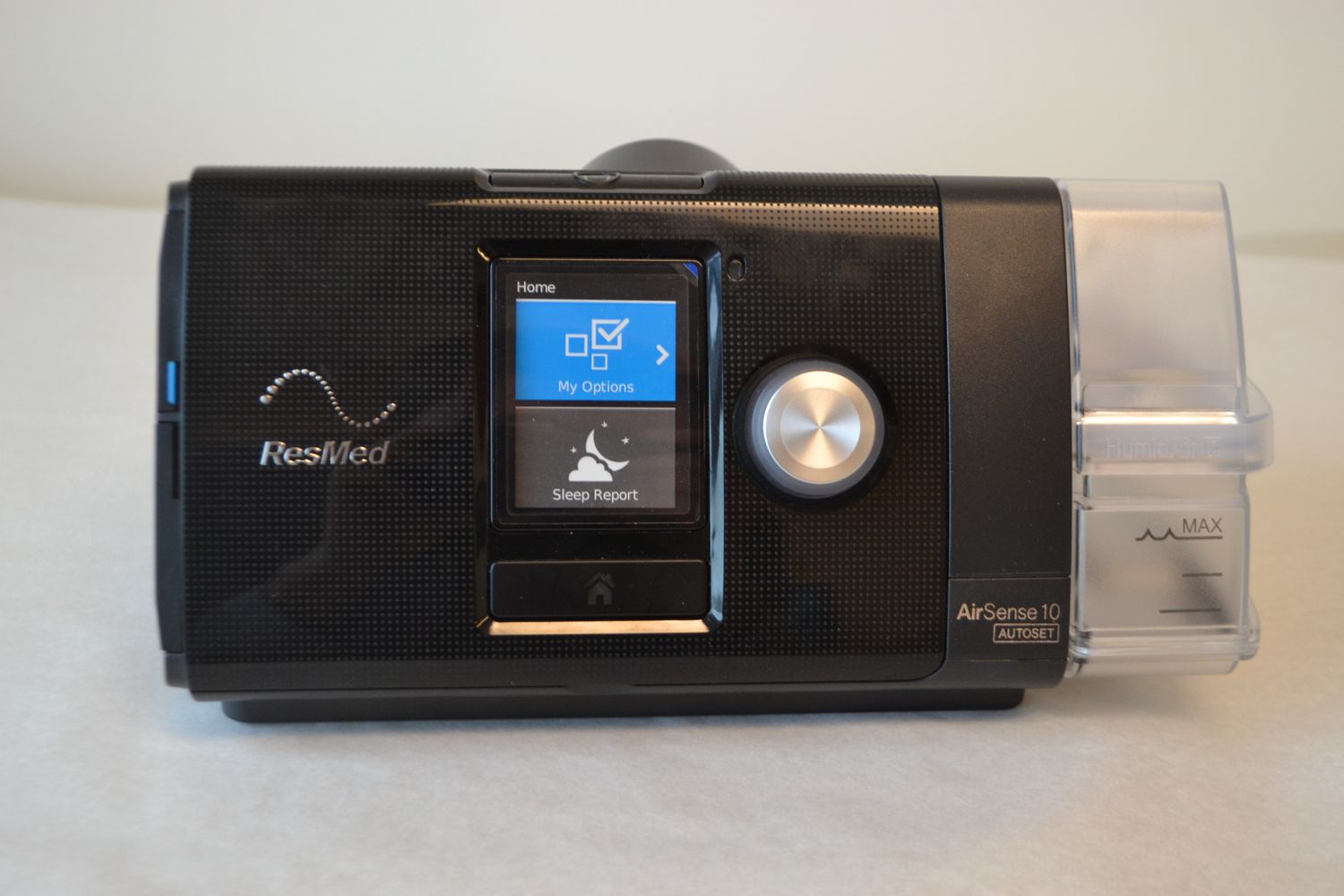
Continuous positive airway pressure (CPAP) therapy, a machine that applies mild pressure to keep the airway open while you sleep, can be effective in treating sleep apnea, but some people may not feel better when first starting treatment. Your equipment, therapy time of use, and co-occurring health issues affect CPAP treatment and may require adjustments in your care.
Brandon Peters, MD
1. You Just Started Treatment
The amount of time it takes for CPAP therapy to work differs from one person to the next. If sleep apnea is severe prior to treatment, the improvement may be more obvious:
It can take several weeks before you feel the impact of CPAP therapy. In time, you may see the benefits on your apnea-hypopnea index (AHI) report and with improved blood pressure readings.
Realistic expectations are important. Even when using a CPAP correctly, you may experience residual excessive daytime sleepiness for other reasons that CPAP can’t treat. Studies have, for example, linked 42 different gene locations with excessive daytime sleepiness. Other therapies may be needed to treat related sleep or metabolic conditions.
Your healthcare provider can help as you cope with a transition to CPAP use. If you are not noticing any improvement, speak with your sleep specialist about ways to adjust your therapy to work better for you.
How Long Does It Take for a CPAP to Reduce Fatigue?
Most people adjust to the use of CPAP in a week or two and begin to notice benefits right away. However, the amount of time can vary depending on the person. CPAP is sometimes known to cause insomnia, discomfort, and bloating (referred to as “CPAP belly”), but symptoms typically resolve.
2. Your Sleep Apnea Is Mild
People with mild sleep apnea are defined as having between five and 14 breathing interruptions per night. At this level, many people have little, if any, daytime sleepiness and score low on the Epworth sleepiness scale—meaning they don’t need treatment for daytime sleepiness.
But that doesn’t mean that they don’t need treatment for sleep apnea. If left untreated, mild sleep apnea is likely to progress over time and become worse. This, in turn, can increase your risk of long-term complications, such as diabetes, heart disease, and stroke.
Even over the short term, CPAP can benefit people with mild sleep apnea, in part because they may not realize how much the condition affects them and consider their current state as being “normal.” It is only after treatment that they may realize that their “normal” was not, in fact, so.
According to a 2020 study in Lancet Respiratory Medicine, people treated with CPAP had better vitality scores—a subjective measurement of one’s health, wellness, and energy—than those who were not. At the end of the three-month trial period, those treated with CPAP had a vitality score of 7.5 out of a possible 10 compared to 1.5 for those who were not treated.
3. You Are Not Using It Long Enough Each Night
It can be hard to adjust to CPAP therapy. You may want to remove your mask, especially as it gets closer to the morning. The problem with this is that sleep apnea often gets worse as morning approaches.
Rapid eye movement (REM) sleep mostly occurs in the last third of the nightly sleep cycle. During this stage, the soft tissues in your throat, such as the tongue and soft palate, will temporarily relax. When this happens, your airways will narrow or collapse, cutting your breathing off momentarily.
In order to reap the benefits of CPAP, you need to commit to wearing the mask from bedtime right up until the time when you awaken in the morning.
4. Your CPAP Mask Doesn’t Fit Properly
Using a CPAP machine is not without its challenges. Some people may struggle with the fit of the CPAP mask which, if not properly sized, can leak or cause marks, pain, sores, or ulcers on the face.
To better overcome this, work with your healthcare provider to find the mask best suited for your face. You can try other options, including nasal pillows, nasal masks, and full-face masks.
5. You Have Congestion or a Dry Nose
A stuffy nose or dry nasal passages can cause discomfort, making it harder to sleep with your CPAP. Congestion can be caused by a cold or allergies, or your CPAP could cause a dry nose from the large amounts of air coming through the machine.
A heated CPAP humidifier can help provide relief by increasing the moisture coming through the machine. (Be sure to use only distilled water in the humidifier.) If you have a cold or allergies, try using a saline nasal spray to clear the passages in your nose. If you continue to experience symptoms, contact your healthcare provider.
6. You Have Insomnia for Other Reasons
Insomnia, a condition in which you have trouble falling or staying asleep, is a common symptom of sleep apnea.
If you have insomnia prior to undergoing CPAP therapy, the very notion of putting on a mask for a machine that blows air in your face may not sound like a remedy that would help.
However, it is important to remember that the main reason for insomnia in people with sleep apnea is that breathing interruption awakens them, sometimes multiple times a night. CPAP can help reduce this and allow you to get a full night’s rest.
If your insomnia seems to be getting worse with CPAP, ask your healthcare provider about sleep aids or ways to improve your sleep hygiene. There are also therapists trained in cognitive behavioral therapy for insomnia (CBTI) who can help.
7. Your CPAP Pressure Needs Adjusting
You may not get the full benefit of treatment if your CPAP settings are incorrect. These settings regulate the pressure of air delivered to your mask.
If the setting is too high, you may struggle to exhale and find yourself waking in the middle of the night. If the setting is too low, you might continue to have frequent breathing gaps and wake up in the morning feeling tired.
Ideally, aim for fewer than five interruptions per hour. If it is more than this, the CPAP setting may need to be increased. If you find yourself struggling against the air pressure, the setting may need to be decreased.
If you still find that breathing against the air pressure is difficult, ask about CPAP machines with a “ramp” feature. This allows you to start at low air pressure and gradually increase as you fall asleep.
Finding the right CPAP setting can take trial and error. One way to get there faster is to check the nightly apnea-hypopnea index (AHI) report on your machine. The AHI report will tell you how many breathing interruptions you had per night. Your healthcare provider may want to adjust settings based on blood oxygen and other factors, too.
8. You’re Gaining Weight
In the past, CPAP was thought to lead to weight loss. Recent studies suggest that this may not be the case and that people often gain weight.
In such cases, an improved diet and routine exercise can mitigate the risk. Exercise is especially beneficial for people with sleep apnea, increasing the tone of the upper airways and reducing the accumulation of fluid in the neck that can contribute to airway collapse.
At the same time, CPAP can cause you to swallow air if the setting is too high, leading to bloating and abdominal distention. Adjusting the machine to a lower setting may prevent this and reduce the appearance of a bulging belly.
How much weight do I need to lose to cure sleep apnea?
Research suggests that if you have moderate obesity, shedding 10% of your weight may relieve your symptoms by up to 50%. Losing more weight may reverse sleep apnea altogether.
9. You Have Central Sleep Apnea
In some people, CPAP therapy can lead to a condition known as complex sleep apnea. This occurs when the brain “forgets” to tell the respiratory muscles to make you breathe.
This condition is a type of central sleep apnea in which the brain is the cause of the breathing gaps, as opposed to obstructive sleep apnea, in which the airways physically collapse.
Central sleep apnea can also be associated with other health conditions, including heart failure and irregular heart arrhythmias like atrial fibrillation. It’s also more common in people who live in high altitudes.
Talk with your healthcare provider about making CPAP adjustments or trying other treatments if your symptoms don’t resolve, and central sleep apnea may be an issue.
When to See Your Sleep Specialist
If you continue to feel tired when using a CPAP machine, see your healthcare provider or sleep specialist. Your machine may need an adjustment, or you may have an unrelated condition. Other health conditions can occur alongside sleep apnea and cause insomnia, including:
- Restless leg syndrome
- Anxiety
- Depression
It’s important to find the source of your sleep issues since it can impact your health. In the short term, sleep deprivation can affect your ability to fight off germs that cause illnesses like the cold or flu. In the long term, it can increase your risk for chronic diseases, including heart disease, high blood pressure, and stroke.
Alternatives to CPAP
Other ways to manage sleep apnea may include:
- Weight loss
- An oral appliance or other type of device to help with breathing
- Experimenting with different sleep positions
- Medication
- Surgery to remove enlarged tonsils (tonsillectomy), or to fix an elongated palate or enlarged uvula (uvulopalatopharyngoplasty)
- Outpatient surgery to place Inspire, an upper airway stimulation system that detects breathing patterns and stimulates nerves to maintain an open airway