

Published February 25, 2026 07:07AM
When anger rises, it rarely whispers. It surges. Heat radiates toward your chest and face, your jaw tightens, your breath shortens, and suddenly you find yourself reacting in ways that you sometimes later regret.
Physiologically speaking, feeling hot-headed is your body’s regulatory answer to anger. Contemporary science has shown that your heart rate increases, your blood pressure rises, and your core body temperature climbs as the emotion activates the sympathetic nervous system, which is the body’s fight-or-flight response.
Ayurveda, the ancient sister science of yoga, has also observed these reactions to anger. According to Ayurvedic wisdom, anger is understood as an excess of pitta. This is the dosha, or type of body and mind, governed by fire, intensity, transformation, and ambition. When pitta is aggravated and imbalanced, emotions such as frustration, competition, and sharp criticism quickly surface.
In both contemporary science and Ayurveda, the goal is the same: Lengthen the breath. Slow the reaction. Practicing yoga can help.
How Practicing Yoga for Anger Calms You
Research shows that slow breathing, forward folds, and mindful stillness help regulate the autonomic nervous system. These yoga poses support parasympathetic activation (the rest-and-digest state), which counterbalances the stress response. Slower exhalations also stimulate the vagus nerve, a key player in our nervous system that signals the body to lower its heart rate and return to calm and equilibrium.
There are various Ayurvedic practices to decrease this internal heat and help you feel less intense, less reactive, and more able to let things go. This internal housecleaning reflects the practice of saucha or cleanliness, which extends beyond mere hygiene and includes clearing away inflammatory thoughts. According to this teaching, the objective isn’t suppressing feelings. Rather, it’s clearing the underlying blockages so heat can move through us without becoming stuck or explosive.
When anger has no outlet, it builds until even the smallest thing feels overwhelming, says Cindi Odle, yoga teacher and owner of Fire & Flow Yoga in Indianapolis, Indiana. She explains that through conscious movement, “this stuck energy begins to release, creating space for more ease and peace.”
Moving on the mat in between poses and finding stillness in each posture can help you learn to pause in overwhelming situations. In that pause, your decision-making returns. The more you practice, the more even-keeled you become, explains Odle. “You become slower to react, quicker to calm, and better able to meet life with steadiness,” she says.
Keep in mind, anger is information, not one’s identity. Yoga doesn’t eliminate anger; it creates space around it. In that space, you regain the ability to choose your words and actions with clarity and patience.
5 Ways to Practice Yoga for Anger
While all yoga asanas aim to cultivate the niyama, or observance, of svadhyaya (self-study), the ability to observe emotions and thoughts without immediately identifying with them, certain postures are particularly helpful when we are caught in the heat of intensity. Beyond the physical release these shapes provide, they invite us to remain the witness, using the breath as an anchor to ground our awareness as we navigate the storm of our emotions when they arise.
1. Half Spinal Twist (Ardha Matsyendrasana)
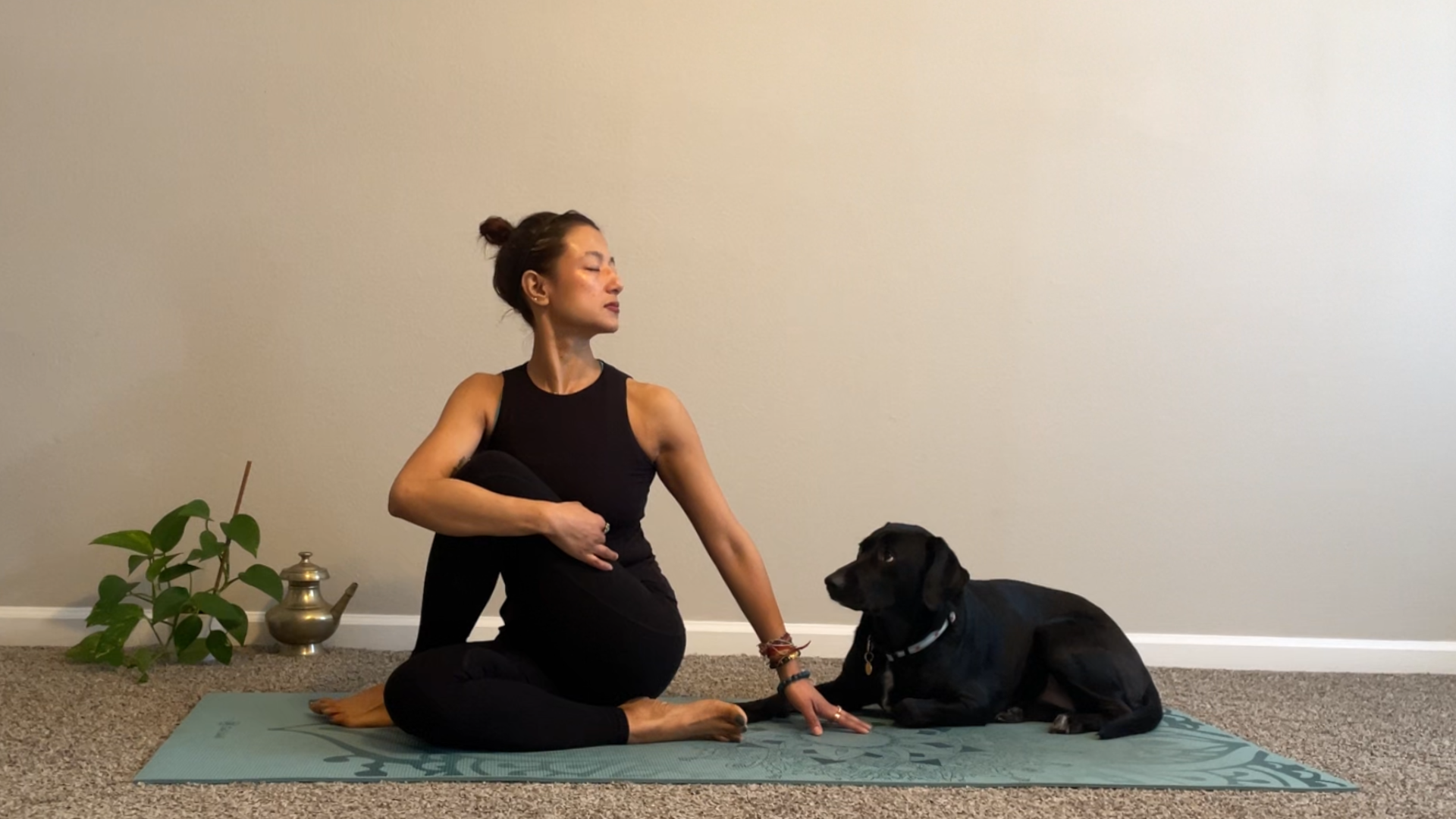
Twisting poses are excellent for wringing out emotional as well as physical tension. In yogic and Ayurvedic traditions, anger is often considered a “heated” emotion that we physically store in the mid-back and chest. Twists help release physical tension and also encourage slow, rhythmic breathing that helps clear the mental fog of frustration.
How to: Sit with your legs extended straight in front of you. Bend your left knee and step your lef foot alongside your outer right thigh. Keep your right leg straight. Inhale as you lengthen your spine, then exhale as you twist your chest toward the left, hooking your right elbow against your outer left knee. Place your left hand or fingertips on the mat or a block behind you for support. Release your shoulders away from your ears. Stay here for several breaths. Repeat on the other side.
Focus on: There can be a tendency to hold the breath in twists. Instead, keep your breath slow and steady. With each exhalation, imagine you are physically wringing out the tension held around your rib cage.
2. Wide-Legged Standing Forward Bend (Prasarita Padottanasana)
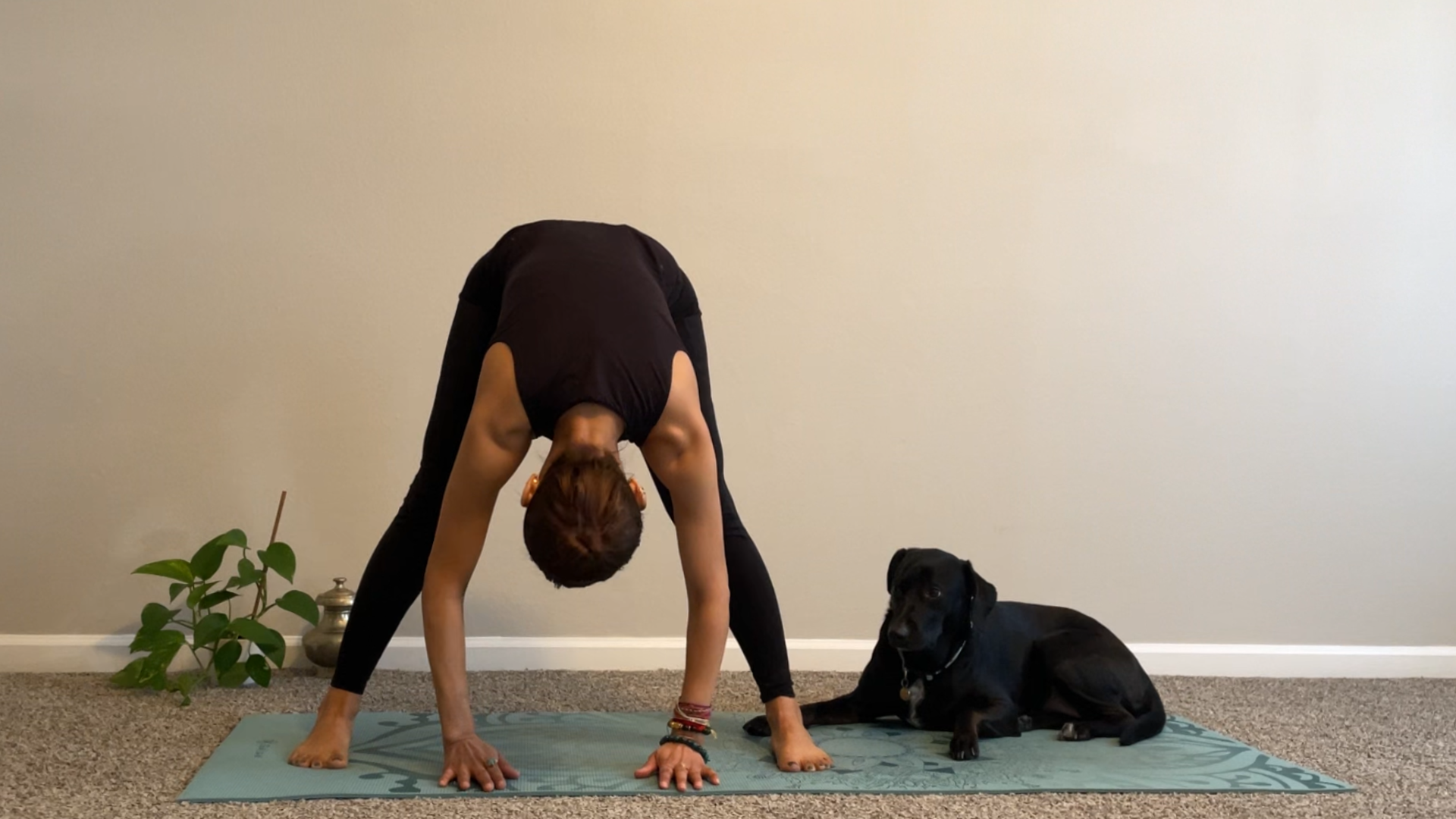
When anger makes you feel exasperated or explosive, try taking your head below your heart, which signals the nervous system to shift from agitation to a state of calm. Although forward folds tend to be inherently calming, the wide stance of this pose brings a component of stability and grounding.
How to: Stand with your feet 3 to 4 feet apart, toes pointing slightly inward. Inhale as you lengthen your spine, then exhale as you hinge at the hips and fold forward. Place your hands or fingertips on the floor, a block, or your ankles. Let your head hang heavy, releasing any tension in your neck.
Focus on: Let the crown of your head reach toward the floor. Visualize your anger draining out from your head and shoulders and into the earth beneath you.
3. Bound Angle Pose (Baddha Konasana)
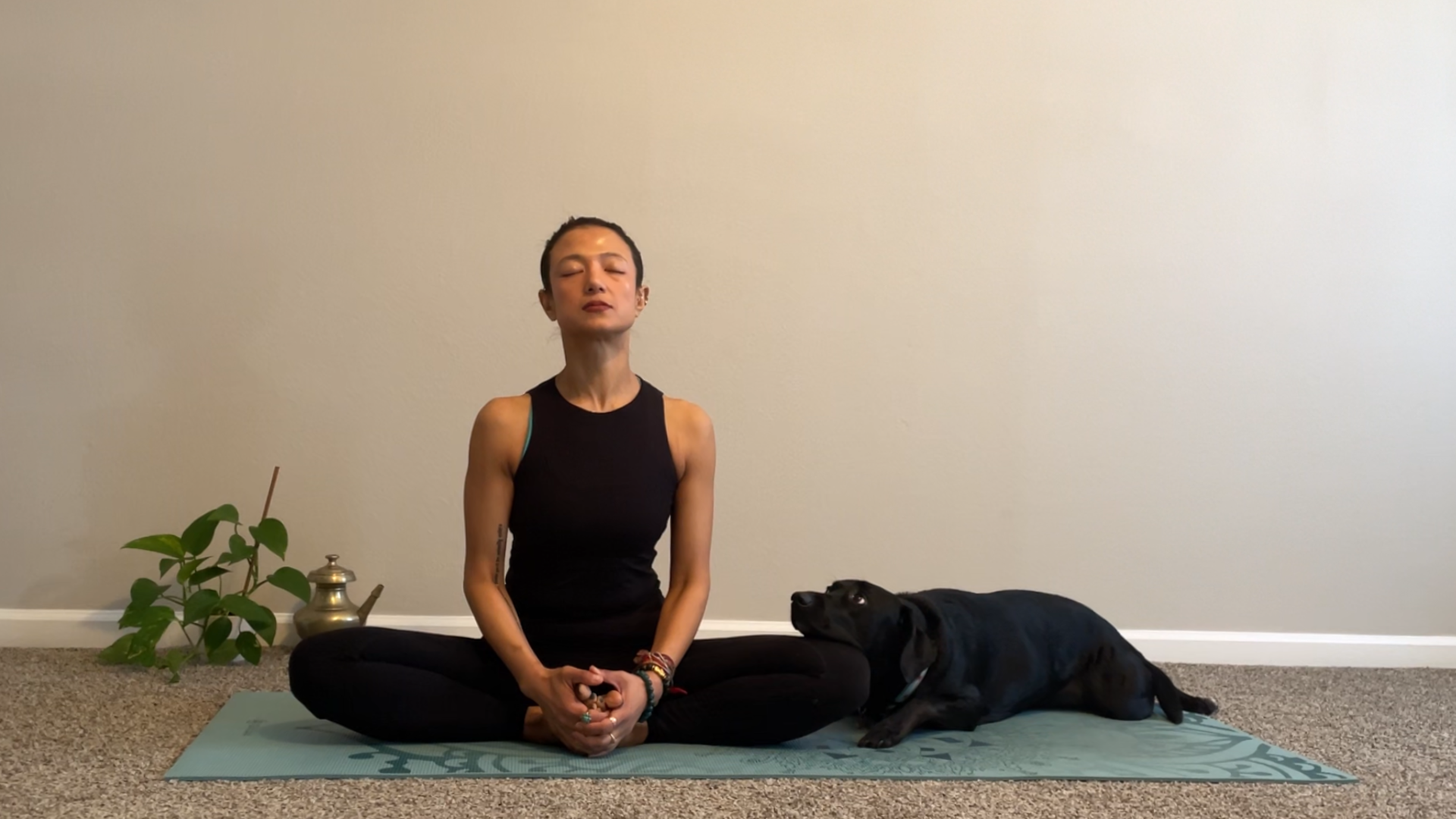
In yogic tradition, the hips and pelvic floor are understood to be primary storage sites for suppressed emotions. When we feel anger, it often manifests as physical tightness and a sense of “heaviness” in those areas; this pose targets these areas to help release that stored tension . It is a humble, grounding posture that brings you back to center and can help with reducing anxiety.
How to: Sit on the floor with your legs extended straight in front of you. Bend your knees and bring the soles of your feet together, letting your knees fall to the sides. Loosely hold onto your feet, ankles, or shins. Sit tall through your spine to lengthen your torso. Stay here or gently hinge at your hips to fold forward, which can further calm the nervous system.
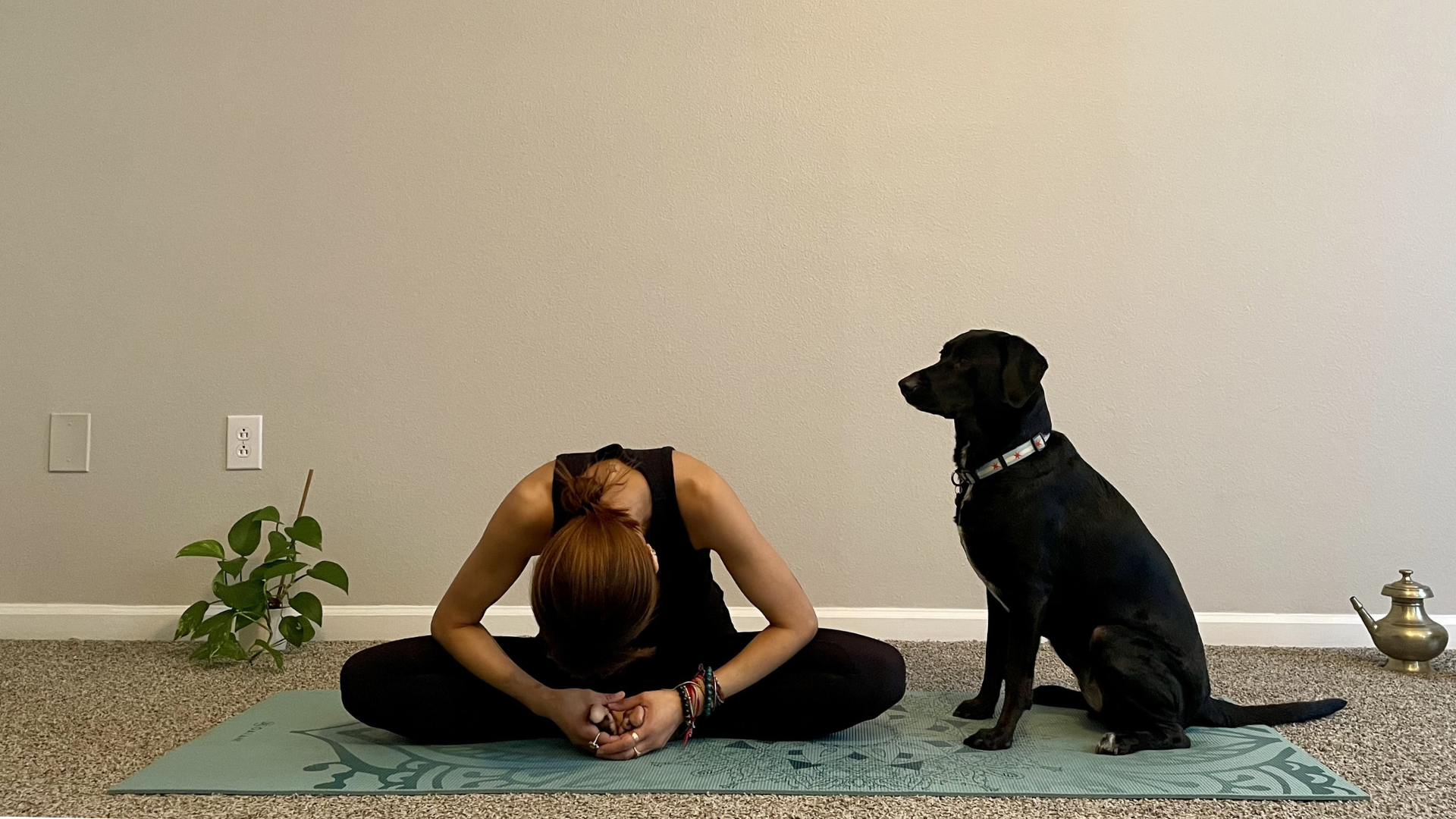
Focus on: Instead of forcing your knees toward the mat, focus on releasing the inner thighs. Invite your hips to surrender, allowing the legs to become heavy and loose with the help of gravity.
4. Lotus Pose (Padmasana)
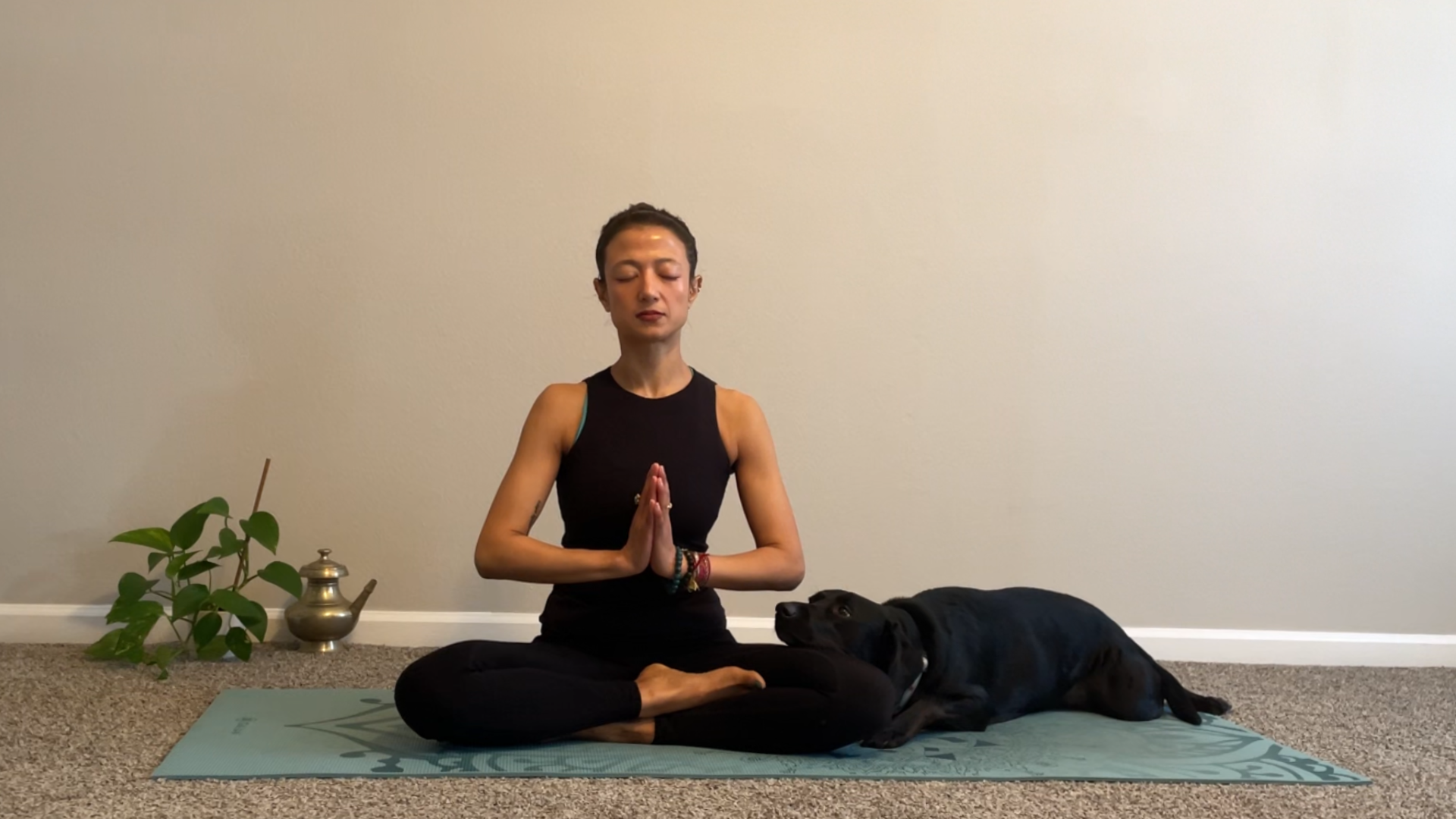
This seated pose offers profound stability, creating a “locked-in” base that discourages the scattered energy of anger. Its symmetrical structure promotes a sense of internal containment, encouraging you to observe your emotions from a detached, objective perspective rather than reacting to them.
How to: Sit on the floor with your legs extended straight in front of you. Bend your right knee and place your right foot on your left thigh, bringing the heel toward your navel. Repeat with your left leg, placing the left foot onto your right thigh. Keep your spine long, rest your hands on your knees, and close your eyes. If this causes any strain, opt for a more comfortable version by taking your angles to the mat or try a cross-legged position (Sukhasana).
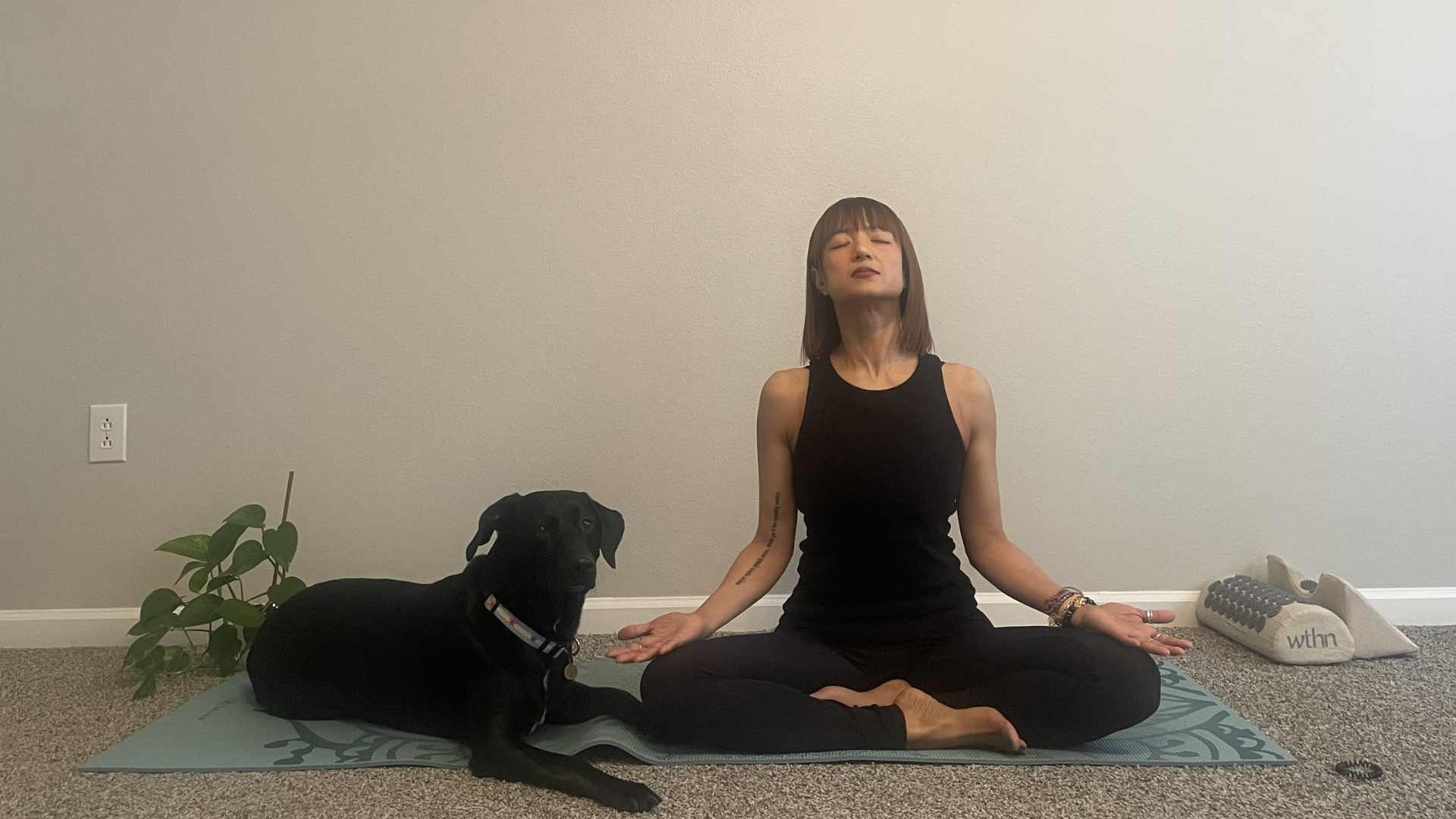
Focus on: Feel the firm, symmetrical seal of your legs. If frustration surfaces, focus on the stillness of your physical frame and allow that silence to become the observer of your thoughts.
5. Corpse Pose (Savasana)
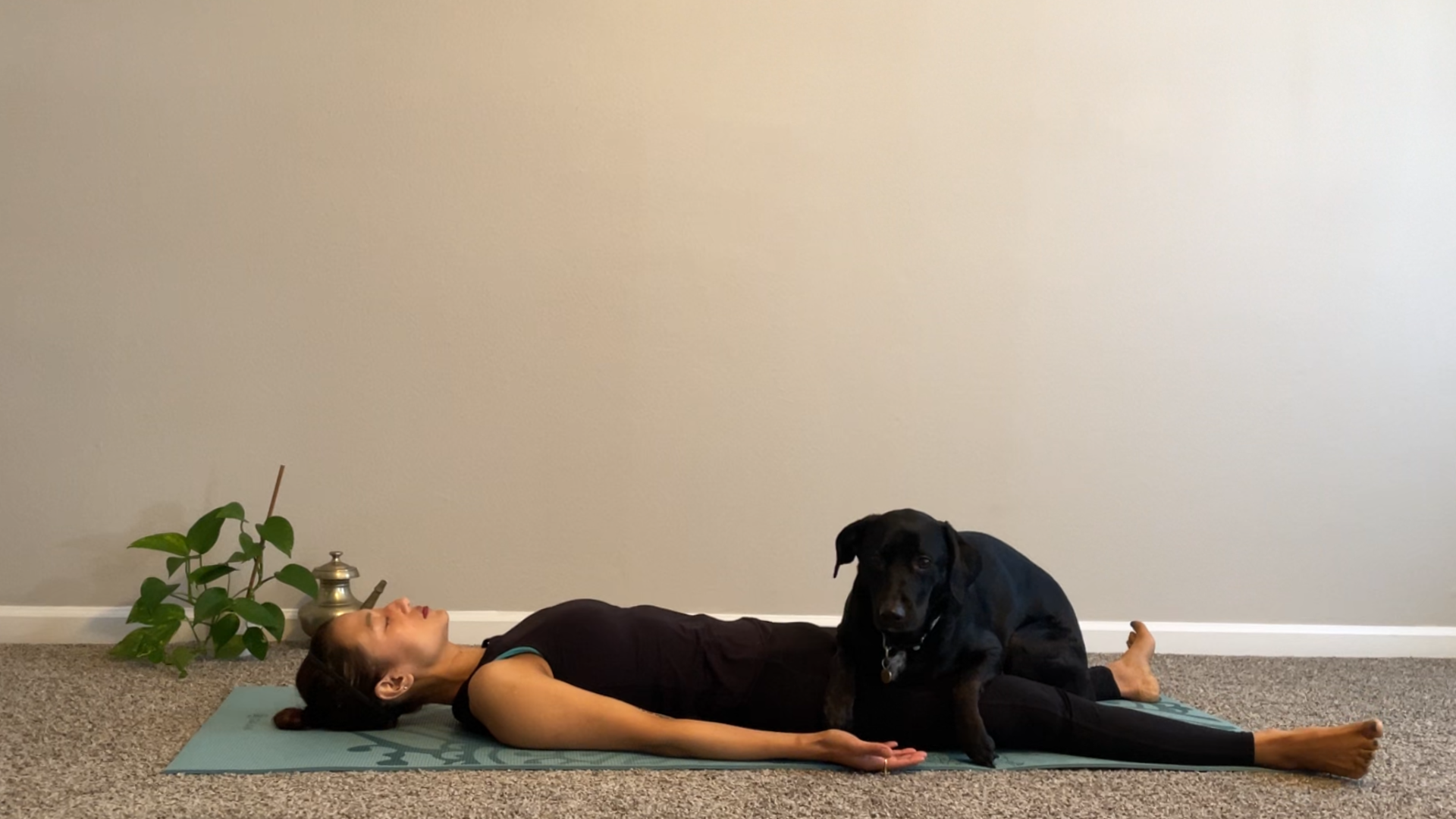
In the context of anger, Savasana is your “cool down.” It is the practice of total surrender. After a practice aimed at releasing frustration, this final pose allows you to integrate that release and move from a state of reactivity to a state of neutrality.
How to: Lie flat on your back. Extend your legs straight in front of you, slightly wider than your hips, letting your feet fall out to the sides. Rest your arms alongside your body, palms facing upward to signify openness and letting go.
Focus on: Scan your body from your toes to your forehead, consciously releasing any grip you are still holding in your jaw, shoulders, belly, hips, or elsewhere. Release the need to “fix” anything, just exist. Let your breath return to its natural rhythm, and notice the quiet space that remains once the fire of anger has simmered down.