

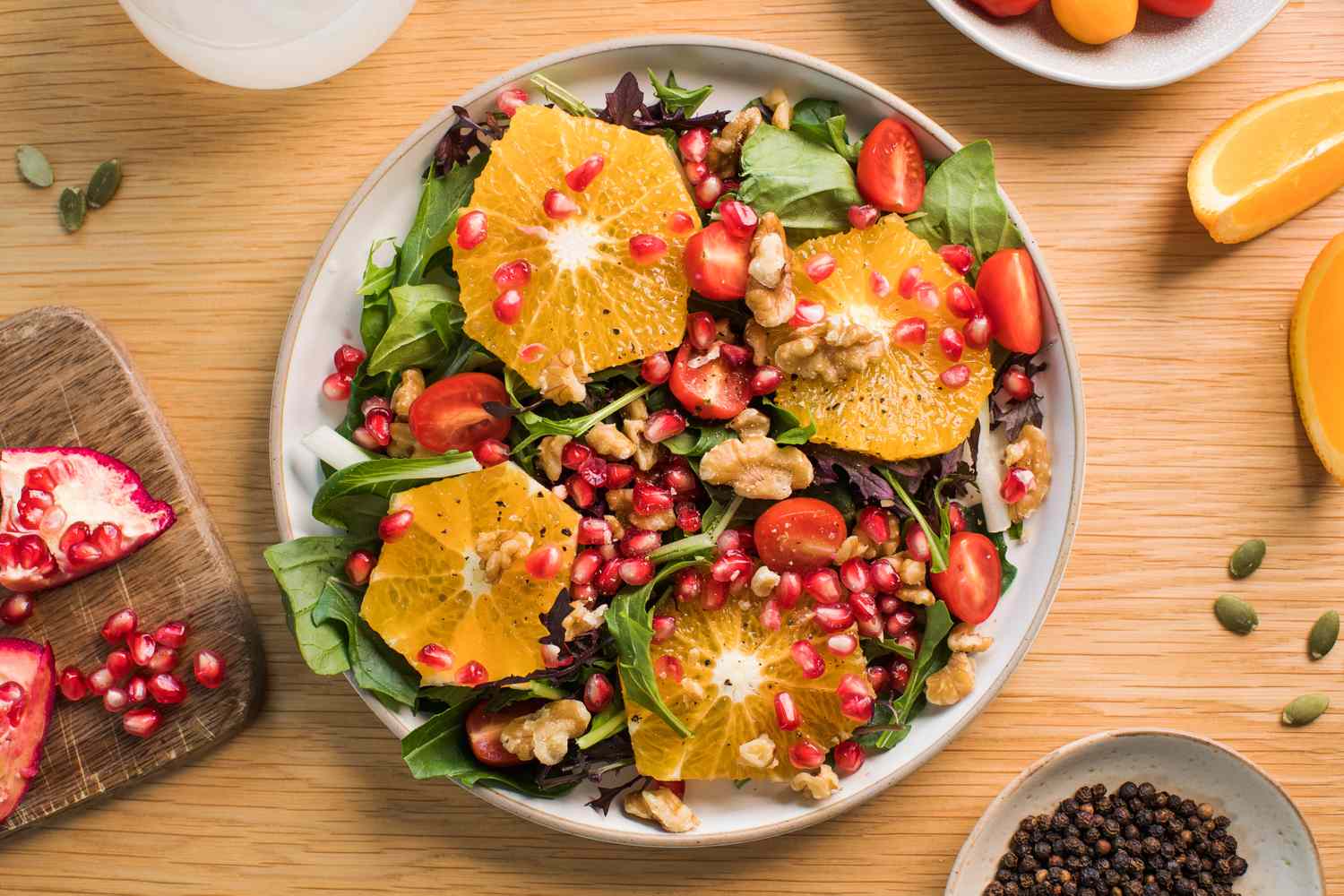
Anti-inflammatory foods can help prevent or manage chronic inflammation, which is associated with the development of heart disease, arthritis, diabetes, cancer, dementia, and other health concerns. You can get plenty of anti-inflammatory compounds through winter fruits, hardy vegetables, spices, and other seasonal foods.
1. Pomegranates
annabogush / Getty Images
Pomegranates are a popular winter fruit, and pomegranate arils (the seeds and surrounding juice sacs) are a source of antioxidant vitamin C and fiber. Toss them into a salad for a juicy crunch and added health boost.
2. Citrus Fruits
Cavan Images / Getty Images
Winter citrus fruits, including lemons, limes, oranges, and grapefruit, also contain antioxidant compounds and are rich in vitamin C and folate, which may also help reduce inflammation.
3. Cruciferous Vegetables
HUIZENG HU / Getty Images
Cruciferous vegetables, such as Brussels sprouts and cabbage, are rich in cancer-protective compounds called glucosinolates. They also contain antioxidants, with cholesterol-lowering and glucose-lowering health benefits.
4. Carrots
SimpleImages / Getty Images
Carrots contain carotenoids such as beta-carotene, another type of inflammation-fighting compound. Other winter vegetables high in carotenoids include red peppers and sweet potatoes.
5. Winter Squash
Olga Peshkova / Getty Images
Winter squashes, such as butternut squash and spaghetti squash, have anti-inflammatory benefits. They contain antioxidants, carotenoids, and vitamin C, powerful anti-inflammatories that may help protect against cell damage and cancer.
6. Beans
Elizabeth Fernandez / Getty Images
Options such as black beans and garbanzo beans (chickpeas) are rich in antioxidants and anti-inflammatory minerals. They contain magnesium, zinc, and potassium, all of which help reduce inflammation.
7. Salmon
Magone / Getty Images
Salmon is a potent source of omega-3 fatty acids. Two biomarkers of inflammation, C-reactive protein and interleukin-6, have been shown to decrease when the body is exposed to omega-3 fatty acids through a balanced diet.
8. Olive Oil
EyeEm Mobile GmbH / Getty Images
Olive oil contains monounsaturated fats and antioxidants. It also contains oleocanthal, a compound that helps lower both inflammation and pain.
9. Walnuts
ajaykampani / Getty Images
Chock-full of antioxidants, walnuts may help reduce inflammation throughout the body. They may be particularly beneficial in protecting brain health.
The nuts also contain monounsaturated fats, protein, and fiber, making them a reasonable addition to a balanced diet.
10. Chia Seeds
everydayplus / Getty Images
Chia seeds are plentiful in winter and are a great addition to an anti-inflammatory diet. These seeds are not only full of antioxidants, but also contain monounsaturated fats, protein, and fiber.
11. Whole Grains
Elizaveta Antropova / Getty Images
Whole grains can provide powerful antioxidants and phytochemicals to help fight inflammation. Whole grains to consider include whole-wheat products, brown rice, and quinoa.
12. Turmeric
krisanapong detraphiphat / Getty Images
Turmeric is a potent spice that has been shown to reduce inflammation due to its antioxidants and curcuminoids. Considered a warming spice, turmeric and its active compounds have been shown to help prevent a variety of chronic diseases.
13. Cinnamon
Ramona Macedonski / 500px / Getty Images
Cinnamon is another warming winter spice that may help reduce inflammation and oxidative stress. It contains cinnamaldehyde, a biomarker shown to reduce inflammation in some research.
Cinnamaldehyde may also reduce oxidative stress, which can occur when too many free radicals—unstable molecules that may result from habits such as eating an unhealthy diet or smoking—overwhelm the body and cause cell and tissue damage.
Overall, while cinnamon can add a sweet boost to your dishes, more research in humans may be needed to confirm its anti-inflammatory benefits.
:max_bytes(150000):strip_icc()/pamassid-c24336e77dc64042a4071fb76406b3ba.jpg)