

Key Takeaways
- Beetroot can help lower blood pressure due to its high levels of nitrates.
- Beets are full of antioxidants that protect cells from damage.
- Beetroot powder may improve workouts and lower blood glucose.
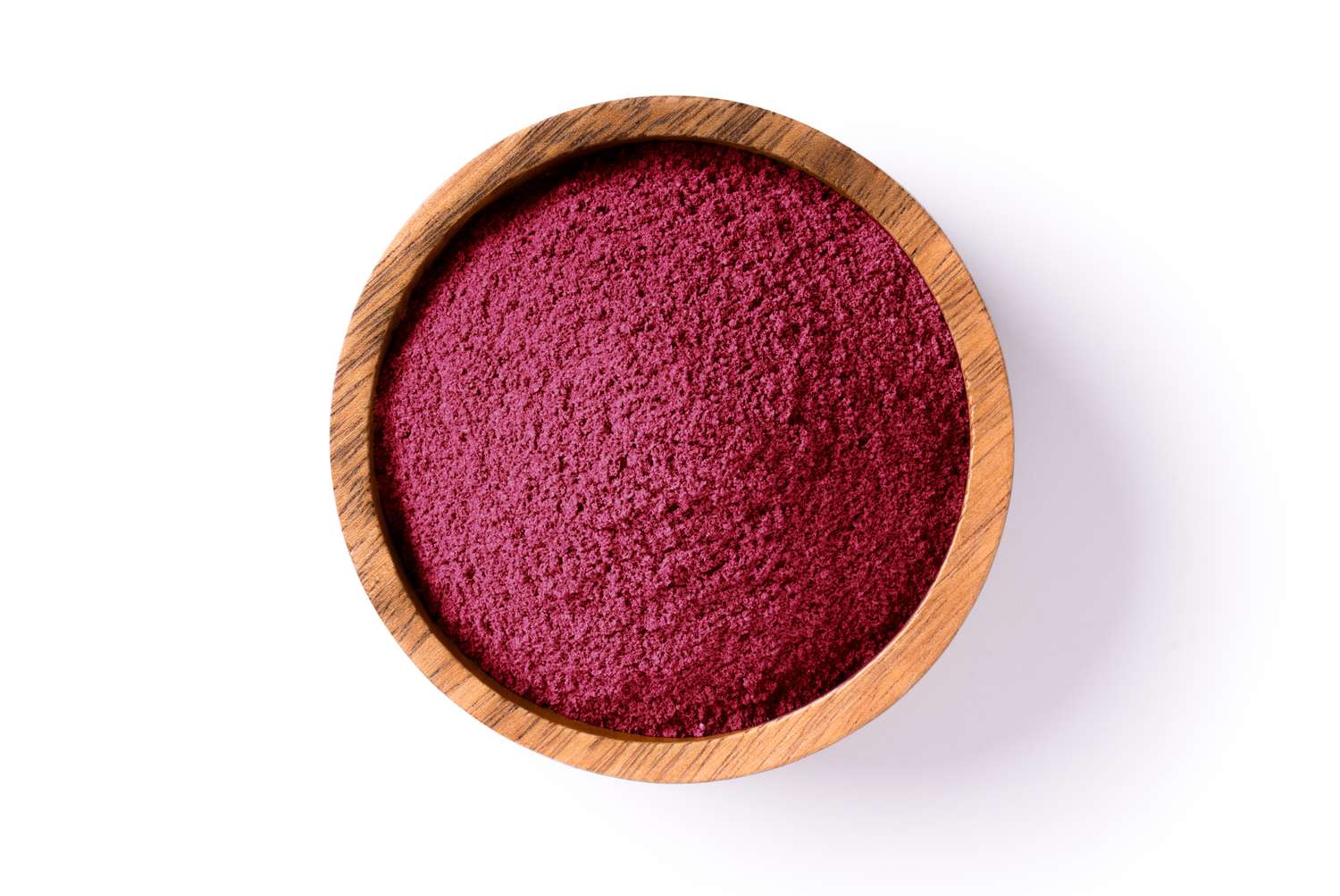
Adding beetroot powder to a smoothie or juice can be more efficient than eating whole beets, which provide potassium, magnesium, folate, and vitamin B2.
These nutrients, plus the pigments that give beets their deep red color, offer health benefits such as improving circulation, stabilizing blood sugar, fighting inflammation, and boosting exercise recovery.
1. Can Help Control Blood Pressure
Beetroot generally contains high levels of nitrates, a compound that supports nitric oxide production in the body. Nitric oxide is a naturally potent vasodilator, meaning it relaxes the blood vessels and reduces blood pressure.
The combination of nitrates and a nitrogen-containing plant pigment called “betalain” is particularly beneficial for lowering blood pressure and heart rate. Multiple human studies—including one that specifically considered adults with type 2 diabetes-related hypertension—have found that taking beetroot supplements can lead to a significant drop in blood pressure.
By improving blood flow, these nitrates and pigments help increase the circulation of oxygen and nutrients to the brain, which could help improve memory and focus, and to the muscles, which could increase exercise endurance.
2. Full of Protective Antioxidants
The betalain in beets has also been studied for its anti-inflammatory and antioxidant properties. Not only does the compound lower several markers of inflammation in human cells, but it also helps protect cells from oxidative damage.
In several studies, betalains have been shown to reduce oxidative stress by scavenging free radicals. Free radicals are highly unstable molecules made in the body in reaction to environmental toxins such as tobacco smoke and ultraviolet (UV) light. Antioxidants such as betalain clean up free radicals before they can damage your cells and DNA, which is known to be a pre-cancerous process.
Along with this protective effect, betalain has been found to lower LDL cholesterol and inhibit the growth of harmful microbes such as E. coli in lab studies.
3. May Improve Your Workout
Along with increasing circulation, the naturally occurring nitrates in beets help with energy production in your cells by improving the efficiency of mitochondria. The mitochondria generate energy in the cells, which fuels the body for physical exercise or everyday functions.
The nitrates in beets can benefit people who participate in high-intensity, heart-pumping exercises like running, cycling, and swimming. Several studies have found that athletes who drank beetroot juice experienced improved endurance at their maximum oxygen uptake and had better stamina.
A review of studies published in 2022 also found that taking beetroot supplements could accelerate exercise recovery in the short term, both in terms of functional measures and self-reported muscle soreness.
4. Might Help Manage Diabetes
Several studies have investigated the effect of beetroot and related supplements on blood sugar control and other metabolic markers. Although findings have been mixed, consuming enough beetroot may reduce fasting blood sugar levels in people with type 2 diabetes.
In one study, 44 people with type 2 diabetes consumed a hefty serving (2/3 of a cup) of raw red beetroot daily for eight weeks. Researchers tested their metabolic and cognitive function at the beginning and end, concluding that beetroot consumption benefited glucose metabolism and cognitive function.
However, a separate study that used daily servings of beet juice rather than raw beetroot failed to reproduce the same results. Consuming beet juice over 12 weeks did not significantly affect blood sugar levels in people with type 2 diabetes.
So, though some research supports using beetroot to reduce fasting blood sugar, the evidence remains unclear. Proceed cautiously when considering a beetroot supplement to support your blood glucose levels.
Who Shouldn’t Take Beet Supplements?
If you are considering taking a beet supplement, check in with a healthcare provider about potential interactions with medications or preexisting health conditions.
Beets can alter how the digestive system produces and metabolizes bile or stomach acid, so be careful if you have a history of gallstones.
People prone to low blood pressure should also avoid consuming large quantities of beetroot or beet supplements, as the nitrates could bring down blood pressure even more. If you are taking medication for high blood pressure, consult a healthcare provider before starting a beetroot supplement.
:max_bytes(150000):strip_icc()/Andrea-Michelson-2bd56ca9f78b4ee7ac672d5bc20def0c.png)