

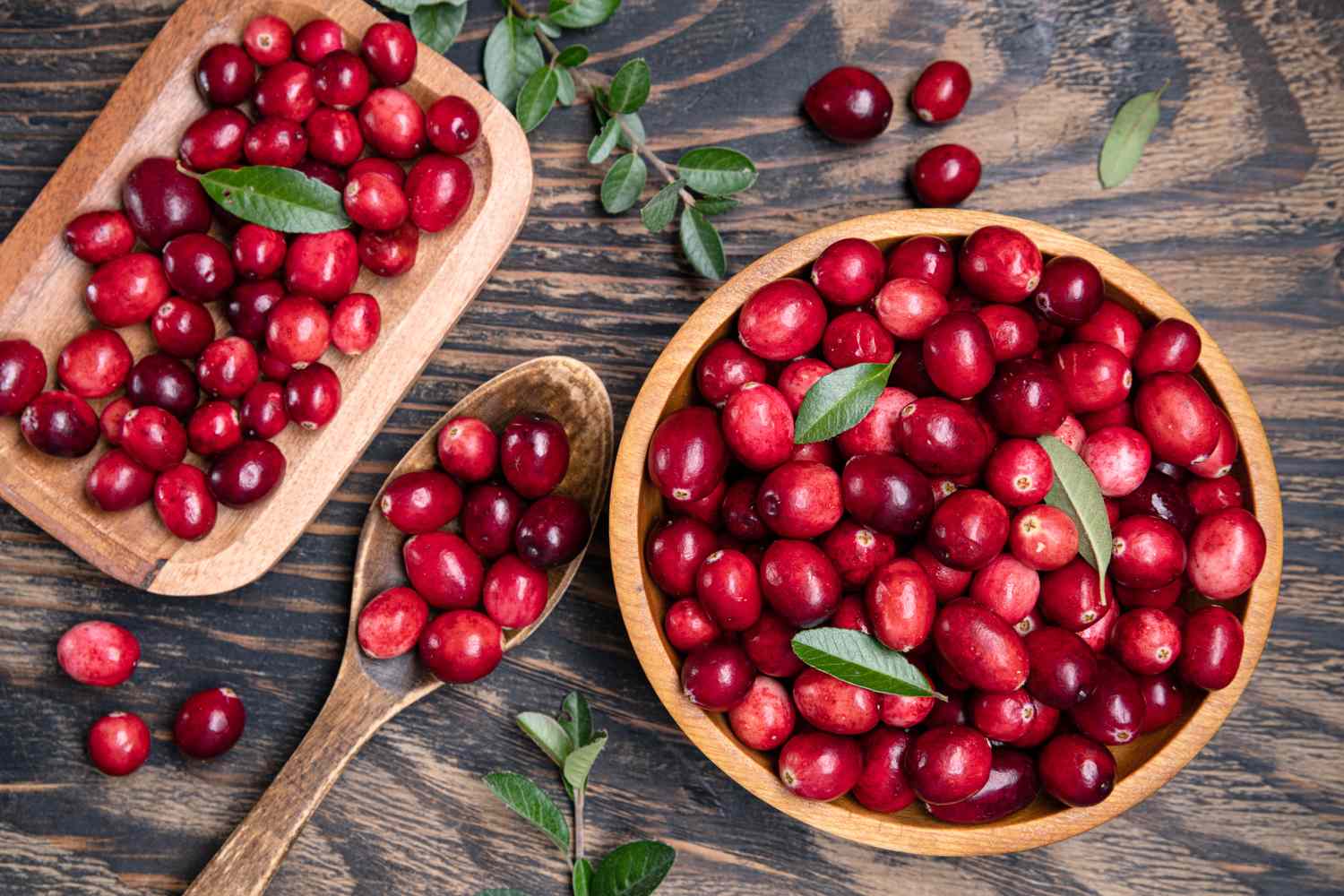
Most people think of cranberries for urinary tract infections (UTIs), but these tart berries do a lot more than that. They can help your heart, immunity, and even your blood pressure.
1. Improves Heart Health
Cranberries have the potential to support heart health in several ways. In one study, people who consumed cranberry powder (ground, freeze-dried cranberries equivalent to about a cup of fresh cranberries) daily experienced improved vascular function (related to the heart) over the course of a month.
Research also suggests that cranberry consumption can lower LDL (or “bad”) cholesterol and triglyceride levels, while improving HDL (or “good”) cholesterol and blood pressure. Together, these factors can help lower the risk of developing heart disease in some people.
2. Supports Gut Health
The antioxidant content of cranberries supports gut health by decreasing inflammation in the digestive tract and balancing the gut bacterial environment (microbiome).
What’s more, cranberries contain fiber that is essential for digestive health and bowel movement regulation, with one cup offering 3.6 grams (g) of the nutrient.
In one study, people with obesity who consumed 8 oz of cranberry juice twice daily for six weeks experienced reduced inflammation and relief from constipation.
3. Boosts Antioxidant Levels
Because they’re rich in polyphenol antioxidants, cranberries offer anti-inflammatory and antimicrobial properties that support immune system function and may potentially reduce the risk of certain health conditions, including cancer and diabetes.
Some research suggests that individuals who frequently consume cranberries may have lower levels of C-reactive protein (CRP), a blood marker of inflammation that can be a risk factor for chronic diseases and age-related cognitive decline.
4. Helps With Blood Sugar Control
Overall, cranberries are a naturally low-sugar fruit, containing just 4 g of sugar per cup. Consuming them unsweetened won’t lead to blood sugar level spikes.
Additionally, studies suggest that cranberries may help support reduced fasting blood sugar and hemoglobin A1c (a measure of average blood sugar levels) in people with type 2 diabetes.
Researchers theorize that the polyphenol antioxidants in cranberries are responsible for the blood sugar-lowering effects, which not only support diabetes management but can also help lower the risk of developing heart disease.
5. Benefits Oral Health
Although more research is needed, it’s possible that cranberry consumption could support your overall oral health. Some initial evidence suggests that the antioxidant content in cranberries can prevent bacteria from adhering to the gums and teeth, which can protect against cavities, tooth decay, and gum diseases such as gingivitis and periodontitis.
Tips for Including Cranberries in Your Diet
There are many ways to add more cranberries to your diet. Some tips that experts recommend include:
- Include fresh cranberries in baked goods, like muffins or cookies.
- Blend cranberry juice into breakfast food items, such as overnight oats, oatmeal, and smoothies.
- Add cranberry juice to sauce, marinades, and salad dressings.
- Choose dairy products and cereals that contain dried cranberries for added antioxidant benefits.
- Consider consuming cranberries in other forms (if fresh cranberries are unavailable), like taking a cranberry supplement or adding cranberry extract powder to your drinks.
- Try incorporating fresh, frozen, or dried cranberries into your diet for added versatility and a range of meal or snack options.
- Opt for unsweetened cranberry juice rather than products that contain added sugar, such as cranberry juice cocktail.
- Be mindful of consuming too many cranberries, as large quantities may trigger an upset stomach and diarrhea, especially in younger children.
While cranberries are generally considered safe for most healthy adults, check with a healthcare provider before adding this fruit to your diet if you are pregnant, breastfeeding, or taking prescription medications like blood-thinners.
:max_bytes(150000):strip_icc()/IMG_5047-9727550a95404c49a7515e66930004ef.JPG)