

Key Takeaways
- Most adults need 15-20 micrograms of vitamin D each day, and sardines are a good source at 3.3 micrograms per serving.
- Some foods naturally contain good amounts of vitamin D, while others are fortified with the nutrient during production or processing.
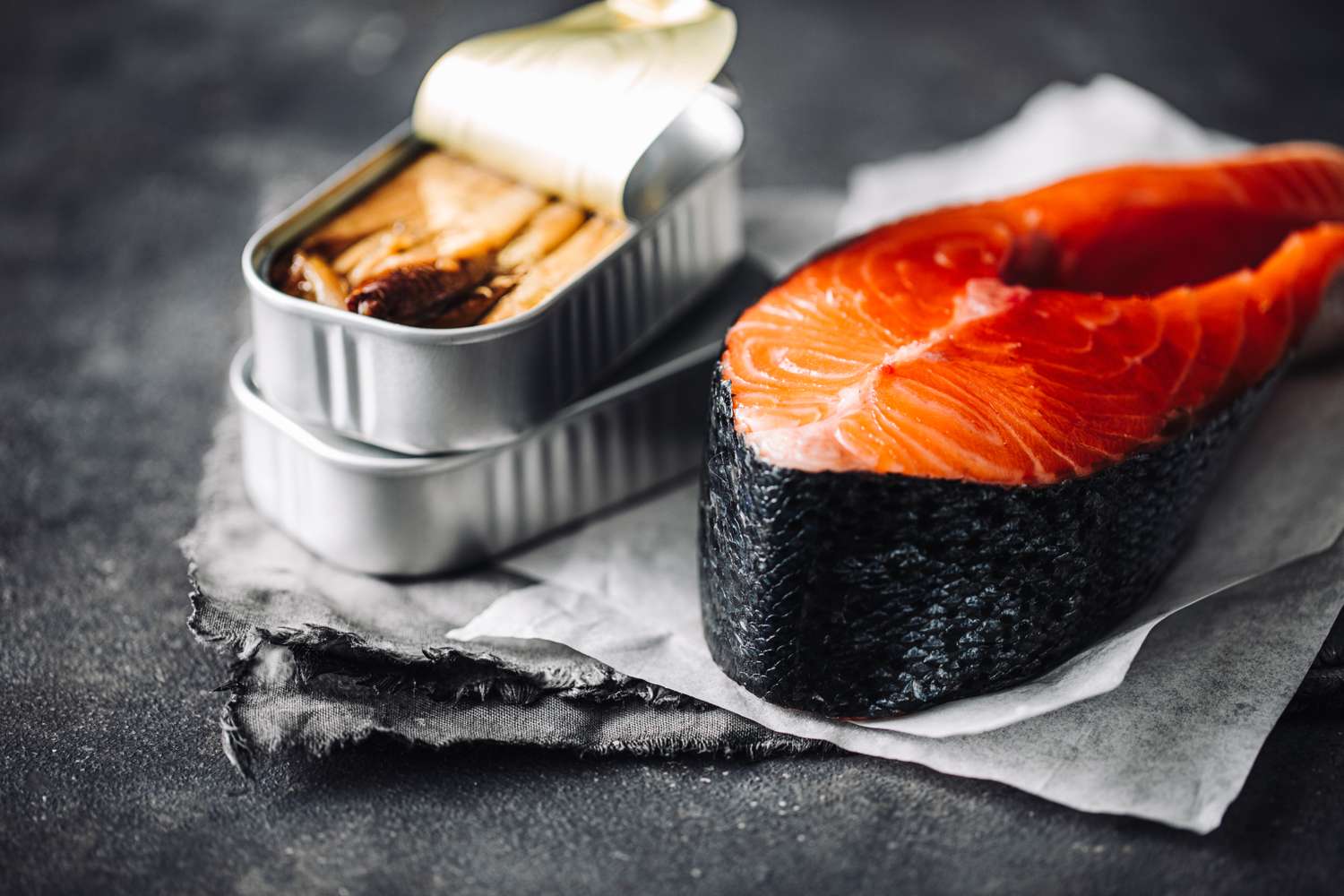
Sardines are a great source of vitamin D, a nutrient many people don’t typically get enough of in their diets. These small fish provide about 3.3 micrograms (mcg), or 132 international units (IU), per 3-ounce can. Most adults need 15-20 micrograms (600-800 IU) of vitamin D each day, a target you can help reach by incorporating several other foods into your diet.
1. Trout
bonchan / Getty Images
Vitamin D: 16.2 mcg (645 IU)
Serving size: 3 ounces
Rainbow trout is particularly high in vitamin D. Look for it at your local fish counter and try incorporating baked rainbow trout into your dinners.
2. Herring
ClarkandCompany / Getty Images
Vitamin D: 16.1 mcg (645 IU)
Serving size: 3.5 ounces
Herring is a small fish similar to sardines and is also packed with vitamin D. Try pickled herring, a traditional Dutch food that can be eaten on toast.
3. Salmon
Wirestock / Getty Images
Vitamin D: 14.2 mcg (570 IU)
Serving size: 3 ounces
Eating more salmon is a straightforward way to boost your vitamin D intake. It’s a versatile option that you can incorporate into many meals or snacks. Consider smoked salmon on toast for breakfast, canned salmon salad for lunch, or a salmon filet for dinner.
4. Mackerel
zi3000 / Getty Images
Vitamin D: 8.5 mcg (340 IU)
Serving size: 3.5 ounces
Mackerel is another oily fish that’s rich in health fats and vitamin D. Mackerel can make a great dinner or lunch protein.
5. Mushrooms
Claudia Totir / Getty Images
Vitamin D: 9.2 mcg (370 IU)
Serving size: 1/2 cup
Certain mushrooms are rich in vitamin D, but only if they’ve been exposed to ultraviolet (UV) light. A half-cup of raw white mushrooms grown using UV light contains 9.2 mcg of vitamin D.
Slice them over your salad or eggs to get nearly half your vitamin D needs met.
6. Fortified Almond, Soy, and Oat Milks
by vesi_127 / Getty Images
Vitamin D: Up to 3.6 mcg (145 IU)
Serving size: 1 cup
Many dairy-alternative milks are fortified with vitamin D, and can be a quick and easy way to incorporate the nutrient into your diet. Many people find it easier to add alternative milks to their diet than to add sardines. Use your favorite choice in coffee drinks, smoothies, or on its own.
Just be sure to check your nutrition labels to ensure a product is fortified with vitamin D, as not all alternative milks are.
Foods Fortified With Vitamin D
In general, Americans get most of their vitamin D from fortified foods. These are processed foods that have vitamin D added during their production. They can be a great way to get more vitamin D into your diet, especially if you’re not a great fan of fish, which is the best natural source of vitamin D.
Foods that are fortified with vitamin D can include:
- Dairy milk
- Cereals and breads
- Orange juice
- Yogurts
- Kefir
- Cheeses
Other Food Sources of Vitamin D
Other foods contain slightly smaller amounts of vitamin D. Still, incorporating them into your diet can help you reach your vitamin D goals. Other fish, eggs, pork, and certain milk products contain vitamin D. Here’s a sampling of how much:
- Fortified dairy milk: 2.9 mcg (120 IU) per cup
- Flounder: 4.4 mcg (177 IU) per fillet
- Tilapia: 3.6 mcg (144 IU) per fillet
- Pork shoulder: 2.1 mcg (82 IU) per cup, roasted and diced
- Spiral sliced ham: 1.2 (48 IU) per slice
- Eggs: 41 (1 IU) per egg
:max_bytes(150000):strip_icc()/BurchHeadshotOutdoor-215a575f7ef34c52a908676f88bd9acb.jpg)