

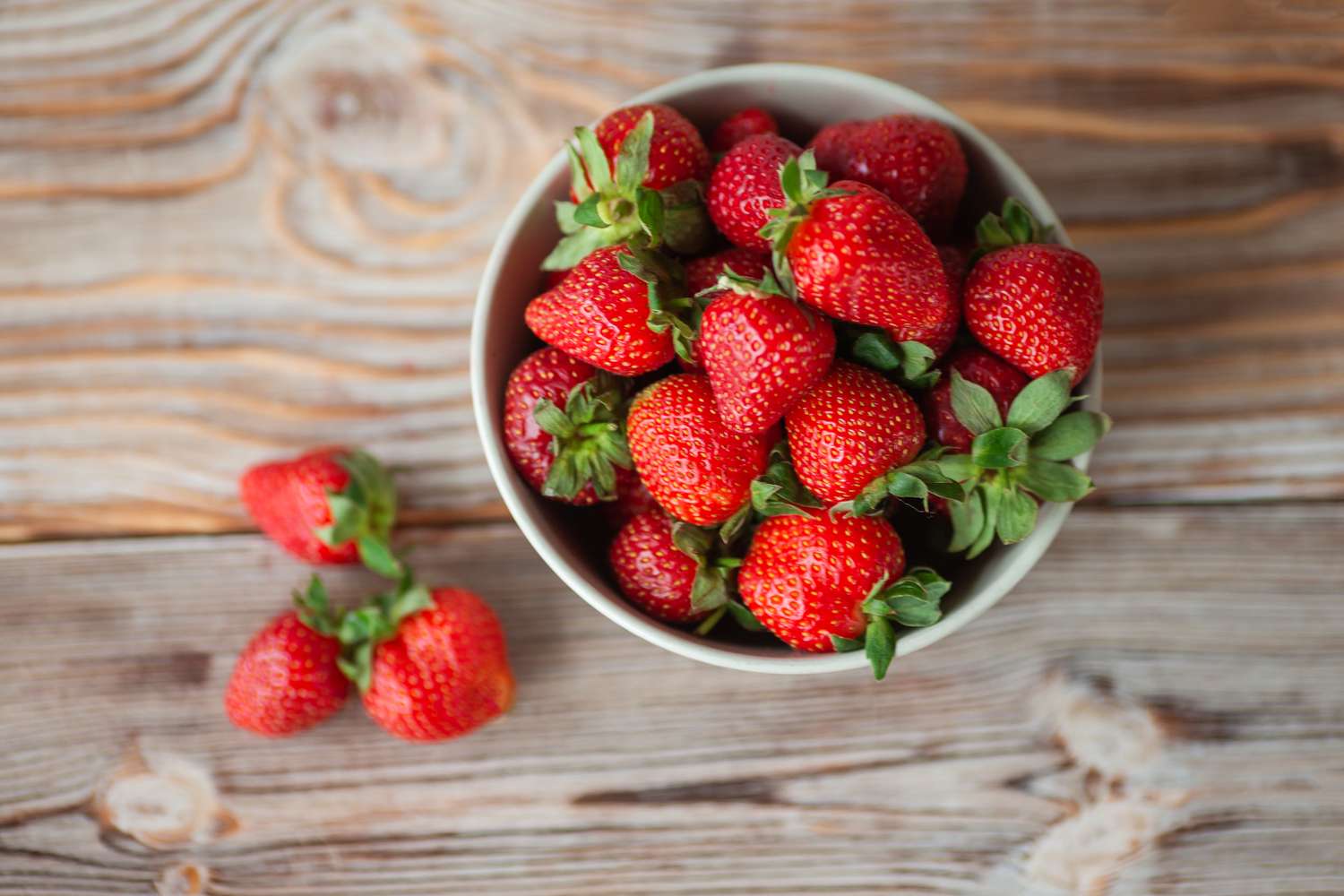
Most adults need about 75-90 milligrams (mg) of vitamin C per day. Strawberries can provide a large portion of that, coming in at about 42 milligrams of vitamin C, or about half of the recommended daily value, per half-cup serving. Still, several other foods have even more vitamin C.
1. Red Bell Peppers
Teo Maniu / 500px / Getty Images
Vitamin C: 95 mg
Serving size: 1/2 cup
Believe it or not, the best source of vitamin C isn’t citrus fruits—it’s sweet red peppers. A half cup of raw red peppers contains 95 mg of vitamin C. That’s more than the entire recommended daily intake for most adults.
Cooking bell peppers (and most other foods) decreases vitamin C content, so if possible, opt to snack on raw red peppers to get the most benefit.
2. Oranges and Orange Juice
Irina Khabarova / Getty Images
Vitamin C: 70 mg (fruit) and 93 mg (juice)
Serving size: 1 medium orange or 3/4 cup juice
Oranges are well known for their vitamin C content— with good reason. A medium orange contains 70 mg of vitamin C. The variety may matter, however. Smaller fruits, like mandarin oranges for example, contain about 29 mg of vitamin C.
It’s no surprise that orange juice is a great source of vitamin C, either. Each serving contains 93 mg of vitamin C, which is more than 100% of the recommended daily amount. Including a glass of orange juice into your diet is a great way to ensure you have your daily dose.
3. Grapefruit Juice
HandmadePictures / Getty Images
Vitamin C: 70 mg
Serving size: 3/4 cup
Grapefruit juice is another citrus beverage packed with plenty of vitamin C. Don’t discount the fruit itself, too: A whole medium grapefruit contains 78 mg of vitamin C.
4. Kiwi
IURII BUKHTA / Getty Images
Vitamin C: 64 mg
Serving size: 1 medium fruit
Bite for bite, kiwi fruits are one of the best sources of vitamin C. One medium kiwi fruit contains 64 mg of vitamin C, about 71% of the recommended daily serving.
5. Green Peppers
Alexander Novikov / Getty Images
Vitamin C: 60 mg
Serving size: 1/2 cup
Though they don’t have quite as much vitamin C as their red counterparts, green bell peppers are still a valuable source of the nutrient. Each half-cup of raw green peppers has 60 mg of vitamin C, making them a great option for integrating a dose of the vitamin into more savory dishes.
6. Broccoli
Geshas / Getty Images
Vitamin C: 51 mg
Serving size: 1/2 cup (cooked)
Broccoli is a standout when it comes to vitamin C-rich vegetables. Each half-cup of cooked broccoli contains 51 mg of vitamin C—slightly more than a similar-sized serving of strawberries.
Cooked broccoli may offer more vitamin C than its raw form, which has 39 milligrams of the vitamin in the same half-cup serving. Try steaming or microwaving rather than boiling to preserve the most nutrients.
7. Brussels Sprouts
Feifei Cui-Paoluzzo / Getty Images
Vitamin C: 48 mg
Serving size: 1/2 cup (cooked)
Brussels sprouts are a solid option if you’re looking to boost your vitamin C and vegetable intake. Each half-cup of cooked Brussels sprouts contains 48 mg of vitamin C, slightly more than what’s found in a half-cup of strawberries.
Other Vitamin C-Rich Foods
Even foods that don’t contain quite as much vitamin C as strawberries can help you reach your recommended daily intake of the nutrient. Here are some other foods with vitamin C to consider adding into your diet:
- Tomato juice: 33 mg per 3/4-cup serving
- Cantaloupe: 29 mg per half cup
- Cabbage: 28 mg per half cup (cooked)
- Cauliflower: 26 mg per half cup (raw)
- Baked potato: 17 mg per medium potato
- Tomato: 17 mg per medium tomato
- Spinach: 9 mg per half cup (cooked)
- Peas: 8 mg per half cup
:max_bytes(150000):strip_icc()/BurchHeadshotOutdoor-215a575f7ef34c52a908676f88bd9acb.jpg)