

:max_bytes(150000):strip_icc():format(jpeg)/VWH-GettyImages-1425981481-b273fef7317e4b1fa67a83dd34ff7255.jpg)
Type 2 diabetes is caused by many factors, and what you eat is one of the things that you can most control. Some foods seem OK at first glance, but they contain hidden sugar or excess saturated fats that can lead to health problems.
Jump to Key Takeaways.
1. Starchy Vegetables
SimpleImages / Getty Images
Vegetables are typically recommended as part of a healthy diet. However, some vegetables contain more carbohydrates than others. These are called starchy vegetables.
If you are trying to decrease your carbohydrate intake, lowering the amount of starchy vegetables you consume can help. Some starchy vegetables include potatoes (all varieties), corn, green peas, and winter squash such as pumpkin, butternut squash, and acorn squash.
2. Red and Processed Meat
karandaev / Getty Images
Meat does not contain carbohydrates, so you might wonder how it can impact diabetes risk. A large cohort study of over 63,000 Chinese adults suggested that eating red meat can increase the risk for type 2 diabetes. This association seemed to be stronger in women than in men.
Processed meats such as hot dogs, bacon, and ham, and deli meats like roast beef, turkey, and salami contain high amounts of added nitrites and nitrates. These have been shown to lead to increased insulin resistance, abnormal blood glucose (sugar) levels, and increased oxidative stress—all of which can increase the risk of developing type 2 diabetes.
Most research supporting the link between red meat and diabetes has been observational studies, whereas a meta-analysis of randomized controlled trials (a statistical analysis of studies in which participants are randomly put into experimental vs control groups) hasn’t found the same association.
3. Processed Fruit
Westend61 / Getty Images
Whole fruits are full of vitamins, minerals, fiber, and other good-for-you nutrients. However, the nutritional benefit can change when fruits are processed and altered from their original state.
Fruit processed into the form of jams, jellies, sweetened snacks, or canned fruit packed in heavy syrup typically contains high amounts of added sugars. Dried fruits also sometimes contain added sugar.
High added sugar intake has been associated with an increased risk of metabolic syndrome (a syndrome of high blood pressure, high blood sugar, abnormal levels of cholesterol and fat in the blood, and excess abdominal fat) and type 2 diabetes.
When eating fruit, opt for whole fruits. Other options, such as 100% fruit juice, canned fruit packed in 100% fruit juice or water, and dried fruits with no added sugar, can fit into a balanced diet when consumed in moderation. Consuming whole fruits has actually been shown to decrease the risk of type 2 diabetes.
4. White Rice
Doina Ungur / 500px / Getty Images
Rice is a staple grain in many diets and regions throughout the world. White rice is a refined grain that has had the bran and germ removed, leaving the starchy endosperm.
As a result of this processing, compared to brown rice, white rice is low in fiber, polyphenols, and other vitamins and minerals. White rice also has a higher glycemic index, meaning it can lead to high blood glucose levels after consumption.
A study of over 132,000 people from 21 countries found that a high intake of white rice was associated with a 20% increased risk of diabetes compared to low rice consumption. The risk varied by region, with South Asia having a 65% higher risk for high vs. low rice consumption and China having no significant association.
The U.S. Department of Agriculture (USDA) recommends making at least half of your daily grain intake be whole grains. Brown rice is a great way to get in some of your whole grains. Other whole-grain options include quinoa, barley, farro, or bulgur.
5. Soda
Alter_photo / Getty Images
Sugar-sweetened beverages include regular soda and drinks such as juice with added sugar, fruit drinks, sports drinks, flavored coffee beverages, sweetened tea, and energy drinks.
A study examining the association between sugar-sweetened beverages and type 2 diabetes found that drinking sugar-sweetened drinks led to a significantly increased risk of developing type 2 diabetes.
A prospective cohort study of Mexican adults estimated that each sugar-sweetened beverage serving consumed per day increased type 2 diabetes risk by 18%.
Instead of drinking soda throughout the day, choose water. If you want some flavor, try infusing your water with fresh-cut fruit (lemons or limes), herbs (mint or basil), or vegetables, such as cucumber. If you crave that bubbly feeling, try sparkling water with a splash of 100% fruit juice.
6. Salty Snacks
Thanasis / Getty Images
While sodium and salty foods do not raise blood glucose levels, they can raise blood pressure. High blood pressure (hypertension) and type 2 diabetes often occur together. High blood pressure is seen twice as much in people with diabetes compared to those without diabetes. Both diseases affect the body’s vascular system (blood vessels and lymph vessels that carry blood and lymph throughout the body).
High blood pressure increases the risk of other health problems, such as heart attack, stroke, and kidney disease.
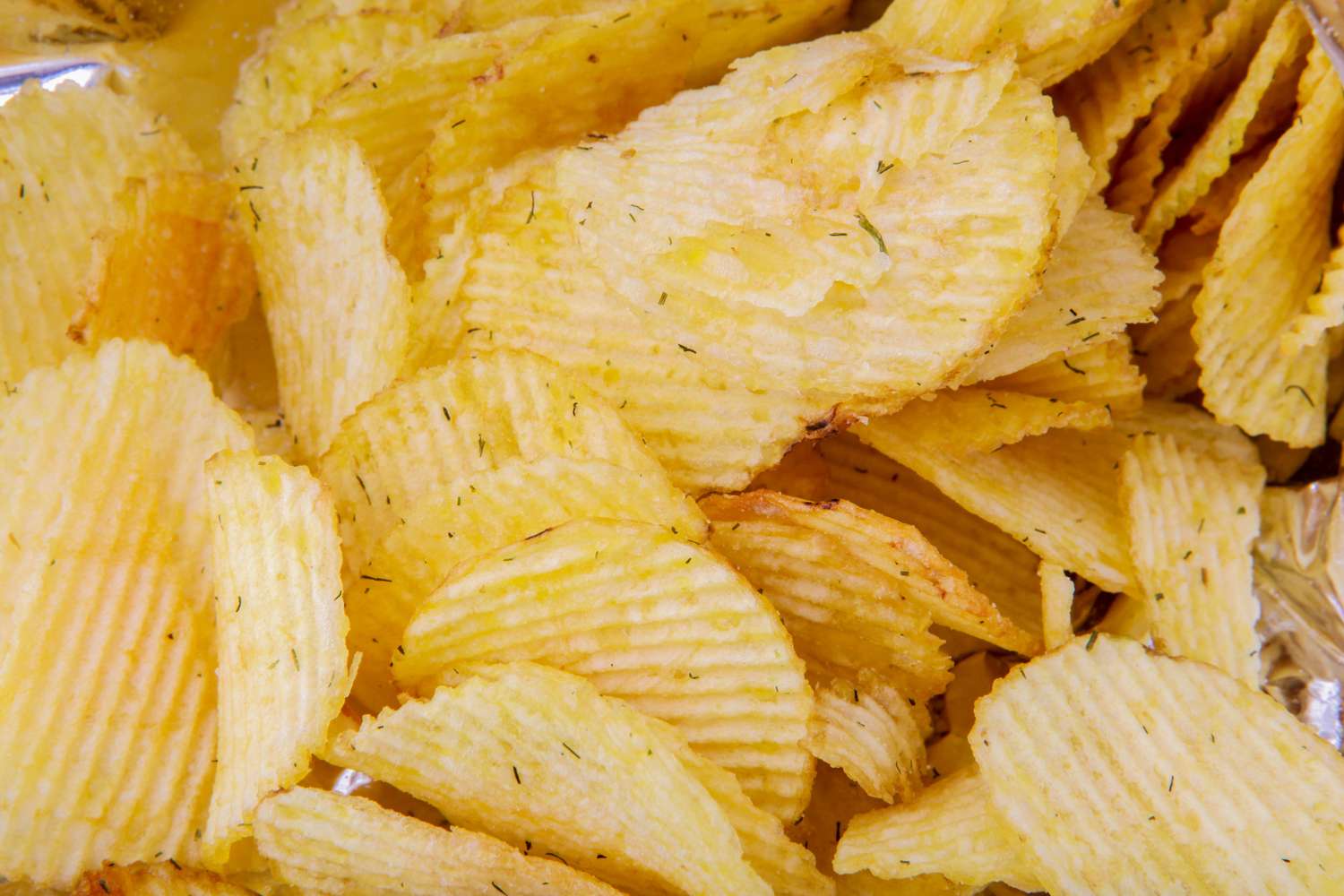
Snacks high in sodium include chips, chip dip, pretzels, salted popcorn, salted nuts, frozen prepared snack foods, beef jerky, and deli meats. Look for low-sodium or no-salt-added versions of these snack foods to help keep your sodium intake in check.
7. Breaded Fish
Galina Kasabova / Getty Images
Fish is another food that is a great addition to your diet. Many types of fish, such as salmon, tuna, and mackerel, are high in heart-healthy fats. However, depending on how fish is prepared, it may be doing more harm than good.
Frequent overall fried food intake has been shown to increase the risk of type 2 diabetes. Fish that is breaded and fried can raise blood glucose levels and negatively affect your cholesterol levels.
A study of over 35,000 Swedish men followed for 15 years concluded that fried fish is associated with an increased risk of type 2 diabetes.
Experts don’t know the exact reason why breaded, fried fish increases your risk of type 2 diabetes. However, some suggest that a higher overall fat intake may be to blame. Also, the fatty acid composition of the food may change during frying, possibly leading to a loss of healthy omega-3 fatty acids and an increase in other less healthy fatty acids.
Additionally, high-temperature cooking, including deep frying, promotes the formation of mutagenic (inducing or capable of inducing genetic mutation) compounds, such as heterocyclic amines, as well as advanced glycation end products (AGEs), which may contribute to insulin resistance.
Next time you have a hankering for seafood, skip the breading on your fish and choose healthier cooking methods, such as broiling, baking, or grilling.
8. Condiments and Salad Dressing
Penpak Ngamsathain / Getty Images
Condiments and salad dressings such as mayonnaise, ketchup, barbecue sauce, and non-vinaigrette salad dressings are often sneaky sources of added sugars, sodium, and saturated fats. Using too much too often can add up and take a toll on your health. It may increase your risk for type 2 diabetes.
Making your own sauces, condiments, and dressings at home puts you in charge of the ingredients. Instead of salt and sugar, try adding flavor to your meals with herbs, spices, vinegar, olive oil, citrus, garlic, and other seasonings. At the store, look for low-sugar or low-salt varieties of condiments and dressings.
Key Takeaways
- Poor dietary patterns—especially diets high in refined carbs, added sugars, saturated fats, and sodium—may raise the risk of type 2 diabetes.
- Foods linked to higher risk include starchy vegetables, red and processed meats, white rice, soda, salty snacks, and breaded or processed items.
- Some associations are based on observational studies and may vary depending on individual health and overall diet.