

:max_bytes(150000):strip_icc():format(jpeg)/VWH-GettyImages-911052626-9eec5c302e71453bb67fbb78b5b44293.jpg)
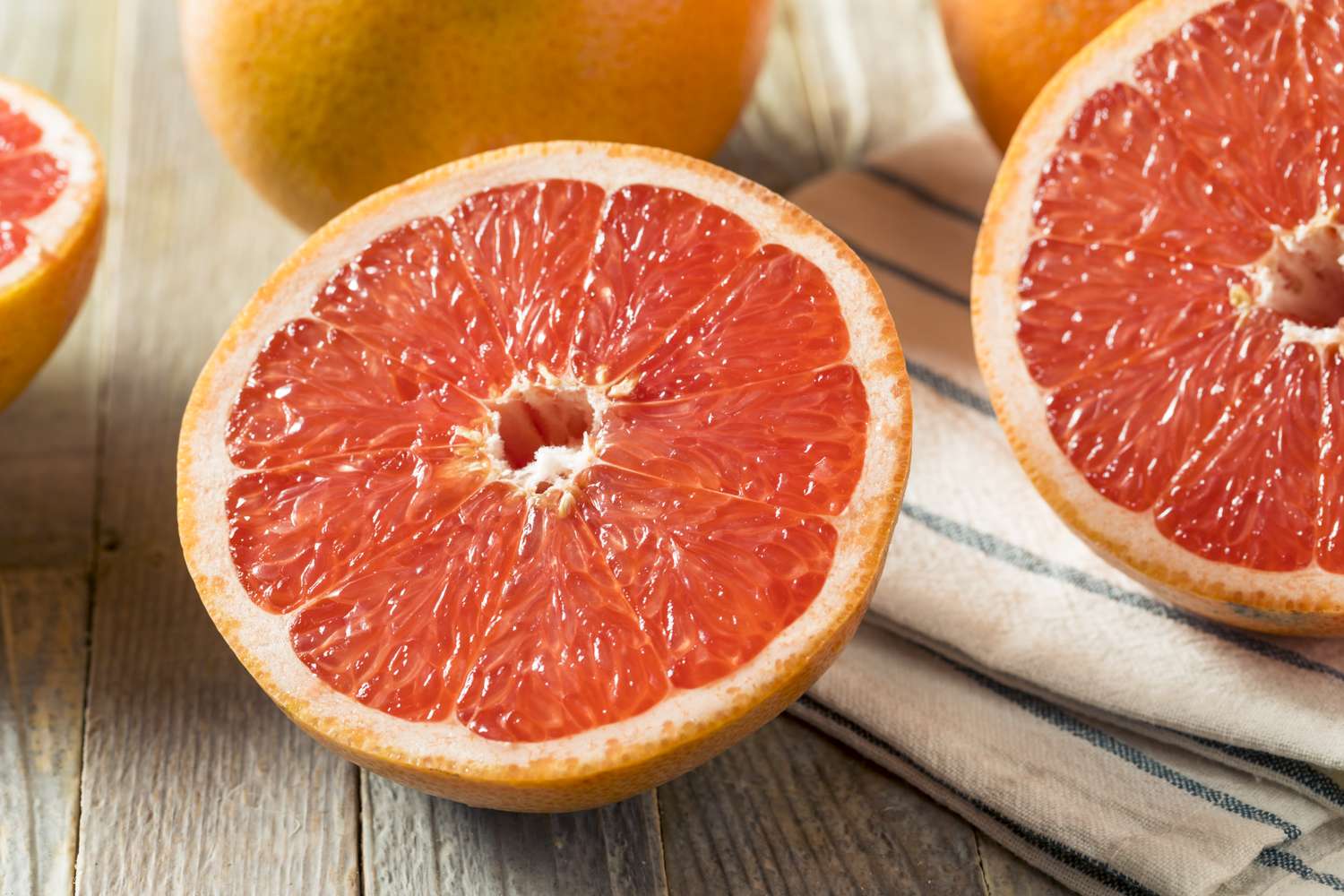
Grapefruit is often praised for its vitamin C content, but it provides only a modest amount compared with many other produce items. A typical serving of grapefruit (about one cup) contains roughly 80 milligrams (mg) of vitamin C, depending on the type.
Several foods contain more vitamin C than grapefruit, including fruits and vegetables that offer two to four times as much per serving.
1. Guava
HUIZENG HU / Getty Images
Vitamin C: 376 mg
Serving size: 1 cup
Guava stands out as one of the richest common sources of vitamin C. According to nutritional research, guava fruit frequently contains around 228–300 mg of vitamin C per 100 grams, far more than many other fruits.
That means eating a single medium guava — or just one cup of guava slices — can easily provide up to four times the vitamin C found in a typical grapefruit serving. This makes guava a powerful option if you want to meet or exceed daily vitamin C needs in one go.
Beyond vitamin C, guava offers fiber, potassium, and plant antioxidants (like flavonoids), which support digestion, heart health, and overall wellness.
2. Kiwi
OsakaWayne Studios / Getty Images
Vitamin C: 167 mg
Serving size: 1 cup
Kiwifruit is another standout. Depending on the variety and serving size, one cup of sliced green kiwi can provide more than twice as much vitamin C as the same-size serving of grapefruit.
In a randomized trial, adults with low vitamin C status who ate kiwifruit daily improved their blood vitamin C levels and reported better feelings of vitality compared with a placebo group.
While more research is needed, this finding supports the idea that vitamin C–rich foods like kiwi may help support overall well-being.
3. Red (and Other Ripe) Bell Peppers
Janusz Lukomski-Prajzner / Getty Images
Vitamin C: 142 mg
Serving size: 100 grams, or about 1 medium pepper
Vegetables can be a major source of vitamin C, and among them, ripe bell peppers shine. A study of pepper varieties found that many had vitamin C levels up to about 190 mg per 100 grams in raw form.
Because bell peppers are low-calorie, fiber-rich, and loaded with antioxidants (including carotenoids), they make excellent choices for boosting vitamin C while also supporting eye and skin health.
4. Strawberries
umbertoleporini / Getty Images
Vitamin C: 97.6 mg
Serving size: 1 cup, sliced
Though not as concentrated as guava or peppers, strawberries remain a good vitamin C source. In a randomized controlled trial, healthy adults who drank a strawberry purée beverage saw significant increases in blood vitamin C levels within hours, indicating that vitamin C in strawberries is bioavailable.
Strawberries also offer fiber, folate, and antioxidants—beneficial for heart health, blood sugar stability, and overall antioxidant defenses.
5. Pineapple
bhofack2 / Getty Images
Vitamin C: 79 mg
Serving size: 1 cup chunks
Pineapple often gets attention for bromelain, an enzyme that may aid digestion, but it is also a solid source of vitamin C. One cup of pineapple chunks can provide about the same amount as grapefruit does.
Research suggests that pineapple has antioxidant effects and may help lower cholesterol. In animal research, eating pineapple powder daily reduced inflammation and signs of heart stress caused by high cholesterol, suggesting the fruit may help protect the heart. More research is needed.
6. Papaya
awayge / Getty Images
Vitamin C: 88 mg
Serving size: 1 cup chunks
One cup of papaya provides more vitamin C than a grapefruit. It also contains folate, vitamin A, fiber, and antioxidants. Papaya blends well into smoothies and is easy to digest for many people.
7. Brussels Sprouts
id-art / Getty Images
Vitamin C: 75 mg
Serving size: 1 cup
A cup of raw Brussels sprouts has around 75 mg of vitamin C, comparable to a grapefruit, depending on serving size. Brussels sprouts also supply vitamin K and fiber.
8. Broccoli
Insan Kamil / Getty Images
Vitamin C: 81 mg
Serving size: 1 cup chopped
Raw broccoli delivers about 81 mg of vitamin C per cup. Broccoli is affordable, widely available, and contains fiber and plant compounds linked to anti-inflammatory benefits. Cooking broccoli by steaming it helps preserve its vitamin C content.
How Much Vitamin C Do You Need Every Day?
Vitamin C is vital because it helps the body make collagen, supports immune function, and acts as an antioxidant to protect cells from damage. Because the body does not store much vitamin C, getting enough from food every day is important.
The recommended daily intake for vitamin C is:
- Adult females: 75 mg
- Adult males: 90 mg
To meet daily needs, you would need about one full grapefruit every day.
How Much Vitamin C Is Too Much?
For most healthy adults, getting vitamin C from food is safe and unlikely to cause problems. The tolerable upper intake level (UL) for vitamin C from all sources is 2,000 mg per day for adults.
Taking very large doses of vitamin C supplements (especially above the UL) may cause digestive side effects like diarrhea, nausea, or stomach cramps in some people.