

:max_bytes(150000):strip_icc():format(jpeg)/VWH-GettyImages-1387720882-382d2b1d643b4606865a12c442e84b3d.jpg)
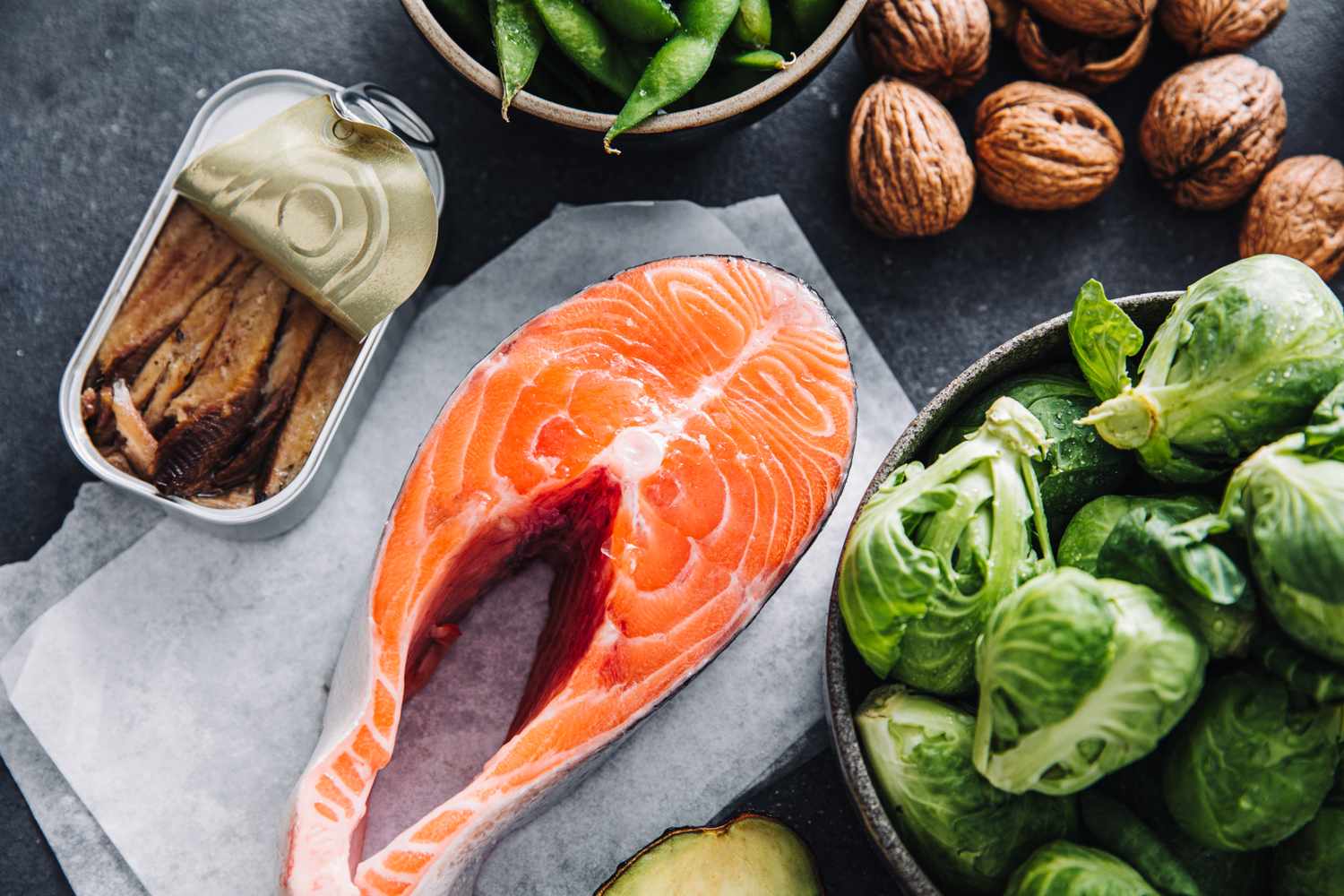
Omega-3s are fatty acids the body uses for health benefits such as protecting against cardiovascular disease and encouraging proper brain and eye development. If you’re looking to increase your omega-3 intake without taking a supplement, try eating more of these fatty fish, nuts, seeds, and healthy oils.
1. Salmon
from_my_point_of_view / Getty Images
Omega-3s: 1.83 grams (g)
Serving size: 3.5 ounces (oz)
Salmon is known for its distinct pink-orange flesh, which, when cooked, flakes easily. It’s incredibly nutritious and offers a solid dose of omega-3s per serving.
Other important nutrients in salmon include:
- Protein
- Vitamin D
- Vitamins B12 and B6
2. Mackerel
SimpleImages / Getty Images
Omega-3s: 1.02 g
Serving size: 3 oz cooked
Mackerel is known for its rich and strong flavour. It’s often compared to tuna, but it is a bit milder. The fatty fish offers up a good amount of omega-3s, as well as some:
- Protein
- Calcium
- Magnesium
- Vitamin B12
- Selenium
3. Herring
Nicolas Garrat / Getty Images
Omega-3s: 1.71 g
Serving size: 3 oz
Herrings are smaller fish that you can eat fresh, but they are typically smoked or pickled. These small but nutritious fish offer omega-3s and high-quality animal proteins, alongside other important nutrients that support various aspects of health, such as:
- Vitamin D
- Vitamins B12, B6, and B3
- Folate
- Minerals such as iron, selenium, calcium, and zinc
4. Sardines
gbh007 / Getty Images
Omega-3s: 0.9 g
Serving size: 3.75-oz can
Sardines are small fish typically eaten alongside other foods, such as on pizza or in salads, or canned as a snack. If you incorporate sardines into your diet, you’ll get omega-3s as well as:
- Calcium
- Vitamin D
- Iron
- Magnesium
- Protein
- Selenium
5. Sea Bass
BURCU ATALAY TANKUT / Getty Images
Omega-3s: 0.65 g
Serving size: 3 oz
Another fatty fish that’s a good option if you want to increase the amount of omega-3s in your diet without supplementation is sea bass, a mild, flaky saltwater fish.
Wild-caught sea bass is nutrient-dense, offering a good amount of protein, magnesium, potassium, and selenium, as well.
6. Flaxseeds
Ekaterina Fedotova / 500px / Getty Images
Omega-3s: 2.35 g
Serving size: 1 tablespoon whole seeds
Flaxseeds are a good plant-based option for omega-3s if you don’t eat fish. While they’re often known for their fiber content, they are also nutritious in many other ways, including their omega-3 content. Flaxseed oil is another way to get omega-3s, with 7 grams per tablespoon.
Flaxseeds provide much less protein per serving than the fish on this list, but they do provide various other essential nutrients, including:
- Fiber
- Magnesium
- Phosphorous
- Folate
7. Chia Seeds
Marina Sheina / Getty Images
Omega-3s: 5.06 g
Serving size: 1 oz
These mild-flavored seeds can be eaten in various ways. For example, they can be eaten as a topping on juices, smoothies, yogurt dishes, salads, or oatmeal, or mixed with granola to make bars.
Chia seeds are one of the best sources of plant-based omega-3s. Alongside omega-3s, chia seeds also provide antioxidants that help fight disease, deliver fiber to support digestion, and act as a complete protein source, providing all nine essential amino acids.
8. Walnuts
alvarez / Getty Images
Omega-3s: 2.57 g
Serving size: 1 oz
Walnuts can be eaten on their own or added to dishes—both savoury and sweet—making it easy to incorporate them into your diet. These nuts are a great source of omega-3s and:
- Plant-based protein
- Fiber
- Magnesium
- Antioxidants
Types of Omega-3s in Food-Rich Sources
There are several types of omega-3 fatty acids:
- Alpha-linolenic acid (ALA)
- Eicosapentaenoic acid (EPA)
- Docosahexaenoic acid (DHA)
ALA is often found in plant oils, seeds, and nuts, so if you’re looking to get more ALA in your diet, you may likely want to try flaxseed oil. But if you’re looking to increase your intake of DHA and EPA, you’ll want to focus on seafood.
ALA is a precursor to DHA and EPA, meaning that when consumed, some of it converts into the two other forms of omega-3s. However, if you only eat plant sources, it’s unlikely it’ll be enough to transform into the amount of DHA the body needs.
To ensure you get enough of all three types, it’s important to eat a varied diet that includes foods rich in each.
How Much Do Most People Need?
The body needs both ALA and DHA/EPA to reap the health benefits of omega-3s. However, experts have only established a recommended daily intake of ALA. Most adults should aim for 1.1-1.6 grams of ALA omega-3s per day.