

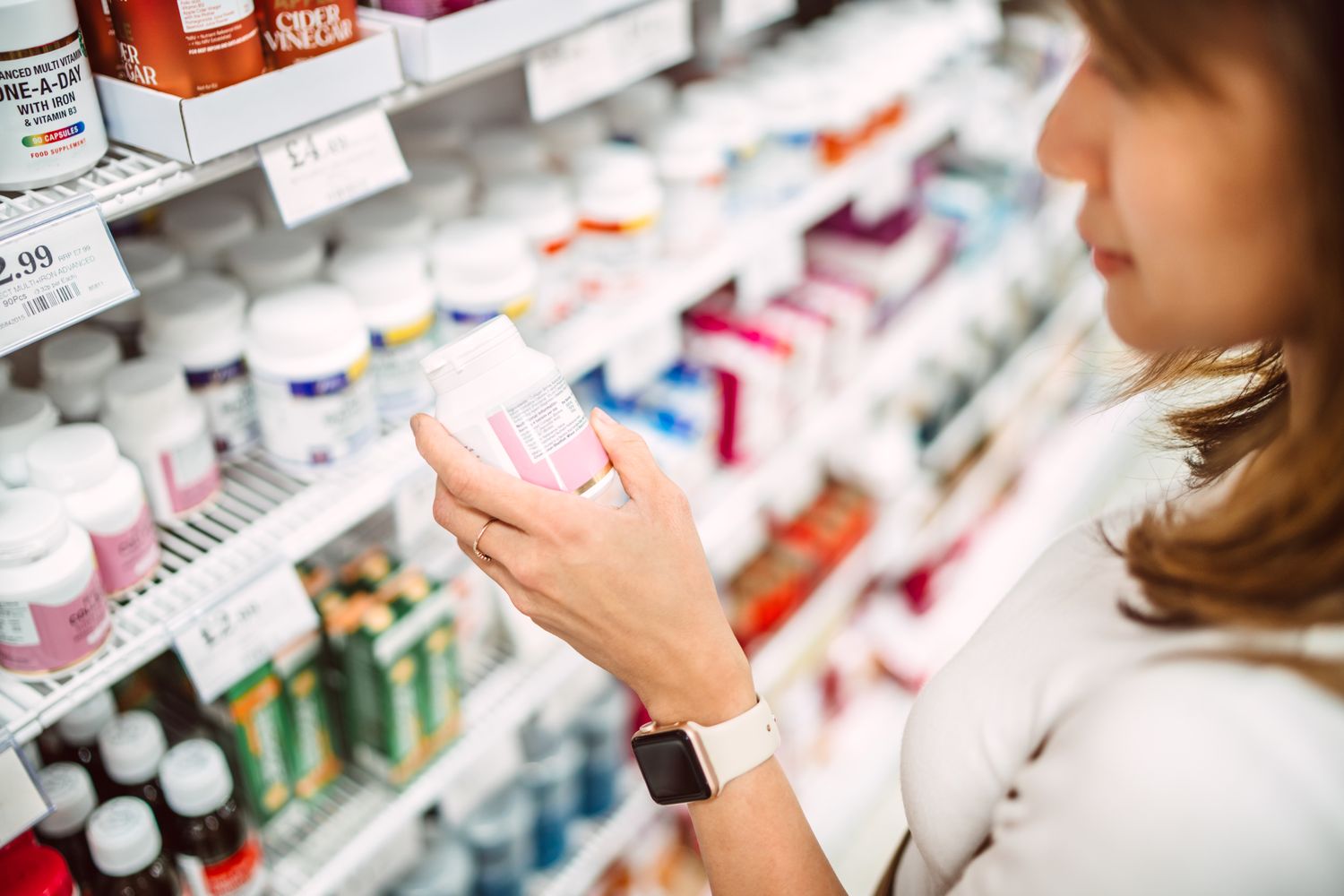
More than 70% of Americans take at least one dietary supplement daily. Despite the hype, many of these supplements have little proven benefit and are associated with significant risks.
1. Multivitamins
- Consuming recommended amounts of vitamins and minerals daily helps your body function at its best, but most people get all the vitamins they need from a balanced diet.
- People with a normal level of vitamins and minerals are unlikely to experience health benefits from taking a daily multivitamin.
- If you already get enough vitamins from your diet, taking multivitamins increases the risk of side effects such as bone fractures from too much vitamin A or blurry vision from too much vitamin E.
2. Probiotics
- Probiotics are live organisms that have been shown to improve health in specific populations, such as people who experience diarrhea while taking antibiotics.
- There’s no compelling reason, though, for most healthy adults to take a daily probiotic.
- While probiotics can help prevent respiratory and urinary tract infections, they may also cause serious infections, including sepsis and endocarditis.
- In addition, probiotics can worsen autoimmune disorders and cause allergic reactions.
3. Ashwagandha
- Ashwagandha is an herbal adaptogen, a plant that purportedly helps your body adapt to stress.
- Limited evidence suggests it can improve sleep and lower anxiety.
- Before you try it, keep in mind that ashwagandha has only been studied for up to three months at a time, so it’s not clear whether long-term use is safe.
- Ashwagandha may cause liver toxicity and increased testosterone levels. It is not recommended during pregnancy or in men with prostate cancer.
4. Biotin
- Biotin (vitamin B7) is marketed as a supplement to maximize hair growth, but there is very little evidence that it actually helps for this use.
- People with low biotin levels or certain conditions associated with hair loss may benefit from taking biotin supplements for hair growth.
- Still, adults with normal biotin levels are unlikely to see improvements in their hair.
5. Fish Oil
- About 20% of American adults aged 60 or older take fish oil for heart protection. However, at over-the-counter (OTC) dosages, these supplements have not been proven to benefit the heart or overall health.
- High doses of fish oil (more than 2 grams per day) can lower triglycerides in patients with high baseline levels.
- Still, these doses may also increase the risk of abnormal heart rhythm (atrial fibrillation).
6. Creatine
- Creatine is a popular supplement among athletes seeking muscle gains and performance boosts.
- If you are considering adding creatine to improve muscle strength, know that it works best for specific populations, namely, young, healthy athletes.
- Males who take creatine are more likely to increase muscle strength than females.
- More research is needed to determine if creatine supplements benefit older adults or people with muscular disease.
7. CBD
- Cannabidiol (CBD) is a compound from the cannabis plant that does not produce a “high.”
- Many people who take CBD regularly use it for anxiety, depression, or general health perks, either by prescription or over-the-counter use. However, there is not enough evidence to recommend the supplement for these uses.
- Furthermore, an analysis of 202 CBD products in the U.S. showed that 75% of the products contained CBD concentrations that differed from those stated on their labels.
- Some products on the market contain pesticides and heavy metals (ie, lead, arsenic, and mercury), which are harmful even in small amounts.
8. Magnesium
- The mineral magnesium is heavily promoted to improve sleep and reduce anxiety, but expect modest benefits, not a magic bullet.
- Magnesium is most likely to help people with low baseline magnesium levels.
- Consuming too much magnesium may cause side effects, including diarrhea, nausea, stomach pain, vomiting, and heart problems.
9. Taurine
- Taurine is an amino acid with antioxidant properties, meaning it protects cells in the body from stress.
- Taurine has been shown to extend the lifespan of mice, but there’s not enough research to determine whether it has anti-aging benefits in humans.
- The supplement works best when taken as part of a healthy diet and in addition to exercise.
:max_bytes(150000):strip_icc()/meganhs11-0550977a84f84b89966cf1799ce2bfb1.jpeg)