

:max_bytes(150000):strip_icc():format(jpeg)/The-1-High-Fiber-Snack-to-Buy-at-Sams-Club-for-Cholesterol-Product-b6c96368ab1a402a8e4aa2c6b2f50102.jpg)
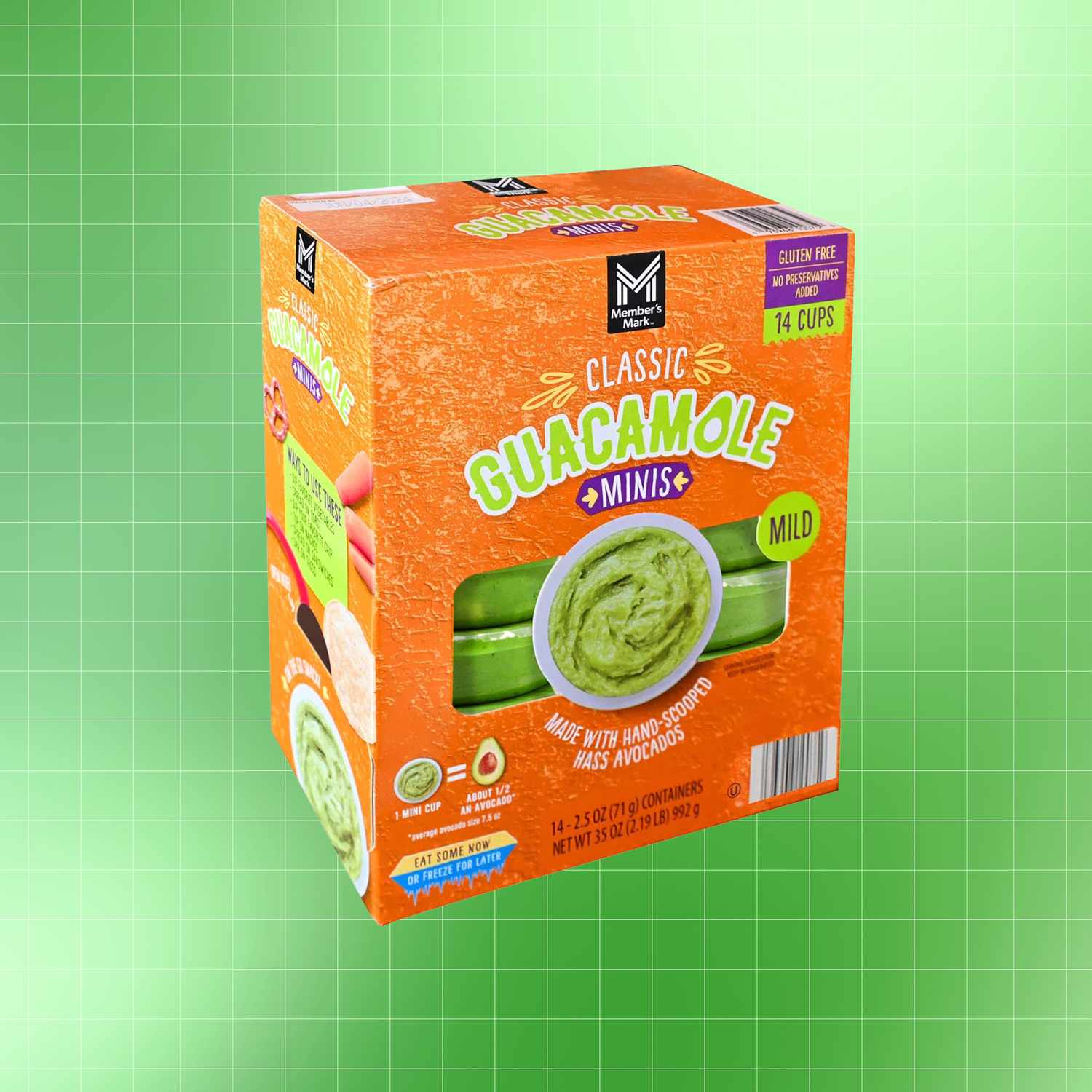
- Dietitians recommend the Member’s Mark Guacamole Minis to support healthy cholesterol.
- The convenient pre-portioned cups are rich in both fiber and monounsaturated fats.
- Exercise, eating fatty fish and limiting saturated fat also play key roles in cholesterol management.
Nutrition plays a crucial role in managing your cardiovascular health. Thankfully, Sam’s Club makes it easy to stock up on heart-healthy snacks at affordable prices. To support better cholesterol levels, dietitians recommend stocking up on their Member’s Mark Guacamole Minis for a high-fiber, nutrient-dense snack.
Balanced cholesterol panels are the key to a healthier heart. To help keep your total and LDL (“bad”) cholesterol low and your HDL (“good”) cholesterol at an optimal level, you should prioritize eating foods that are rich in fiber and healthy fats. Avocados provide both of these nutrients in ample amounts, making them a standout food for better cholesterol. Research finds that regularly eating avocados may help lower both LDL and total cholesterol, as well as reduce the risk of heart disease by up to 22% when used to replace foods high in saturated fat like butter, cheese and processed meats.
Read on to learn why these guacamole cups deserve a spot on your grocery list.
Why We Love Member’s Mark Guacamole Minis for Cholesterol
They Make Heart-Healthy Snacking Convenient
Made with whole avocados and a handful of spices, these mini, single-serving cups contain 2.5 ounces of guacamole, equivalent to about half of a small avocado. But unlike whole avocados, which seem to reach perfect ripeness for a single afternoon before spoiling, each cup will stay fresh in the refrigerator for about 2 weeks. For added convenience, they can be frozen and thawed to eat later. They’re perfect for spreading on whole-wheat wraps or toast or as a dip for raw veggies and crackers for a filling, satisfying and heart-healthy snack.
They’re a Source of Soluble Fiber
While avocados are often praised for their healthy fat content, they’re also an incredible source of fiber. One 2.5-ounce cup of Member’s Mark Guacamole Minis contains 5 grams of fiber, which is 18% of the recommended Daily Value. And 30% of the fiber in an avocado is soluble fiber, which can work wonders for your cholesterol. “This type of fiber absorbs water and forms a gel in the digestive tract, and that gel can trap cholesterol and help move it out of the body before it is absorbed,” explains Michelle Ivy, M.S., RD, CDCES. Some studies suggest that every 10-gram increase in soluble fiber in your diet could decrease the risk of heart disease by 14%. In addition to soluble fiber’s ability to bind dietary cholesterol particles before they are absorbed, it also plays a role in glucose metabolism and gut health, both of which have indirect positive effects that support lower LDL cholesterol.
They’re High in Monounsaturated Fat
One mini cup of guacamole has 10 grams of fat, most of which is a monounsaturated fat called oleic acid. “Oleic acid is the ‘good’ kind of fat that supports healthy cholesterol levels,” says Kelly Burgess, M.B.A., RD, LDN. It is especially helpful for improving cholesterol levels when used to replace saturated fats in the diet. While oleic acid is thought to be a major contributor to the heart-health effects of avocados, recent research suggests there’s more to the story. One study comparing the effects of consuming an avocado per day for five weeks with equal amounts of oleic acid in oil found that eating avocados as part of a moderate-fat diet was associated with lower LDL cholesterol. These positive effects are likely due to the combination of unsaturated fatty acids and other nutritious compounds found in avocados, like fiber and antioxidants.
Other Tips for Healthy Cholesterol
- Eat more fatty fish. Incorporating seafood into your diet each week could help improve your lipid profile. “Eating fatty fish like salmon, sardines or trout a few times a week provides omega-3 fats that support heart health and can help improve cholesterol numbers,” says Ivy. The anti-inflammatory effects of omega-3 fatty acids in fatty fish may help increase HDL cholesterol.
- Exercise regularly. While there are no definitive recommendations for physical activity and cholesterol management, the American Heart Association recommends 150 minutes of moderate-intensity or 75 minutes of vigorous-intensity aerobic exercise per week for a healthy heart. “Regular movement helps lower triglycerides and raise HDL cholesterol,” says Ivy. Consistent exercise not only increases HDL cholesterol, but also improves its quality, which may offer more protective benefits than numbers alone.
- Eat less saturated fat. Limiting your saturated fat intake to 10% or less of your daily calories can help reduce the risk of heart disease. When you do consume saturated fat, opt for dairy over meat or butter. Dairy may offer additional benefits, as recent research suggests the nutrient matrix in dairy products may protect against increased cholesterol, even when they contain saturated fat.
Our Expert Take
Member’s Mark Guacamole Minis are the perfect snack-size portion of avocado, offering 5 grams of fiber and 8.5 grams of heart-healthy fats per cup. Including avocado in your diet each week can support your efforts to maintain healthy cholesterol levels, especially when paired with regular exercise, reduced saturated fat intake and eating other heart-healthy foods like fatty fish, fruits, vegetables and whole grains.