

Key Takeaways
- Turmeric and its main antioxidant, curcumin, can help reduce inflammation and pain.
- It may boost brain health and mood by helping with memory and lowering depression.
- It might support heart health by lowering body weight, blood sugar, and cholesterol.
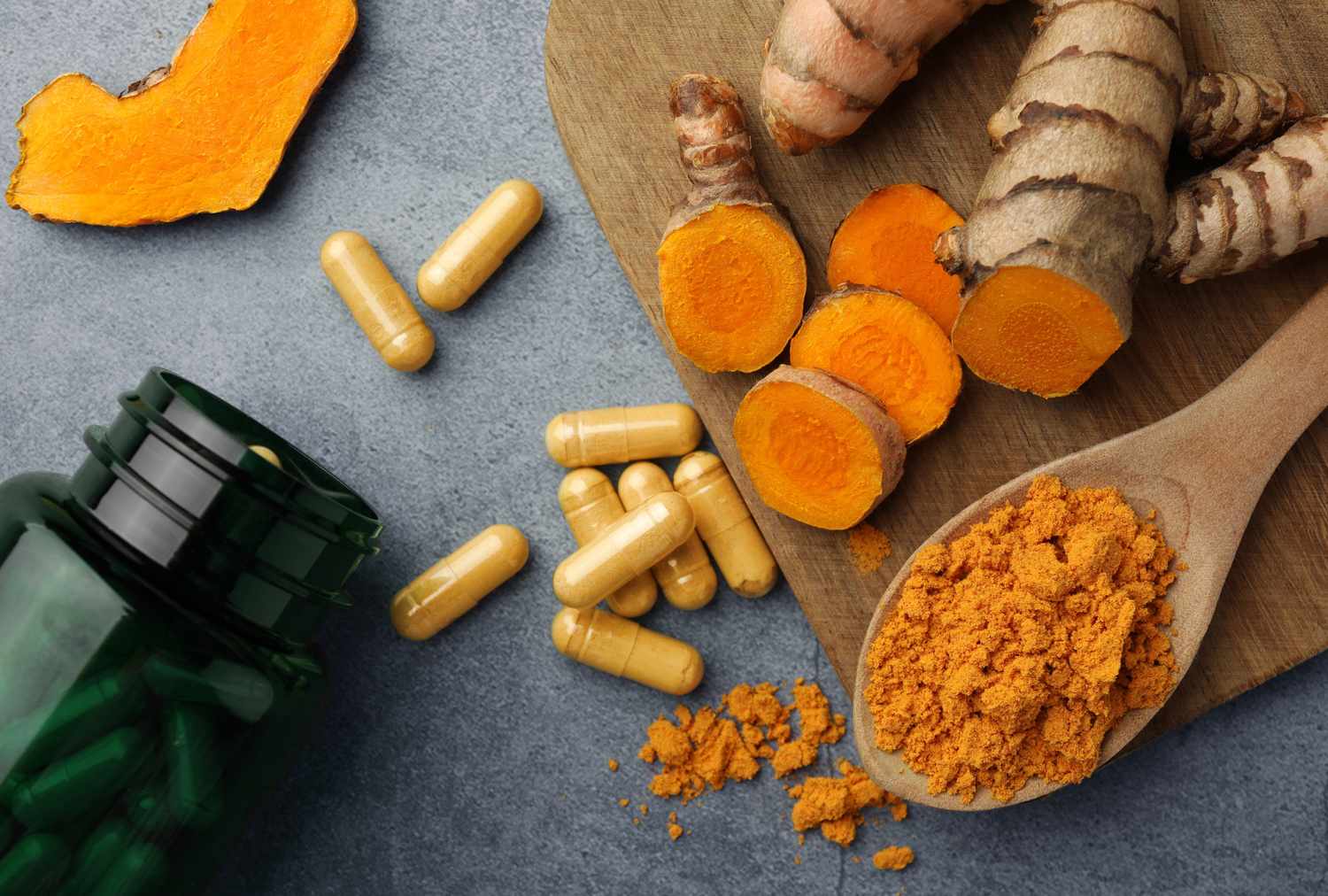
Turmeric is a golden-hued spice that delivers unique antioxidant and anti-inflammatory benefits, including helping mitigate pain, improve brain health, and support heart function. Curcumin, a natural compound found in turmeric, is thought to be responsible for many of the health benefits.
1. You May Benefit from Antioxidants
Oxidative stress can cause inflammation, which may lead to various health conditions
Studies suggest that turmeric and curcumin, with their antioxidant and anti-inflammatory effects, may help reduce oxidation and inflammation.
2. Your Arthritis Pain May Decrease
Research suggests curcumin’s anti-inflammatory effects may help control inflammation and reduce arthritis-related pain, swelling, and joint damage.
A 2021 research review found that curcumin relieved joint pain as well as nonsteroidal anti-inflammatory drugs (NSAIDs) in people with rheumatoid arthritis and osteoarthritis.
A study found that turmeric extract reduced inflammation and pain in knee osteoarthritis, lowering NSAID use and improving symptoms and function.
Further high-quality studies are needed to confirm these results.
3. Your Memory and Mood May Get a Boost
Curcumin has potential benefits for brain health and cognitive function.
Thanks to its antioxidant and anti-inflammatory properties, turmeric may help reduce the effects of free radicals, which are linked to memory issues, mood disorders, and age-related brain diseases like Alzheimer’s.
Clinical studies exploring curcumin found that it had the following brain benefits:
Further study is needed to confirm these results.
4. Your Heart Health May Be Supported
Heart disease is the leading cause of death in the United States. Healthy lifestyle habits like eating a balanced diet and regular exercise are key to heart health.
Curcumin may also support heart health and blood flow. Research suggests curcumin may help manage several heart disease risk factors, including the following:
Studies suggested that curcumin modestly reduced several metabolic and heart health risk factors:
- Body weight
- Blood sugar
- C-reactive protein
- Cholesterol
- Triglycerides
More studies are needed to confirm these results.
5. Your Blood Sugar Levels May Be Supported
Curcumin may help regulate blood sugar and support type 2 diabetes management. Studies show it improved insulin sensitivity, glucose metabolism, and cholesterol levels.
Curcumin also reduces inflammation and oxidative stress, key drivers of insulin resistance and metabolic syndrome.
While curcumin shows promise, managing type 2 diabetes still relies on:
- Eating more fiber, quality protein, and anti-inflammatory foods
- Increasing physical activity
- Reducing stress
For personalized guidance, consider consulting a registered dietitian nutritionist (RD or RDN) with certification in diabetes care (CDCES).
Additional Ways Turmeric and Curcumin May Work for You
Studies have investigated turmeric and curcumin’s effects on the following conditions, with variable effects:
- Skin health
- Autoimmune diseases (psoriasis, ulcerative colitis, rheumatoid arthritis, lupus, and others)
- Liver disease
- Endometriosis
- Sports performance
- Polycystic ovary syndrome (PCOS)
- Cancer therapy (breast, prostate, and colon)
While promising, more studies are needed before confirming turmeric or curcumin’s effectiveness for these conditions.
Turmeric Nutrition
| Nutrition in Dried Turmeric Powder, One Teaspoon (3 grams) | ||
|---|---|---|
| Nutrient | Amount | Percent Daily Value |
| Calories | 9 | |
| Protein | 0.3 g | |
| Fat | 0.1 g | |
| Carbohydrates | 2 g | |
| Fiber | 0.7 g | ~3% |
| Calcium | 5 mg | <1% |
| Iron | 1.7 mg | ~9% |
| Potassium | 63 mg | ~1% |
| Phosphorus | 9 mg | <1% |
| Magnesium | 6.24 mg | ~1.6% |
| Manganese | 0.6 mg | ~26% |
| Choline | 1.5 mg | <1% |
| Vitamin K | 0.4 mcg | <1% |
- In addition to curcumin, turmeric contains other components and antioxidants.
- Turmeric’s nutritional value can vary by form; fresh root and dried powder may differ.
A Word From Verywell
Turmeric is a root that gives an earthy flavor and a yellow color to dishes.
Turmeric can be used in dishes like curries and golden milk, grated over foods, steeped in tea, and in marinades. While it contains many healthy substances, culinary use of turmeric might not have quite as immediate an impact on pain compared to a turmeric-curcumin extract.
Curcumin is an antioxidant found in turmeric that gives turmeric its yellow color. Curcumin is used as a supplement and may help with arthritis, swelling, inflammation, and more.
:max_bytes(150000):strip_icc()/ElizabethBarnesRDN-2e7137c58e3b452895fefecdc4c550cd.jpg)
How Much Turmeric and Curcumin Should I Take?
Clinical studies have used 500 mg to 1.5 g of turmeric or turmeric extract daily for three to six months.
Clinical trials of curcumin have used 300 mg daily or higher (4,000–8,000 mg daily) for short-term use with reasonable tolerability and safety.
- However, follow your healthcare provider’s advice when using turmeric or curcumin, especially at high doses or with other medications.
- To avoid serious side effects, avoid exceeding the product’s recommended dosage.
Are Turmeric and Curcumin Safe for You?
Although the Food and Drug Administration (FDA) classified turmeric as “generally recognized as safe” (GRAS) as a food ingredient, consider the following safety issues when using either:
- Allergy: Avoid turmeric and curcumin if you’re allergic to them or any of their components (parts). Seek immediate medical attention if you have a severe allergic reaction (itching, hives, shortness of breath).
- Pregnancy and breastfeeding: Avoid taking high doses of turmeric and curcumin supplements during pregnancy and breastfeeding. Limited safety information exists regarding turmeric’s effects on the developing fetus and growing baby.
- Heavy metal toxicity: Reports of heavy metal contamination in turmeric (e.g., lead, arsenic, cadmium, nickel, and other heavy metals) also exist. Heavy metal contamination is of particular concern in pregnancy, breastfeeding, children, and people with kidney and liver conditions.
- Liver toxicity: Reports exist of liver toxicity after using turmeric supplements at high doses.
- Side effects: Turmeric and curcumin are generally well-tolerated, but some people may experience side effects such as nausea, diarrhea, headache, or yellow stool.
- Interactions: Turmeric and curcumin may interact with specific medications, including blood thinners, diabetes medications, blood pressure medications, cancer treatments, and antidepressants.
In the United States, the FDA does not regulate dietary supplements like prescription medications. As a result, some supplement products may not contain the ingredients listed on the label. When choosing a supplement, look for products independently tested or certified by organizations such as NSF, U.S. Pharmacopeia, or ConsumerLab.com.
Consult your healthcare provider, RD or RDN, or pharmacist for personalized guidance.
:max_bytes(150000):strip_icc()/Regina_greenttl_smth-f5166c3ec93e4dbdaf8ca5608db4c195.png)