

Your body manages bleeding through a delicate balance, which allows you to clot blood only when you need it, says Fadi Abu-Shahin, MD, a hematologist-oncologist at Houston Methodist Willowbrook Hospital in Texas. “Certain [cancers] can shift this equilibrium toward excessive clot formation,” Dr. Abu-Shahin says, and others can thin the blood.
“Tumors that grow in areas lined with delicate tissue, like the stomach, intestines, lung, uterus, vagina, or parts of the head and neck, can irritate or damage those surfaces,” says Sumana Veeravelli, MD, a medical oncologist and hematologist at City of Hope Cancer Center Gilbert in Gilbert, Arizona. “When that happens, bleeding may be one of the first signs that something isn’t quite right.”
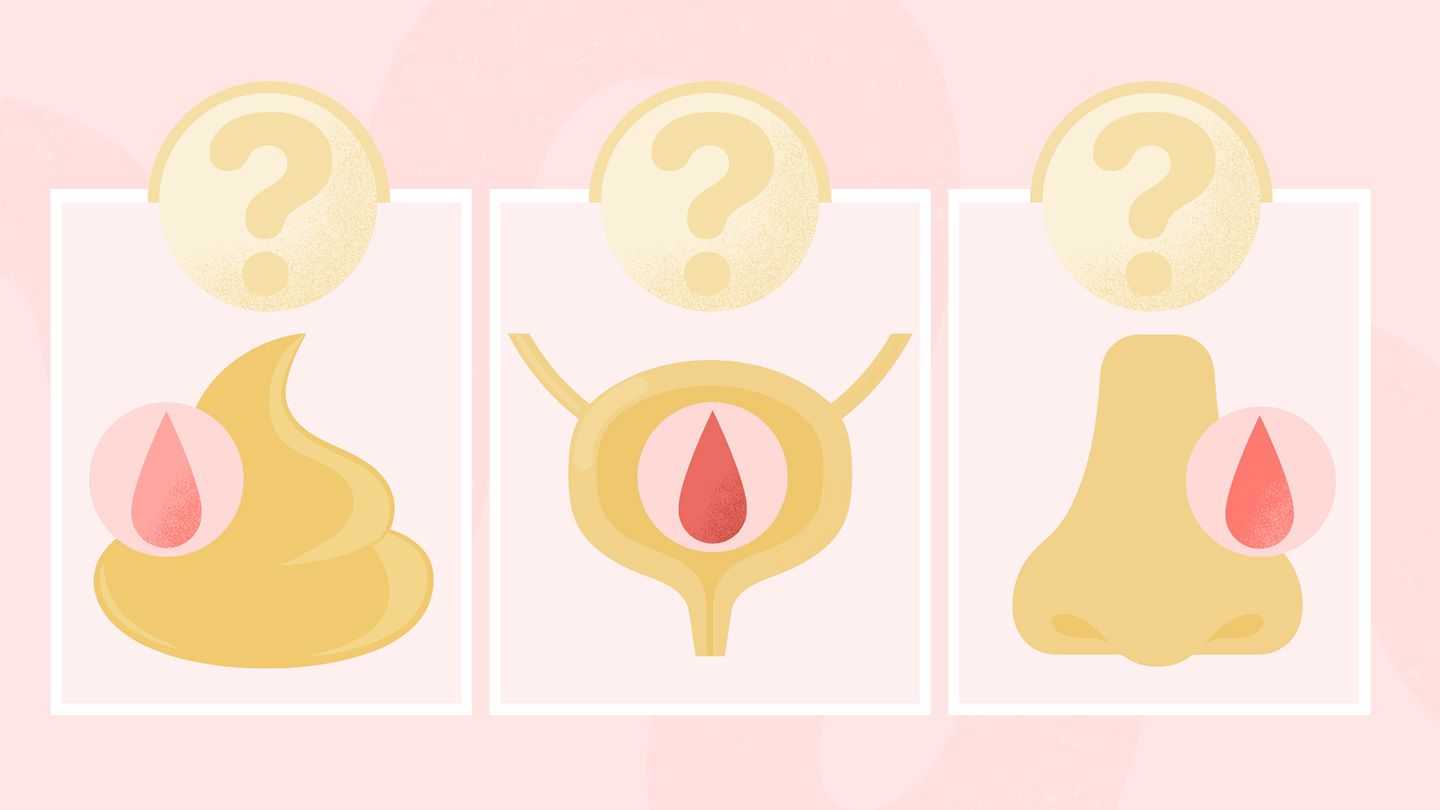
Learn the most common types of “weird” bleeding, the connection between abnormal bleeding and cancer, and when it’s time to call your healthcare provider.