

Key Takeaways
- Cramps after menopause can be a sign of conditions like fibroids, endometriosis, or GI issues.
- See a healthcare provider if you have heavy bleeding or cramps after menopause.
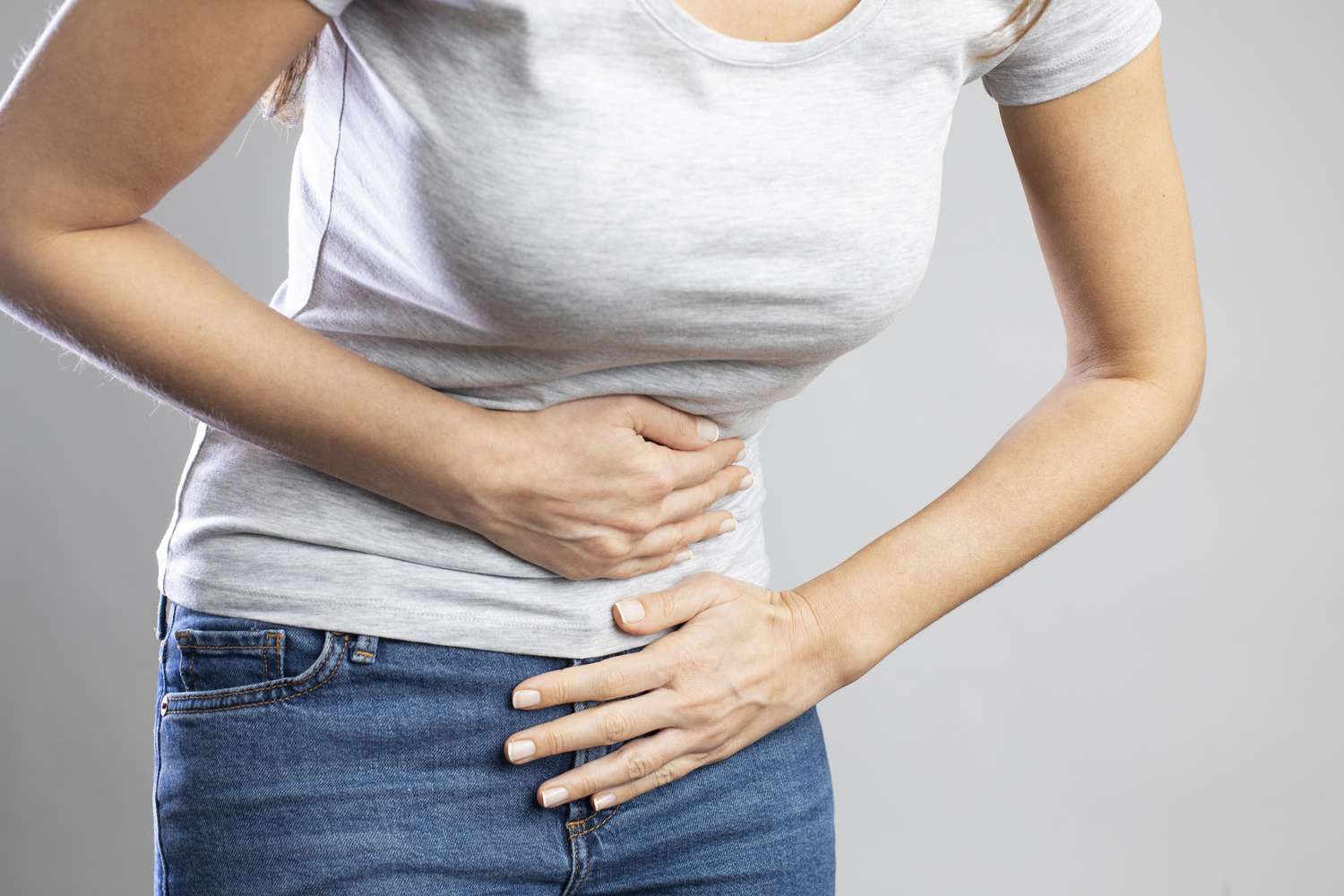
Abdominal cramps after menopause may feel like menstrual cramps, but they often have a different cause. While menstrual cramps typically occur because of contractions in the uterus, cramps after menopause could signify an underlying condition such as endometriosis, fibroids, or gastrointestinal issues.
This article discusses the various causes of perimenopause and menopause cramps and how they can be treated.
eternalcreative / Getty Images
What Causes Cramping After Menopause?
Cramps that occur after menopause are usually due to several treatable conditions.
Should you worry about bleeding and cramps after menopause?
If you are experiencing heavy bleeding and cramps after menopause, you should make an appointment with your healthcare provider immediately. Any sort of cramps or bleeding after you have made it through the transitional period is abnormal and should be investigated.
Fibroids
Fibroids are masses of tissue and muscle cells that grow within the uterus.
These growths are usually linked to higher estrogen levels, so they rarely develop after menopause. However, when they do occur post-menopause, they can cause symptoms similar to those experienced before menopause, such as cramping and abdominal pain.
Endometriosis
Endometriosis is a condition where the endometrium (the tissue lining the uterus) grows outside the uterus in areas such as the fallopian tubes, ovaries, and pelvic lining. This tissue still thickens and bleeds like it would in the uterus.
Previously, it was believed that endometriosis only affected those of childbearing age, but recent studies show that 2%-5% of people experience endometriosis after menopause. After menopause, it commonly occurs in those undergoing hormone replacement therapy to manage menopausal symptoms.
Symptoms of postmenopausal endometriosis can include:
- Pelvic pain
- Intestinal distress
- Ovarian cysts
New Case of Endometriosis After Menopause?
Typically, people who have endometriosis prior to menopause find symptom relief once they reach that stage. However, you do not have to have endometriosis prior to menopause for it to develop as a new condition after the transitional period.
Gastrointestinal Issues
Gastrointestinal issues include any sort of problems that affect the function of the gastrointestinal tract, which includes:
Abdominal pain and cramping are trademark symptoms of various gastrointestinal issues.
Estrogen can influence the way the GI tract functions, so when estrogen decreases during menopause, it can cause disruptions that lead to GI issues like cramping.
Menopause and GI Disorders
Studies have found that people with GI disorders, such as irritable bowel syndrome, often experience worsened and more severe symptoms following the transition into menopause due to the way in which female sex hormones affect the gut-brain connection.
Ovarian and Uterine Cancers
Ovarian and uterine cancers can cause pain or cramping in the pelvic or abdominal areas. The risk of these cancers increases as you age.
People may not notice symptoms until after the cancer has spread. Some symptoms of ovarian or uterine cancer include:
- Vaginal bleeding
- Bloating
- Feeling full quickly
- A need to urinate frequently or urgently
Ovarian Cysts After Menopause
A cyst that develops after menopause can be a cause for concern. This is because cysts tend to form during ovulation and, after menopause, you don’t ovulate. On rarer occasions, cysts have the potential to turn into cancer.
Risk Factors for Cramps After Menopause
There are some factors that may put you at increased risk of developing a condition that causes cramps after menopause. They include:
- A family history of these conditions
- Being obese or overweight
- Having high blood pressure
- Starting your period before age 11
- Having heavy periods
- Not exercising
- Experiencing stress
- Being older than 50
- Taking hormone therapy
How Are Cramps After Menopause Diagnosed?
Your healthcare provider will examine you, review your medical history, and ask you questions about your symptoms. If they suspect an underlying issue is causing your cramps, they may suggest one of several imaging techniques. They include:
- MRI
- Ultrasound
- Laparoscopy, which involves a tube with a light and camera inserted in the abdomen
Your healthcare provider may also take a biopsy, which involves them scraping off tissue cells to send to a laboratory for analysis.
Treating Cramps After Menopause
Treating postmenopausal cramps depends on what’s causing them. In general, the following treatment might be recommended:
- Medication: Hormone medications can be used to treat fibroids or endometriosis and other medications can be used for gastrointestinal issues
- Hysterectomy: In some cases, a hysterectomy may be required. A hysterectomy is a surgery in which the uterus is removed..
- Hormone therapy: Hormonal medications like progesterone can be used to manage endometriosis, fibroids, and other conditions.
For uterine or ovarian cancer, your healthcare provider may recommend surgery, radiation, chemotherapy, or a mix of these treatments.
Birth Control After Menopause for Fibroids
In some cases, birth control pills may be prescribed to help ease symptoms because of how they manage hormones. However, they do not work to address the fibroids directly.
Home Remedies
You can take steps at home to reduce pain and cramping. Some strategies include:
- Taking over-the-counter non-steroidal anti-inflammatory drugs (NSAIDs) such as ibuprofen and aspirin
- Applying a heating pad to the painful area
- Giving yourself a pelvic massage
- Getting plenty of rest
- Minimizing stress
- Eating a diet rich in fruits and vegetables while cutting your intake of sugar, dairy, red meat, and alcohol
When to See a Healthcare Provider
Any abdominal pain after menopause that isn’t associated with a known condition or continues for at least seven days should be investigated by your healthcare provider. While not all abdominal pain or cramping is cause for concern, there could be a condition driving it that requires treatment.
:max_bytes(150000):strip_icc()/VerywellBioPicAngelicaBottaro-203f7e803ab444b2b5c13b4252d11159.JPG)