5. Don’t Go Barefoot People with diabetes should avoid walking around barefoot.e60dc2a1-f33c-4a05-9b50-8e3e8e5976294c9faca5-cbfa-4ea5-a366-565fad156d31 They’re prone to peripheral neuropathy , nerve damage around the body, that can make it harder to notice when you step on something that could cause harm to your feet.e60dc2a1-f33c-4a05-9b50-8e3e8e597629de17e5c1-dcb3-42e6-8833-ada61dffe91a “With neuropathy, if you step on something sharp, you could certainly create a problem and just not know it, setting yourself up for a bigger problem down the line,” says Downey. “So protective shoe gear is always recommended.” Appropriate socks also help you keep your feet clean thereby decreasing your risk of infection.e60dc2a1-f33c-4a05-9b50-8e3e8e5976294c9faca5-cbfa-4ea5-a366-565fad156d31e60dc2a1-f33c-4a05-9b50-8e3e8e59762989ea69f3-2892-4c07-9d7a-ce314b644dc7 “Bacteria is the typical cause of diabetic foot infections,” says Myers. “Wearing socks and closed-toe shoes can prevent bacteria from [causing trouble].”
3. Check Your Shoes Before You Put Them On Pause for a moment to check for pebbles or any sharp debris in your shoes before you slide your feet inside.e60dc2a1-f33c-4a05-9b50-8e3e8e59762940f74fc1-aaaf-4b95-ae56-b4a86d706b8c People with neuropathy don’t always notice little objects under their feet, even when they’re digging into the skin, which could potentially cause harm. Rough areas on shoes that rub or create friction can be a source of skin irritation as well.e60dc2a1-f33c-4a05-9b50-8e3e8e597629b235f072-70ec-43f7-86ad-db246e5ebb4a It’s important to select appropriate footwear in the first place.e60dc2a1-f33c-4a05-9b50-8e3e8e59762934373f64-ed52-4461-9dd5-b8f19ffeebad “Avoid open-toe shoes, as the feet are prone to developing wounds,” says Myers. “Also avoid tight-fitting shoes. Both issues can be ameliorated by seeing a pedorthist who can properly size you,” she says. “If the shoe is too narrow or too shallow, it can certainly cause friction, which can lead to a wound,” says Downey. Choose shoes made of breathable materials to prevent moisture buildup, and avoid damp skin to decrease your risk of fungal infections .e60dc2a1-f33c-4a05-9b50-8e3e8e5976299f5890a3-434b-41a7-afde-b130692d91c7e60dc2a1-f33c-4a05-9b50-8e3e8e5976291d9efe72-391d-42bc-86ec-b0dee9e7bb9e
Resources We Trust Mayo Clinic: Diabetes: 4 Steps to Put Your Best Foot ForwardAmerican Diabetes Association: Diabetes Foot Care TipsCleveland Clinic: Diabetes-Related Foot ConditionsMedlinePlus: Diabetes — Taking Care of Your FeetCenters for Disease Control and Prevention: Your Feet and Diabetes
8. Follow a Healthy Lifestyle and Control Blood Sugar Finally, it’s important to look at the broader picture instead of focusing exclusively on foot care. “Work with a primary care provider to closely monitor [your] blood sugar levels and lead a healthy lifestyle,” says Downey. The nerve and circulation issues that often lead to diabetic foot problems are ultimately caused by high blood sugar levels. The best way to address the root cause of most issues with your feet is by carefully managing your diabetes and hitting your A1C goal . Blood sugar management can also delay nerve damage and blood flow problems.e60dc2a1-f33c-4a05-9b50-8e3e8e597629bf269254-8ad4-4dea-bb86-27766332fa97 Myers encourages people with diabetes to not only maintain good glycemic control, but also speak with their healthcare provider about screenings for peripheral arterial disease and neuropathy. Tackling other areas of your health like exercise and blood pressure and cholesterol management can decrease your risk for foot ulcers, as well as support healthy blood flow.e60dc2a1-f33c-4a05-9b50-8e3e8e5976294a864171-200e-42a0-8025-3285e769a755e60dc2a1-f33c-4a05-9b50-8e3e8e5976292becb4d2-fad7-47c7-9b43-5b5e159687a3
6. Moisturize Dry Spots Regular moisturization of the feet can be particularly helpful for people with diabetes. “With altered circulation, [people with diabetes] can be even more prone to dryness , and dry skin can bring more tendency for callusing and for fissures or cracks in the skin, which can lead to breakdown,” says Downey. Additionally, scratching dry skin could increase infection risk.e60dc2a1-f33c-4a05-9b50-8e3e8e597629d7246af3-6258-407c-b692-92807290a140 Moisturizing your feet can be a daily practice after you clean and dry them.e60dc2a1-f33c-4a05-9b50-8e3e8e59762938e9f8b4-2d69-45af-b951-f3dfe8e46016 “Put a thick cream or Vaseline on the tops and bottoms of the feet,” says Myers. Avoid putting moisturizers between the toes.e60dc2a1-f33c-4a05-9b50-8e3e8e597629520f6209-b07c-4dce-a996-33e797039937 “Wet skin between the toes can attract fungus,” she says.
The Takeaway Perform daily foot checks for cracks, blisters, or nail changes, and wash your feet with warm soapy water, ensuring they are dried thoroughly — especially between the toes — to prevent fungal growth. To prevent injury and irritation, avoid walking barefoot, wear properly fitted closed-toe shoes made of breathable materials, and always check the insides of your shoes for debris before putting them on. Keep toenails trimmed straight across to avoid ingrown nails, and use moisturizer on dry areas to prevent skin fissures (though you should avoid applying lotion between the toes where moisture can trap bacteria). Have any wounds or sores treated by a medical professional immediately rather than treating them yourself, and maintain a healthy lifestyle to manage the blood sugar levels that cause these complications.
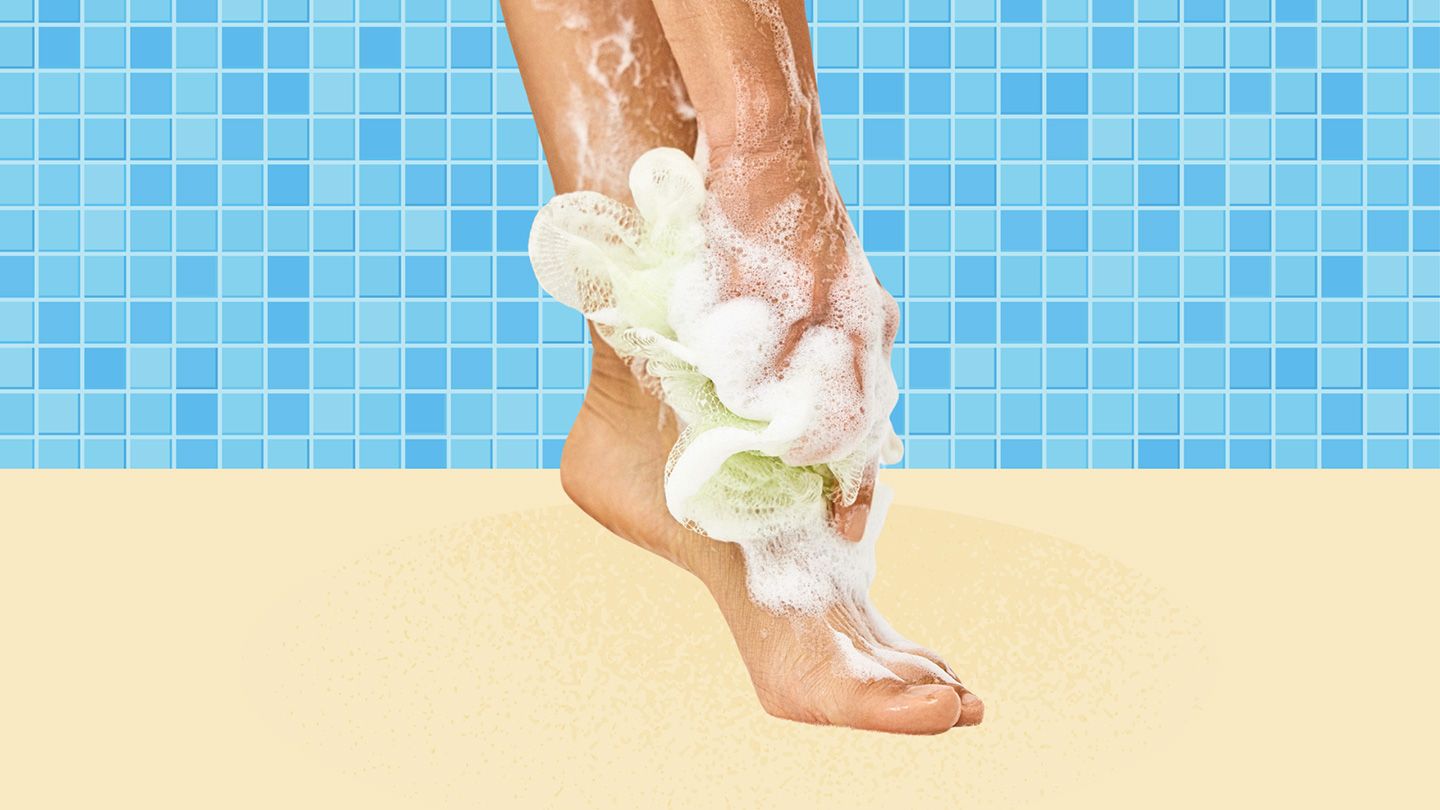
4. Wash Your Feet and Dry Them Well Not keeping your feet clean can increase your risk for infection, too.e60dc2a1-f33c-4a05-9b50-8e3e8e5976290af71e01-5521-4a34-a3b5-3e11869cdc3b “Regular bathing or showering, including cleaning and inspecting between the toes, is very beneficial,” says Downey. Cleaning your feet should be a daily practice. Use warm soapy water, and after washing, make sure to dry your feet thoroughly, especially between your toes.e60dc2a1-f33c-4a05-9b50-8e3e8e59762932523722-6558-4efe-929c-f469965b5abae60dc2a1-f33c-4a05-9b50-8e3e8e597629594baa38-ea1d-41bb-b789-10e57b728dcb “If moisture gets trapped in between the toes and socks or shoes are applied right away, that skin can be more prone to breakdown and infection,” says Downey. “So either thoroughly drying the feet or letting them air dry for a bit before putting on socks and shoes is important.”
2. Keep Your Toenails Trim “Toenails can certainly be a source of trouble and, in some cases, infection,” says Dr. Downey. When it comes to toenail care, Dr. Myers recommends using the guidelines set forth by the American Podiatric Medical Association.e60dc2a1-f33c-4a05-9b50-8e3e8e59762998b832d3-fa77-439f-9bc8-70e78f0863e3 “They recommend using a straight-edge nail clipper and cutting straight across,” she says. Cutting straight across can help prevent ingrown toenails.e60dc2a1-f33c-4a05-9b50-8e3e8e59762917df52eb-7744-44c3-89ca-bba82221fc1e Keeping toenails short can also decrease the chances of bacteria or dirt building up beneath them, which is important for people with diabetes, as they can be at higher risk for skin infections.e60dc2a1-f33c-4a05-9b50-8e3e8e597629795ab713-8c1c-4ac7-8aa2-a02c2cededf5e60dc2a1-f33c-4a05-9b50-8e3e8e597629ac29ba8e-8c92-46e1-b9ba-6725e4a458a5 Downey says some people who don’t have neuropathy or other issues with their feet may be able to care for their toenails themselves. Otherwise, toenail trimming can require professional help.e60dc2a1-f33c-4a05-9b50-8e3e8e597629e6ab0e8b-6f31-46e9-8a65-47f4cc0cb1c5 He recommends seeking assistance from a family member or a local foot-care nurse.
If you have diabetes , it’s essential that you pay special attention to the health of your feet. Diabetes can increase your risk of foot problems because high blood sugar can contribute to nerve damage and circulation issues, both of which hit your extremities first .e60dc2a1-f33c-4a05-9b50-8e3e8e59762958c56afb-d642-4322-95aa-7b6664767d79e60dc2a1-f33c-4a05-9b50-8e3e8e597629efac0dd1-2e86-48a6-957f-1a9b5f78aa2fe60dc2a1-f33c-4a05-9b50-8e3e8e597629f7b4a465-c767-49c7-9ab6-5a65cd8df571 Infections and ulcers are common, and in the most dire cases, these problems can even lead to amputations.e60dc2a1-f33c-4a05-9b50-8e3e8e597629cd87611a-e744-4988-a3f7-f1287cee96cd Good diabetes foot care starts at home, and it takes only a few simple habits to identify foot problems before they grow serious, or to stop them from developing in the first place.
1. Check Your Feet Daily When you have diabetes, checking your feet every day can help you notice any problems as they arise and take action before they worsen.e60dc2a1-f33c-4a05-9b50-8e3e8e597629fd8ec5c5-04af-4d5b-8cf9-44d12f071ff0 Alyson K. Myers, MD , a professor of endocrinology at Albert Einstein College of Medicine in Bronx, New York, says people with diabetes should be looking for skin cracks, changes in their nails (such as discoloration or ingrown nails), and wounds like blisters or corns. If it’s not easy for you to examine the bottoms of your feet independently, enlist the help of a loved one or caregiver. “If [you’re] unable to do it [yourself], then it’s best to have a family member assist,” says Ryan Downey, DPM , the chief of podiatry at Kaiser Permanente Northwest in Salem, Oregon. “Using a mirror or smartphone camera to get a look at the bottom [of your feet] is also a good idea.”
7. Get Blisters and Sore Spots Treated Professionally When foot wounds do occur, promptly seek medical assistance, telling your doctor about any foot problems you notice.e60dc2a1-f33c-4a05-9b50-8e3e8e59762942fd48fe-5a44-40bb-b64f-874dc9ba4abe “Ideally, any change or problem should trigger an appointment for professional evaluation, whether that’s in person or a photo sent in for virtual evaluation,” says Downey. “Any wound on the foot should be managed by a medical practitioner, not the patient,” says Myers. “The majority of the toe, foot, or leg amputations that I have seen are due to patients trying to manage them on their own or waiting for days before seeking care.” It’s also good practice to have a doctor check your feet at least once a year.e60dc2a1-f33c-4a05-9b50-8e3e8e597629f61c5992-c48d-4c1f-9614-55fec2446510
Diabetes Foot Care: 8 Habits to Keep Your Feet Healthy