

While exercise is known to improve memory, scientists have mostly studied this effect by using behavioral tests or brain imaging methods like MRIs, says Michelle Voss, PhD, one of the study’s authors, a professor, and the director of the Health, Brain, and Cognitive Lab at the University of Iowa in Iowa City.
But she says these approaches can’t precisely identify where “ripples” originate, particularly in the deep brain structures like the hippocampus, a part of the brain strongly connected to memory and learning, she says.
The current study, published in Brain Communications, recorded electrical activity directly, using surgically implanted (intracranial) electrodes. “This allowed us to observe how exercise changes the brain’s memory circuits in real time,” Dr. Voss says.
20-Minute Bursts of Exercise Increase Brain Ripples
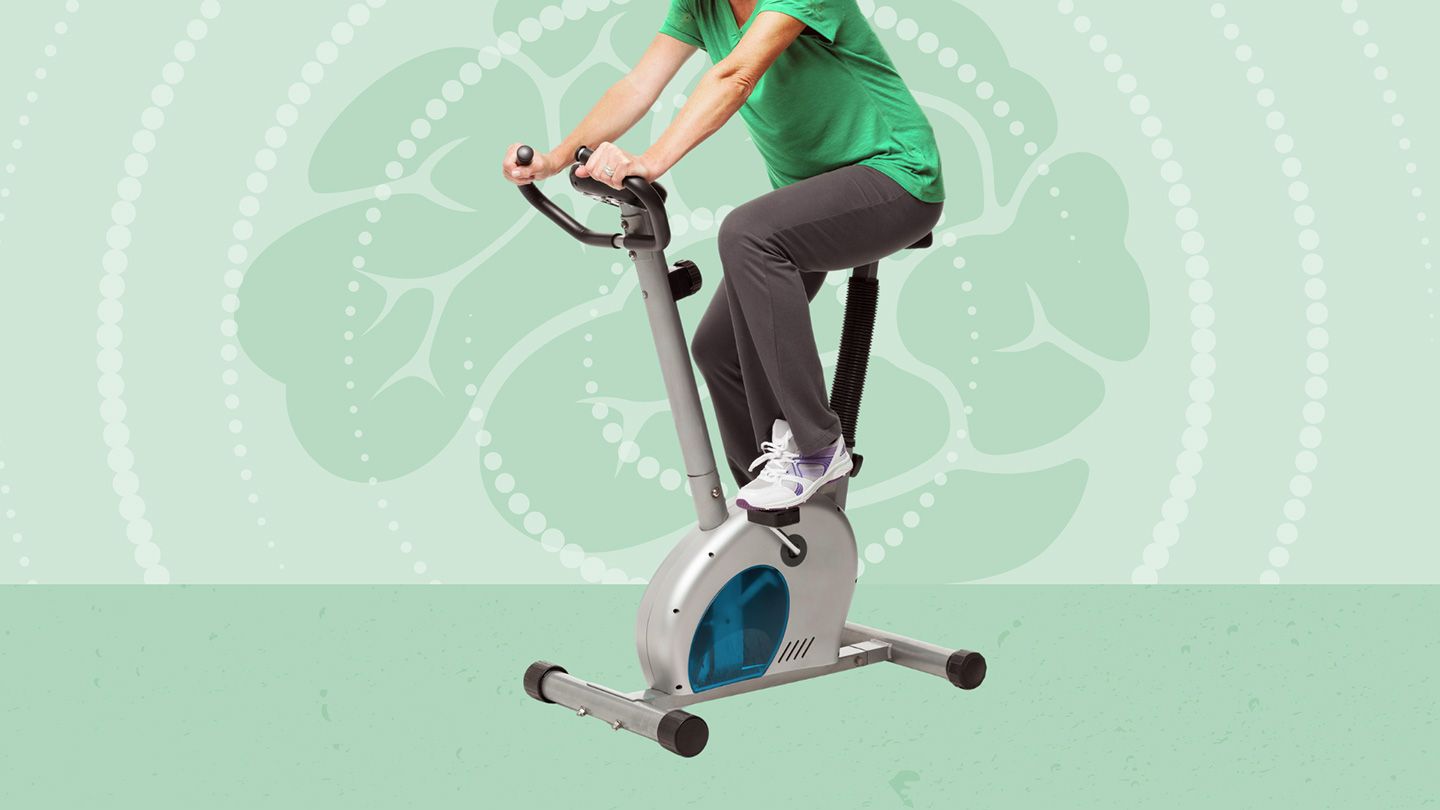
The participants performed a 5-minute warm-up and then rode a stationary bike for 20 minutes at a pace they could maintain. Researchers recorded their brain activity before and after the biking session.
The electrodes showed an increased rate of so-called sharp-wave ripples from the hippocampus and connections with cortical regions of the brain, which are involved in learning and memory.
“Sharp-wave ripples have long been known from animal studies to play a central role in memory,” Voss says, adding that recent studies using intracranial recordings in humans also support the importance of ripples for human memory.
“Our findings are the first to show that exercise can modulate these ripple signals in the human brain,” she says.
Researchers also observed that larger increases in heart rate during exercise were associated with larger changes in ripple activity in cortical networks, Voss adds.
What’s Already Known About Exercise, Memory, and Learning
Exercise helps build connections between neurons, which deepens and strengthens brain networks, Franssen says.
Physical activity also improves metabolism, which improves insulin sensitivity, helping blood sugar regulation and giving the brain a “more stable and reliable supply of fuel,” Dr. Perlmutter says.
“This is critically important because the brain is an energy-intensive organ, consuming roughly 20 percent of the body’s energy despite representing only a small fraction of body weight,” he adds.
The Research Has Limitations
Voss says researchers were careful to “exclude signals that contained epileptic activity. However, of course, we can’t statistically control for the accumulated effects of having epilepsy on the brain.”
The exercise-brain ripple patterns observed in the current study also closely match those observed in healthy adults using noninvasive brain imaging, such as MRI, she added.
“That convergence across very different methods is one of the strongest indicators that the effects are not specific to epilepsy, but reflect a more general human brain response to exercise,” Voss said.
Researchers also didn’t directly test memory performance, Voss notes. “While hippocampal ripples are strongly linked to memory processing in decades of neuroscience research, the next step will be to measure how exercise-related changes in ripples relate to memory performance in the same individuals.”
Future studies should also compare exercise with other everyday activities, such as sitting quietly or light movement, to determine how specific these effects are to aerobic exercise at the intensity that was studied, she says.
Satisfy Your Brain’s Exercise Craving
It’s never too early or too late to start exercising for brain health, Franssen says.
People of any age, from grade-school children to people in their nineties, can benefit from increased physical activity, Perlmutter says. “My recommendation is to consider taking advantage of the connection between physical activity and brain health across the entire range of human aging.”
Any type of exercise is great, Franssen says, but especially “repetitive behaviors,” like swimming, jogging, and walking.
“Sometimes we let the hugeness of putting in a huge fitness routine get in our way,” she says. “Having a little exercise snack every so often is also very important to improving cognition.”